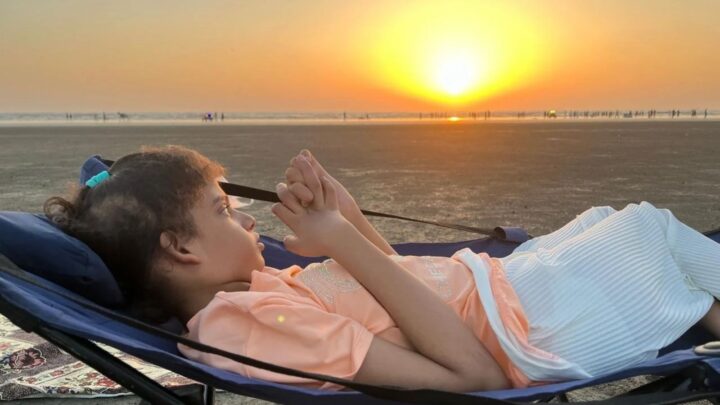
For the Rehman family in Pakistan, disability is not just part of one person’s story but a journey that has shaped an entire family. At the centre of that journey is 17-year-old Musfirah, who lives with cerebral palsy, autism, and a seizure disorder. Over the years, the way of life for this family has been all about surviving through medical problems, fighting for their rights, dealing with uncertainties, and celebrating achievements that other people take for granted.
The father of Musfirah, Abdul Rehman, was a software engineer who had spent many years looking for answers after he found out that his daughter had been through complications in her birth. The mother of Musfirah, Rafia Rehman, devoted her life entirely to her daughter in order to get to know her better and understand her needs. The elder brother, Haziq, decided to quit his studies at university in order to help his parents and sister. Meanwhile, younger brother Ismail grew up learning responsibility, empathy, and maturity far beyond his years.
Also Read: Autistic Teen Solves 1,000-Piece Puzzles in Minutes: How Rishaan Found His Happy Place
In order to learn more about this incredible story, we interviewed all members of the Rehman family – from the father and the mother to the two siblings – about the lessons, challenges, sacrifices, and hopes that accompany the raising of their daughter Musfirah.
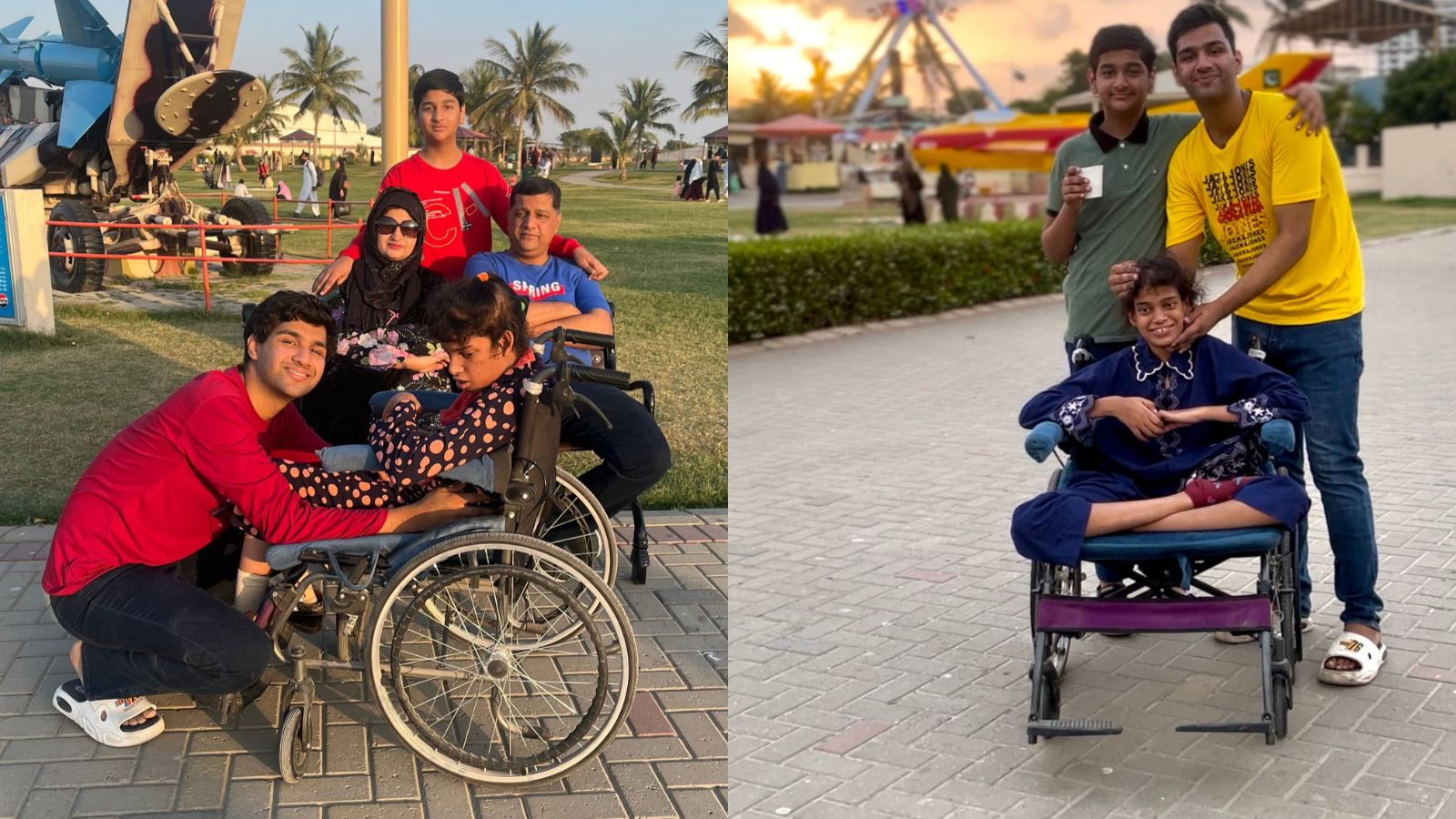
In this interview for All About Inclusive, the Rehman family talks about their views on disability, inclusion, acceptance, parenting, and the importance of staying united as a family while raising a daughter with cerebral palsy, autism, and seizures in Pakistan.
Question: When Musfirah was first diagnosed with cerebral palsy, autism, and a seizure disorder, what were your biggest fears and questions as a father?
Father: My biggest frustration is that we were not told that Musfirah suffered Hypoxic Injury and Head Trauma during Birth. We were told she was healthy, and it was only a few days later that we discovered her head was bleeding. The doctor later told us he did not want to disappoint us by revealing her condition. After six months, I began noticing delays in her developmental milestones. At that time, I knew very little about cerebral palsy and seizure disorder, and the challenge associated with these conditions.
Also Read: An Ailing Wife, An Autistic Son And A Father’s Fight To Hold His Family Together.
We faced overprescribed meds, and schools kept on rejecting Musfirah. We started learning as much as possible to help her. I worried if she would ever be able to live more comfortably.
At age 14, Her Autism diagnosis provided more insights about her personality. I came to understand that CP, or Autism does not have a cure, but with the right care, support, we could work to improve her quality of life. I relied on faith and that this is very special journey. From that point onward, our focus became giving Musfirah all the love and support we could.
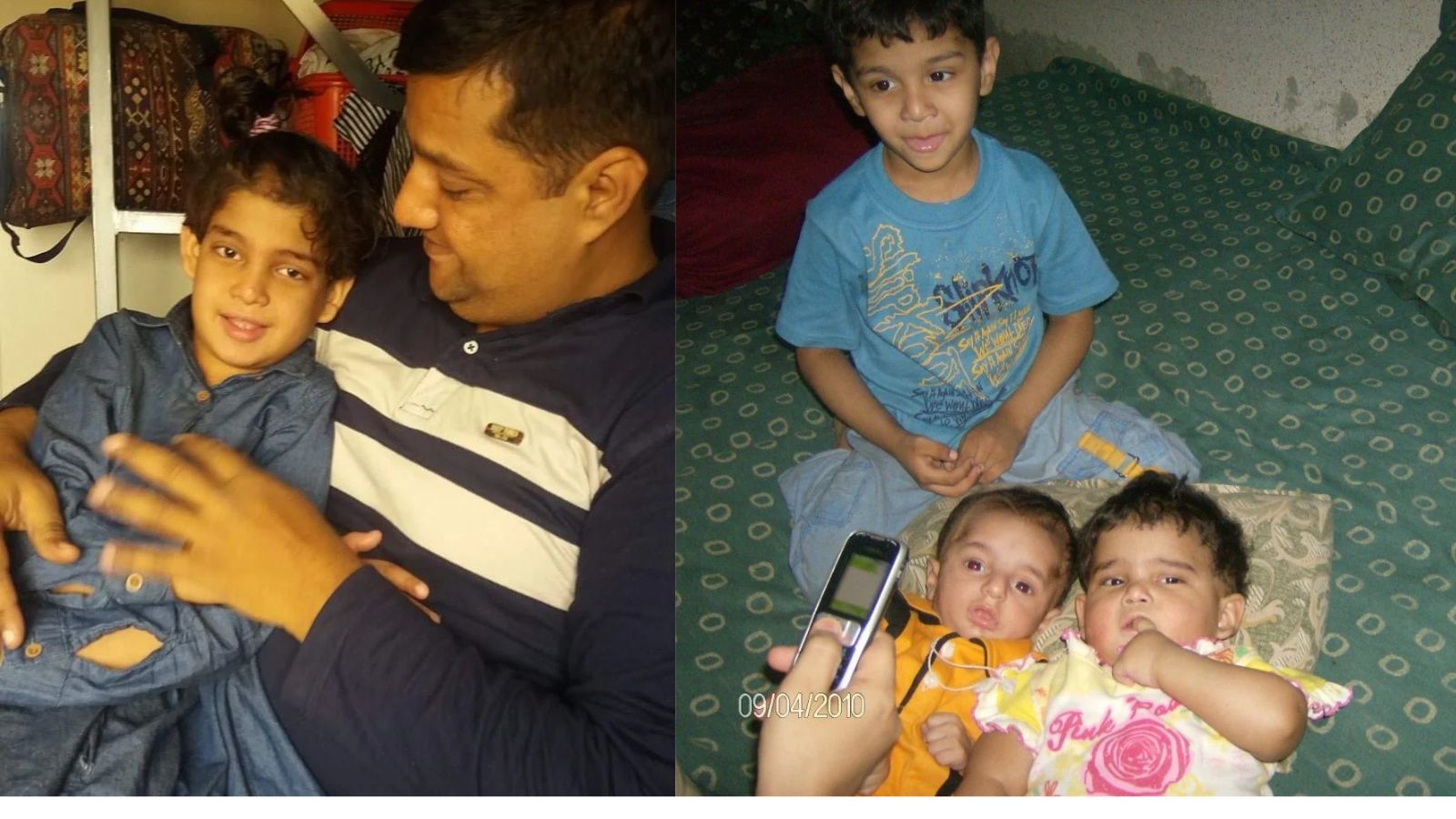
Question: Looking back over the past 17 years, what has Musfirah taught you about strength, patience, and success that you never expected to learn?
Father: Musfirah has taught me that life does not always have to move quickly. Sometimes, you must slow down and take things one day at a time. I have spent years trying to find the right care for her, often without clear answers from the medical system. Over these 17 years, I have learned that strength is not always about overcoming difficulties; sometimes, it is about continuing to stand strong for someone you love, even when the journey is painful, even when results feel slow.
Also Read: Faith Over Fear: Dubai-Mother Dr Nazima Saiyed on Raising Her Non-Speaking Autistic Son
Question: Mothers are often the primary caregivers. What have been the biggest challenges and the most rewarding moments in raising Musfirah?
Mother: I wanted Musfirah to turn into a highly independent person. Before Musfirah was born, I could hardly manage my daily responsibilities if I did not get eight hours of sleep. But over the years, as Musfirah has frequently stayed awake throughout the night, I have learned to manage even with very little sleep. I used to worry about what people would think about my daughter. Musfirah is very different than other autistic kids, but being able to care for her and understand her in ways that other people may not, to feed her, change her clothes, are the most rewarding experiences of raising Musfirah. That she is mine to take care of.
Also Read: Teaching Neurodivergent Girls About Periods: Senior Doctor Shares Proven Tools and Tips
Question: How has society’s attitude toward children with disabilities changed since Musfirah was born? Do you feel Pakistan is becoming more accepting and inclusive?
Mother: In Public Places, We still see people looking at Musfirah with pity rather than trying to understand her. I do not think society has become as accepting as people sometimes suggest. Thankfully, social media now gives families access to experiences that were much harder to find when Musfirah was born. But this awareness often reaches people who are already educated or actively seeking information.
Many families still encounter superstition, exclusion, and a lack of basic support. When food, healthcare, education are already difficult to obtain, disability can become an additional struggle for an entire family. Awareness campaigns are important, but awareness alone is not inclusion without improving social systems.
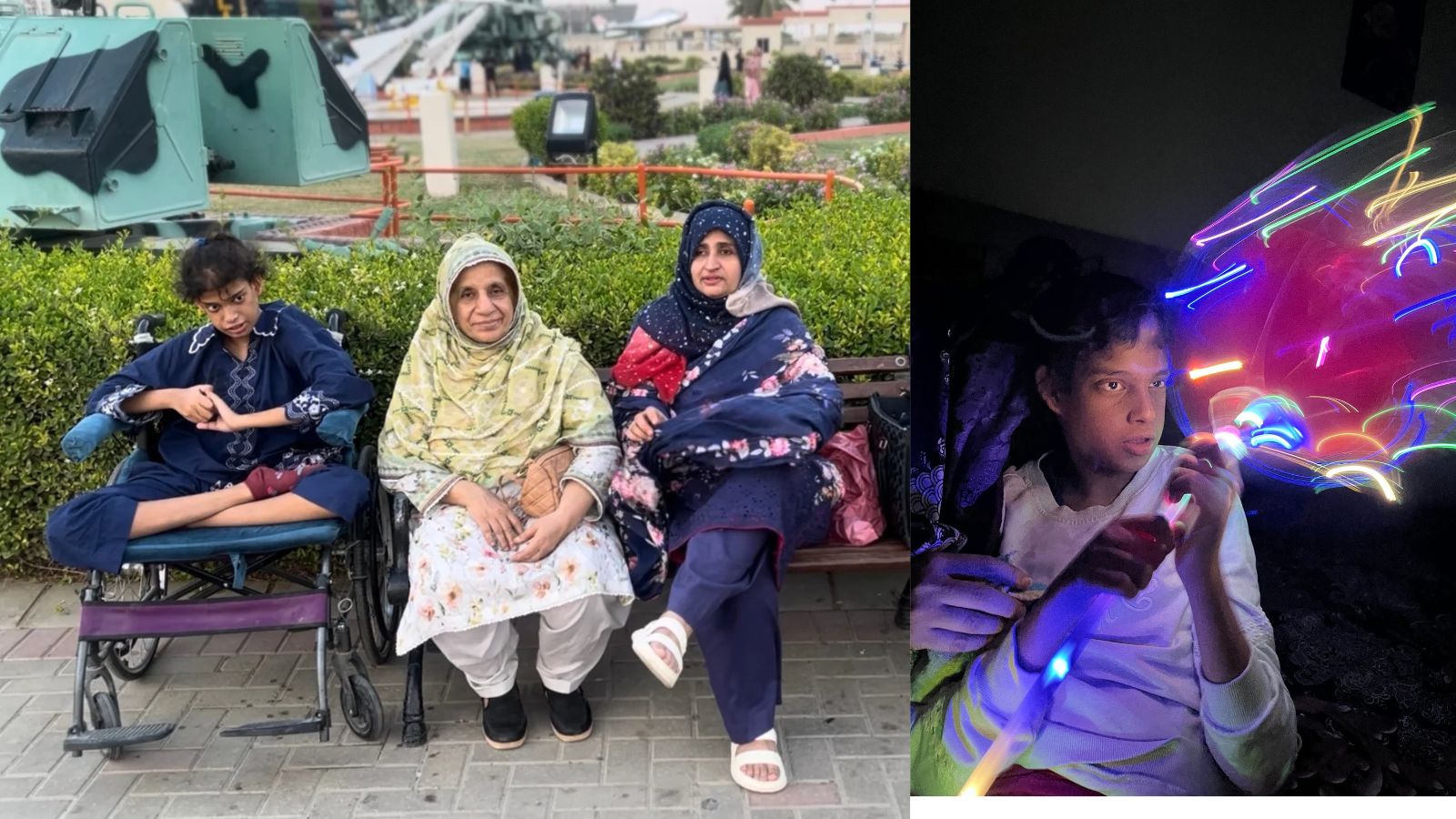
Question: You made the difficult decision to leave university to support your sister. What led to that choice, and how has caring for Musfirah shaped who you are today?
Elder Brother: I was 10 when my father bought me first telescope. Passionate about space I enrolled for my Bachelors in Artificial Intelligence but around the same time, Musfirah’s surgery aIso took place. I saw my father leave work to come home and comfort Musfirah. I saw my mother, exhausted and sleep-deprived, still continuing to care for her. Musfirah was deeply attached to me, so I decided to leave my university and support my family better.
Caring for her showed me that there is no guarantee what happens in your life. This is why life never stops. You can always strive for a better future even if it takes 10 more years to achieve.
Question: As a sibling, what milestone or achievement by Musfirah made you feel especially proud and emotional?
Elder Brother: For more than 17 years, Musfirah has never been able to travel in a boat. She used to cling to the seat throughout the whole ride. This time we just had her sit in a wheelchair inside the boat. For the first time, in 17 years, she was able to laugh the whole ride. This proves that people with special needs do not need sympathy. They just need someone to understand what they need.
Also Read: The Mother I Became After My Child’s Autism Diagnosis
But one thing that makes me particularly emotional is her saying the word “Baba.” It is the only word she has ever learned to say.
Question: Growing up with Musfirah as your sister, what are some things she has taught you about kindness, friendship, and understanding people who are different?
Younger Brother: I am 11 and growing up, I sometimes felt ignored because Musfirah needed so much of our family’s attention. While my classmates played and had fun with their siblings, I often found myself helping care for mine. Over time, I realised it was not Musfirah’s fault. She was going through a lot herself. Even though she cannot speak, I have learned to understand her in my own way. I feel more mature than people of my age. I have also learned how to take care of myself.
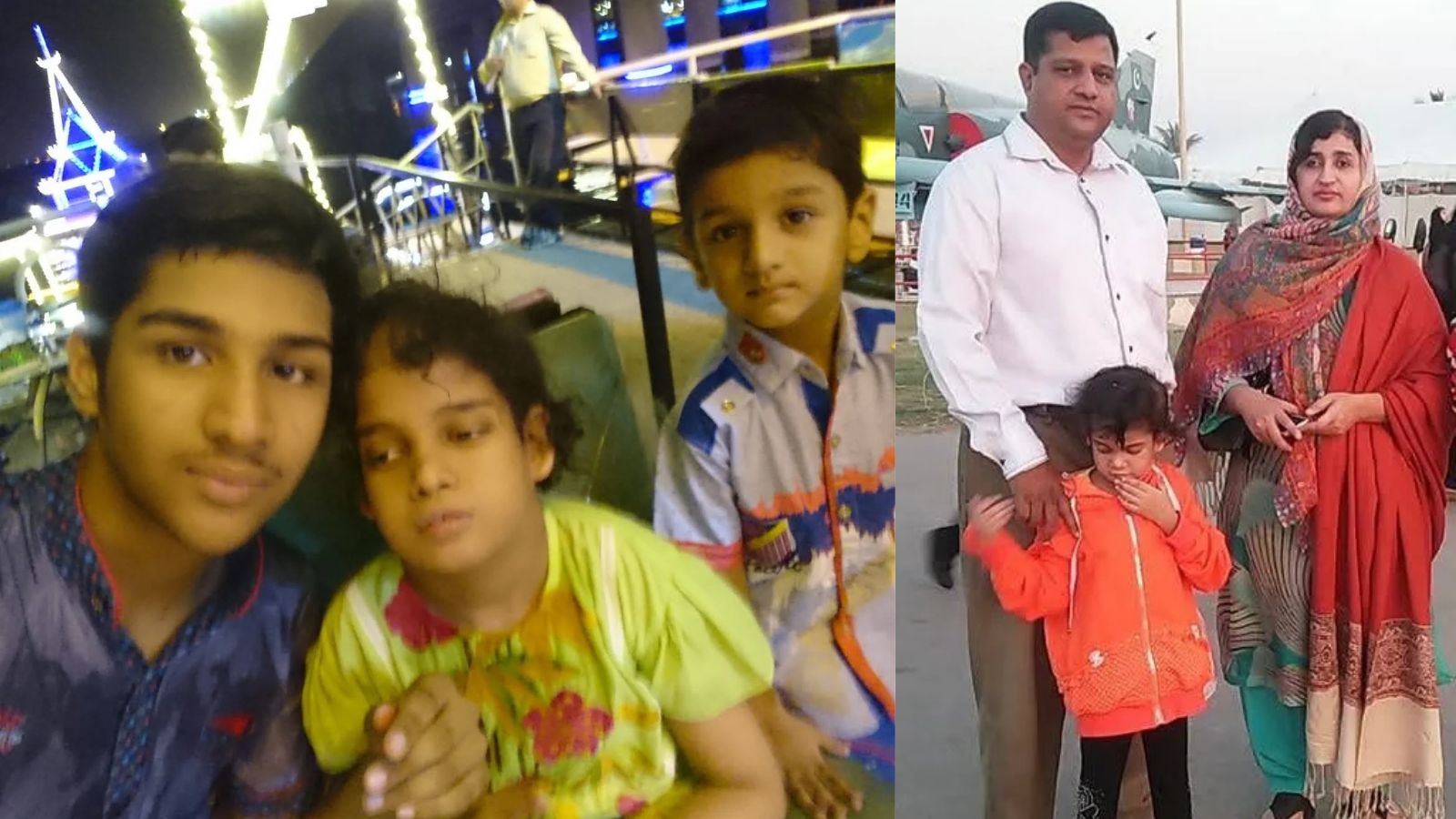
Question) What message would you like to share with families in Pakistan who may be at the beginning of a similar path?
Entire Family: Before doing anything take care of yourself. When Musfirah was born, we had limited access to information. Today, families can learn from disability advocates and parents worldwide. Let go of expectations and take time to understand your child. Autism has endless possibilities: a child may become highly independent or need full-time support.
You do not have to understand everything immediately. Ask questions and seek another opinion when something does not make sense. Doctors have medical expertise, but you know your child through everyday life. Finally, inclusion must continue into adulthood. Autistic and disabled people deserve to be heard, respected, and supported throughout their lives.
Question) If you could change one thing about disability awareness in Pakistan, what would it be?
Elder brother: I would change the way society understands disability and the people who live with it. Exploitative begging networks, including cases involving children with disabilities, have contributed to harmful public perceptions. People may begin to associate disability only with helplessness, pity, or dependence, rather than recognising disabled people as individuals with their own experiences, preferences, and rights.
We need to distinguish genuine support from exploitation and build systems that protect disabled people without treating them as objects of sympathy. This would foster better social support system.
Question: Many parents worry about the future. What hopes and dreams do you have for Musfirah’s adult life?
Elder brother: We find it difficult to talk about the future because Musfirah continues to experience medical and daily-care challenges. She takes several medications, and it is also getting harder to understand her underlying conditions. Many profound autism individuals are not talked about much, so we dream for her to be in a place where she does not feel misunderstood. We want her to have a more comfortable life, better coordinated medical care, so she can live a healthy life.
Also Read: How Special Olympics Is Changing the Meaning of Inclusion for People with Intellectual Disabilities
Question: Has acceptance within your extended family and community evolved over the years?
Elder brother: Over the years, I have realised that understanding disability and accepting it are not necessarily the same thing. There was one moment when we left Musfirah with a relative for 2 hours. When we came back, Musfirah was bumping her head against the wall. This broke us. Many people care deeply about Musfirah but still struggle to understand her behaviour, communication, and support needs. They have gradually come to understand her limitations, but many people still said to us that she will be cured or learn to speak. I understand why. A life without reliable communication can be incredibly difficult, especially when you cannot tell others where it hurts or what you need. I do not want to pretend these difficulties are inspirational. I want people to recognise them without assuming they make Musfirah’s life any less valuable.
Also Read: Cerebral Palsy to Bollywood: Surya Kasibhatla’s Journey of Breaking Barriers
Question: When people meet Musfirah today, what do you hope they see first: her disability, or the person she is?
Elder brother: I think people should recognise both. Musfirah’s disability is a significant part of who she is. But I also do not want it to overshadow who she is. She also has preferences. She loves music. But She loves her grandma more than anyone in this whole world. She reacts to everything. She just needs someone to understand her.