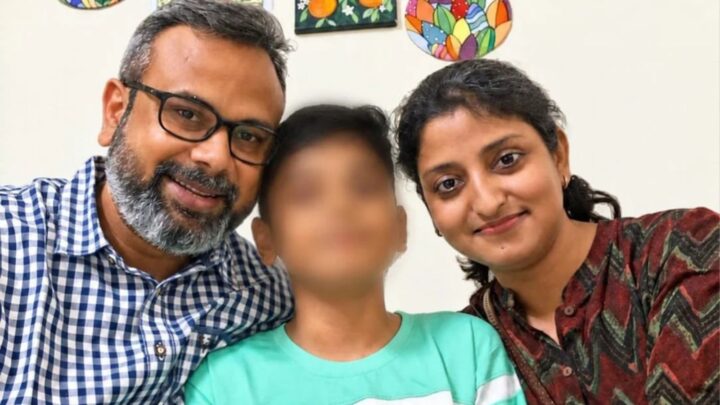
The day Yuvaan Singh, 12, was diagnosed with autism at the age of six, the only question his father, Abhishek Singh, wanted to ask was “Is there a cure?”. The response made him feel devastated. While coping with his wife Priyanka’s struggles with Lupus, he was now fighting against his own fears, loss, and feelings of powerlessness. Six years after, the father who used to search for a cure with such desperation has gained strength through acceptance, found meaning through activism and immense happiness in a little thing like an additional push-up. From being a scared father to his son’s biggest supporter, 44-year-old Abhishek’s story teaches us that sometimes, it is the kids who make us see life differently.
In this conversation with All About Inclusive, Abhishek Singh talks about the fears after his son’s diagnosis, the reality of raising a neurodiverse child, and the ways their father and son relationship has taught him what true progress, acceptance, and fatherhood are all about.
Question: Take us back to the moment your child was diagnosed with autism. What were your first thoughts and fears, and how did the diagnosis change you as a father?
Answer : 17th March 2020, In the middle of COVID, my wife and I sat through a 45-minute online consultation, answering questions about Yuvaan’s behaviour. Almost every answer was a YES. and finally, she broke the news that Your son is on the autism spectrum, mild to moderate. To be honest, I froze. I could barely breathe. All I could ask was, “Is there a cure?” The answer was NO.
We were already fighting another battle. Since 2018, my wife Priyanka had been living with Lupus (SLE), which had damaged 30% of both her kidneys. Her health had forced us to live apart — she and Yuvaan in Pune, while I worked in Indore. COVID turned what was meant to be a short separation into three painful years. I was already struggling to hold my family together. And now, another diagnosis.
I went into denial. I read research papers, searched desperately for a cure, and kept asking myself, “Why my family? Why my son?” The more I searched, the more helpless I felt. I slipped into depression. Sleepless nights, loss of appetite, weight loss, and countless moments of crying alone. But after three months of fighting my own fears, something changed – I realised that my wife and son didn’t need a broken father or husband desperately searching for answers. And every morning, I started asking myself one question: “Abhishek, IF NOT YOU, THEN WHO?”
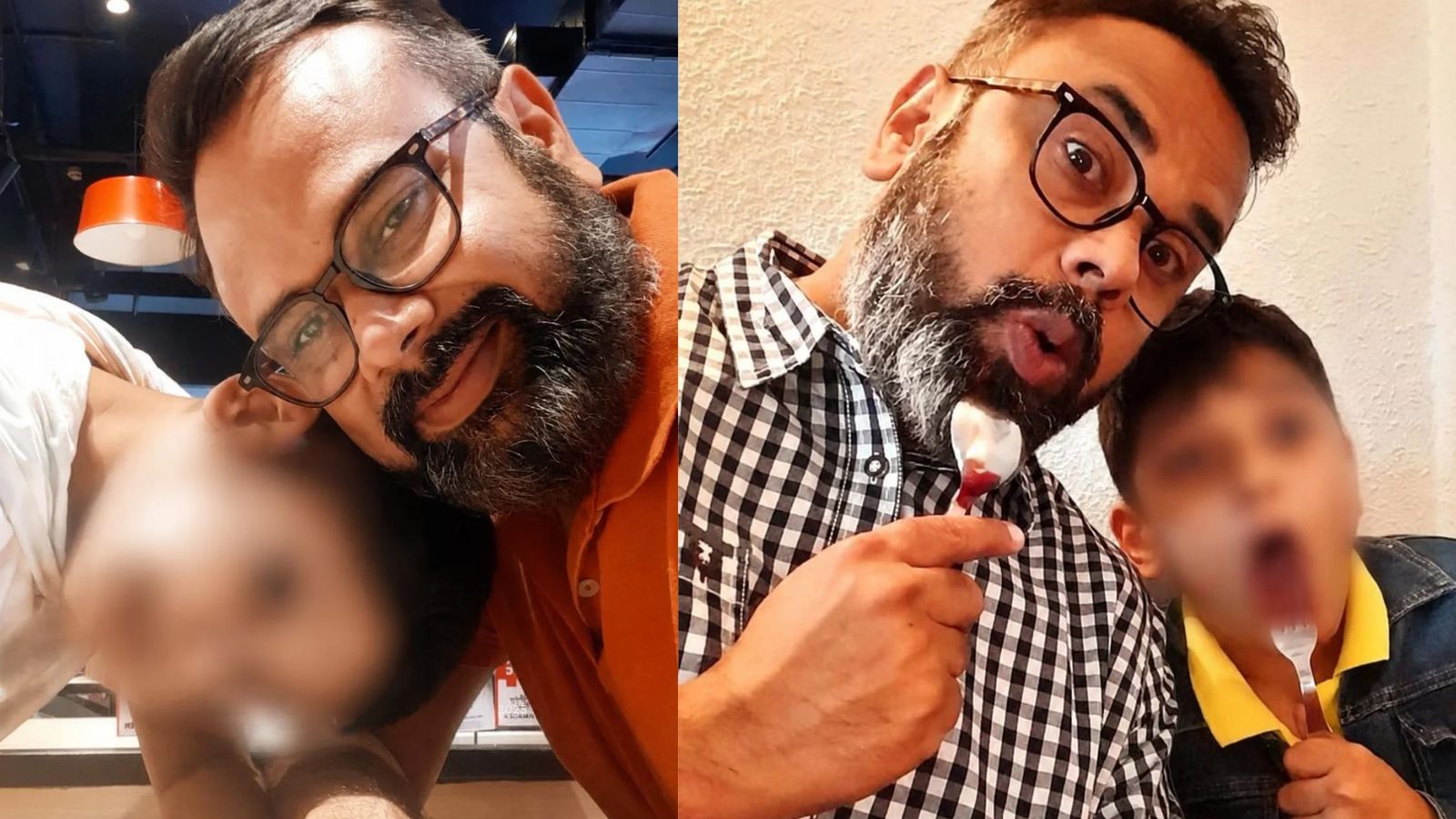
That question became my strength. Six years later, the challenges haven’t disappeared. But I have changed. I stopped searching for a cure and started learning acceptance. I stopped asking WHY ME and started asking WHAT NEXT. And somewhere along this journey, a frightened father slowly became an autism advocate. The battle continues. But today, I fight it with love, not fear.
Also Read: Teaching Neurodivergent Girls About Periods: Senior Doctor Shares Proven Tools and Tips
Question 2) What has been the most emotionally challenging part of raising a child with additional support needs, and how do you cope on days when you feel overwhelmed?
Answer: We call ourselves a SPECIAL Family, because life has given us two conditions that have no cure, and we have learnt to live with both.
The biggest challenge has been balancing Priyanka’s health limitations with Yuvaan’s growing needs. Despite her own struggles, Priyanka has taken on the responsibility of raising and homeschooling Yuvaan. Being a PhD, she has channelled her knowledge, patience and determination into his learning and behavioural development. I have taken responsibility for his social exposure, physical fitness and experiences outside home.
One of the most exhausting parts of our journey has been the endless rounds of behavioural, occupational and speech therapy. There were days when we brought home a child who was more irritated, confused and emotionally dysregulated than when he left. As parents, that was difficult to watch.
Homeschooling wasn’t an easy decision, but it was a decision we felt was right for Yuvaan. Today, at 11, he is entering puberty, bringing a completely new set of challenges. Some days are manageable, while others can be physically and emotionally exhausting. We are learning as we go, often through trial and error.
But we have also learnt something important — as caregivers, we need to take care of ourselves too. For me, it’s the gym, where Yuvaan now joins me and absolutely loves it. For Priyanka, it’s finding time to work out, Paint , walk, read or simply have a moment to herself.
We still get overwhelmed, frustrated and tired. We don’t always have the answers, and we certainly don’t get everything right. We are just two ordinary people doing our best to give our son a happy, healthy and meaningful life, while learning to take care of each other along the way.
Question) Can you share one achievement or small moment in your child’s journey that filled you with immense pride and changed the way you look at progress?
Answer: Yuvaan started speaking early, and thankfully, he is verbal. He still struggles to express his thoughts and emotions, but he makes an effort to find the right words. For us, every little improvement is an achievement worth celebrating.
But one of my proudest moments as a father has been watching Yuvaan develop a love for fitness and working out with me. What started as a simple father-son activity has become something much bigger. At the gym, he is no longer just Yuvaan. He is “CHAMP,” “ROCKY,” and many other names given to him by people who genuinely enjoy working out alongside him.
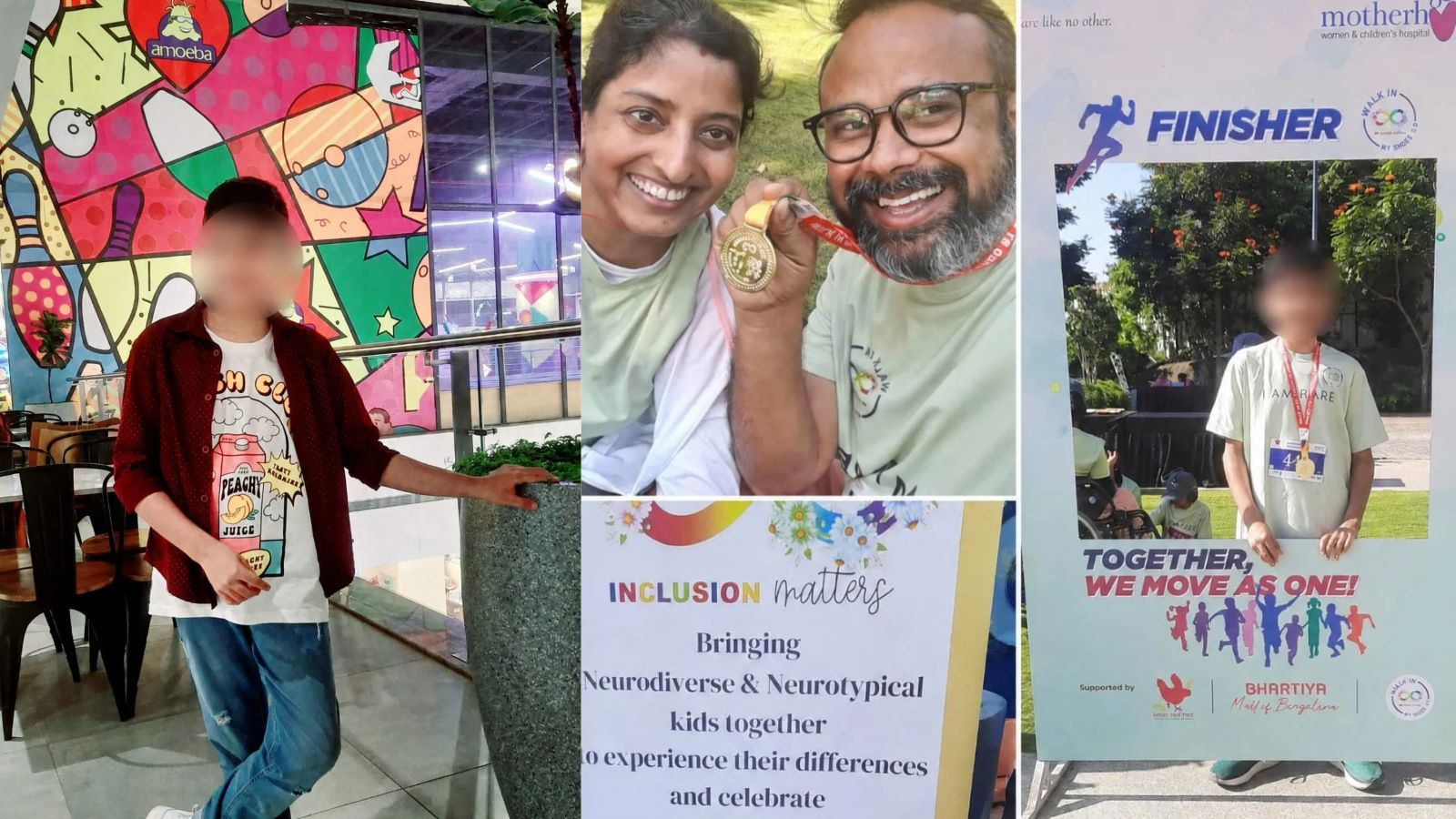
That’s when I decided to start sharing our workout moments on Instagram. Slowly, other parents of autistic children began reaching out, asking how I motivate Yuvaan to exercise and how physical activities can help with sensory regulation and motor skills. And that has been another beautiful part of this journey — realising that our everyday father-son moments could encourage another family to try something new.
Also Read: Can Children Outgrow ADHD or Autism?
Question) How has this journey shaped your relationship with your child and your partner, and what have you learned about being a father along the way?
Answer: I don’t know how much we have done for Yuvaan, but I genuinely believe God sent him into our lives to make us better human beings. Yuvaan has made me more patient, grounded and accepting. I have slowly started looking at the world through his lens, and trust me, it’s a beautiful world when you stop comparing and start appreciating the little things.
Since his diagnosis, my social life has changed completely. Meeting friends, attending family functions or going out for gatherings has become rare. But somewhere along the way, I found my best friend in my son. I know friendships may not always come easily to Yuvaan, but I want him to know that he will always have a friend in his father.
This journey has also brought Priyanka and me closer as partners. We share responsibilities, worries, small victories and difficult days. We have learnt to depend on each other in ways we probably never imagined. Sometimes, I hear parents worrying about their children scoring a few marks less in Maths or Social Studies. And here I am, celebrating because Yuvaan did 15 push-ups today instead of 14 yesterday and that one extra push-up means the world to me.
Question) Have you experienced moments when your child was excluded, misunderstood or genuinely accepted, and what do you wish society understood about neurodivergent children?
Answer: When Yuvaan was diagnosed, we were in Indore, where we had a deeply disturbing experience with a speech therapist. My wife witnessed her slapping Yuvaan repeatedly because he wasn’t following instructions. I don’t want to name anyone or revisit what followed, but that incident changed something in me. If my child wasn’t safe even with someone trained to help him, how vulnerable would he be in the outside world?
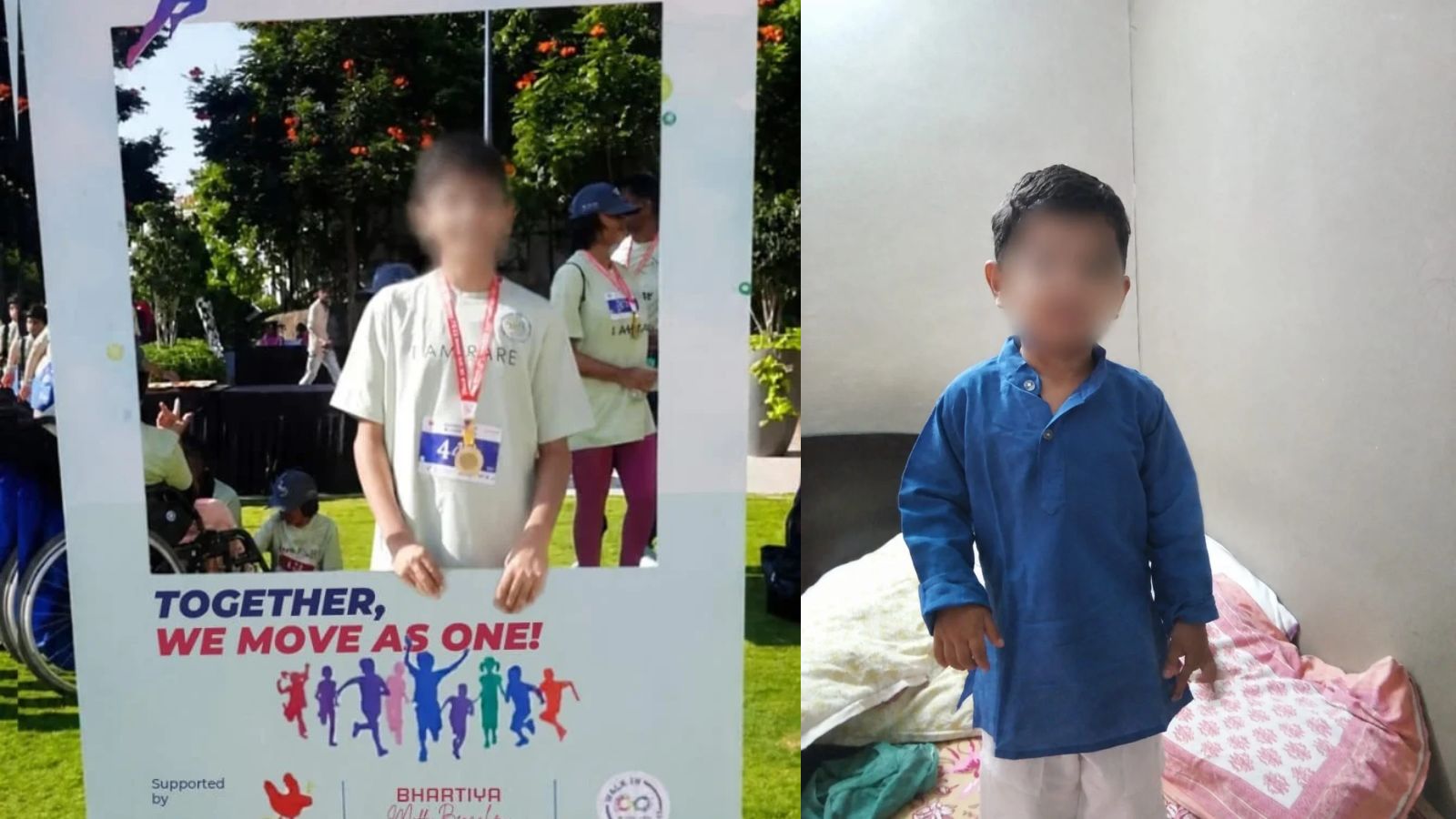
That experience made us more protective and selective about the people and environments we exposed him to. We eventually moved to Bangalore for a better support ecosystem and chose to homeschool him rather than risk damaging his confidence in an environment that might not understand his needs.
People sometimes call us overprotective. Maybe we are. But protecting my child’s confidence and dignity matters more to me than proving that he can fit into everyone else’s expectations.
Also Read: Shivani and Vivaan: An Inspiring Autism Story From the UK
Having said that, I genuinely feel society is becoming more aware and accepting of neurodiversity. I see people being more understanding of Yuvaan’s needs. Sometimes, something as simple as not staring when he is having a meltdown means a lot to us as parents. I don’t want to blame society for everything. In fact, I feel we need to question the language we use ourselves.
ASD stands for autism spectrum disorder. Is it really a disorder or a condition is what we need to ask the medical fraternity that has coined this term. I understand that it’s a medical diagnosis, but words shape perceptions. If we want society to look beyond labels, perhaps the conversation needs to begin with the medical community too.