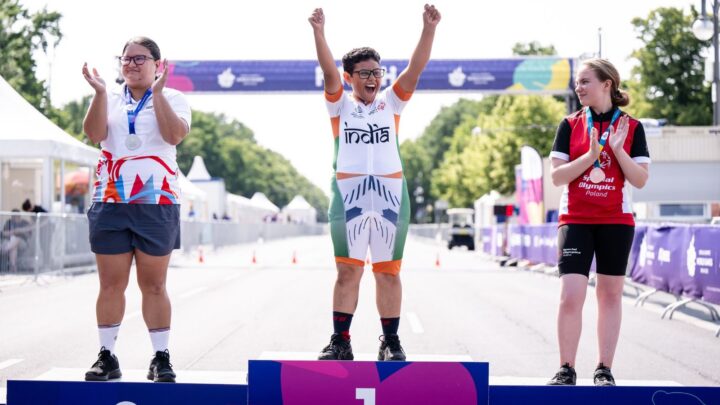
A medal can celebrate a victory. But can sport change the way society sees disability? For Special Olympics, the answer goes far beyond the podium.
Across India and the Asia Pacific, sport is becoming a pathway to something much bigger than competition. It is opening doors to confidence, friendship, leadership, education, health and employment for people with intellectual and developmental disabilities.
Inclusion, in this context, is not simply about giving someone a place on the field. It is about creating spaces where people are seen, heard, valued and given the opportunity to contribute.
In a conversation with All About Inclusive, Dipak Natali, President and Managing Director, Special Olympics Asia Pacific, and Dr. Mallika Nadda, President – Special Olympics Bharat, Chairperson Asia Pacific Advisory Council (APAC), and Board Member Special Olympics International Advisory committee, share why true inclusion begins when people are not simply invited to participate, but are given the opportunity to belong.
Also Read: Faith Over Fear: Dubai-Mother Dr Nazima Saiyed on Raising Her Non-Speaking Autistic Son
When sport becomes more than a game
The idea of inclusion can sometimes remain abstract — something spoken about in policies, classrooms and conversations. But on a playing field, it can become something people experience for themselves.
For Special Olympics, true inclusion starts with creating opportunities for people with intellectual and developmental disabilities to participate alongside others, contribute and lead. “True inclusion through sport is not just about participation, but providing opportunities to belong, contribute, and lead,” says Dipak Natali, President and Managing Director, Special Olympics Asia Pacific.
Since its founding, Special Olympics has worked for the rights of people with intellectual and developmental disabilities, who remain among the world’s most marginalised populations. And sport provides an unusual opportunity to challenge the assumptions that often surround disability.
“When people with and without IDD -play and lead together, prejudice gives way to understanding, breaks down barriers, fosters friendships, and challenge stereotypes,” Natali explains.
In a world that is increasingly divided, he believes inclusion has moved beyond being merely a social aspiration. “In an increasingly divided world, inclusion is no longer just a social aspiration. It is a necessity. The future depends on our ability to build societies where everyone belongs.”
That philosophy comes alive particularly through Unified Sports, where athletes with and without intellectual and developmental disabilities train and compete on the same team. The significance lies in the fact that people do not merely hear about inclusion. They experience it.
Also Read: Waiting for Your Child to Speak? A Speech Therapist on the Signs Parents Should Not Miss
“We see this embodied on the playing field in a very natural way,” Natali says, explaining that Unified Sports is powerful because people “do not merely hear about inclusion; they experience and participate directly in it.”
In India, that sporting experience is only the beginning.
According to Dr. Mallika Nadda, President – Special Olympics Bharat, Chairperson Asia Pacific Advisory Council (APAC), and Board Member Special Olympics International Advisory committee, sport acts as the entry point to a much larger ecosystem involving health, education, families, youth engagement, athlete leadership and employment.
“At Special Olympics Bharat (India), sport is the entry point, but our work extends to inclusive health, education, youth engagement, family support, athlete leadership and pathways to employment,” she says.
Special Olympics Bharat has a presence in most States and Union Territories and supports more than 2,00,000 registered athletes through year-round training and competition. The purpose, however, is bigger than organising sporting events.
“Our purpose is not only to organise games. It is to build communities in which persons with intellectual and developmental disabilities are visible, valued and able to contribute fully.”
Sometimes, the biggest victory happens away from the podium
Medals naturally bring pride. But when Special Olympics looks at how sport changes lives, the most meaningful victories are not always the ones that come with a medal around an athlete’s neck. For many athletes, transformation begins with smaller moments — speaking with confidence, travelling independently, making a friend or being welcomed into a classroom or workplace.
“The medals are a source of immense national pride, but the real victory often begins much earlier,” Dr. Nadda says. “Sport gives athletes discipline and self-belief, and that confidence travels with them into every part of life.”
India’s athletes have also made their mark on the international stage.
At the Special Olympics World Summer Games Berlin 2023, India won 202 medals — 76 gold, 75 silver and 51 bronze. At the Special Olympics World Winter Games Turin 2025, 30 Indian athletes won 33 medals — 8 gold, 18 silver and 7 bronze.
Behind those numbers are athletes whose journeys demonstrate what can happen when sporting opportunities are combined with consistent training, family encouragement and institutional support.
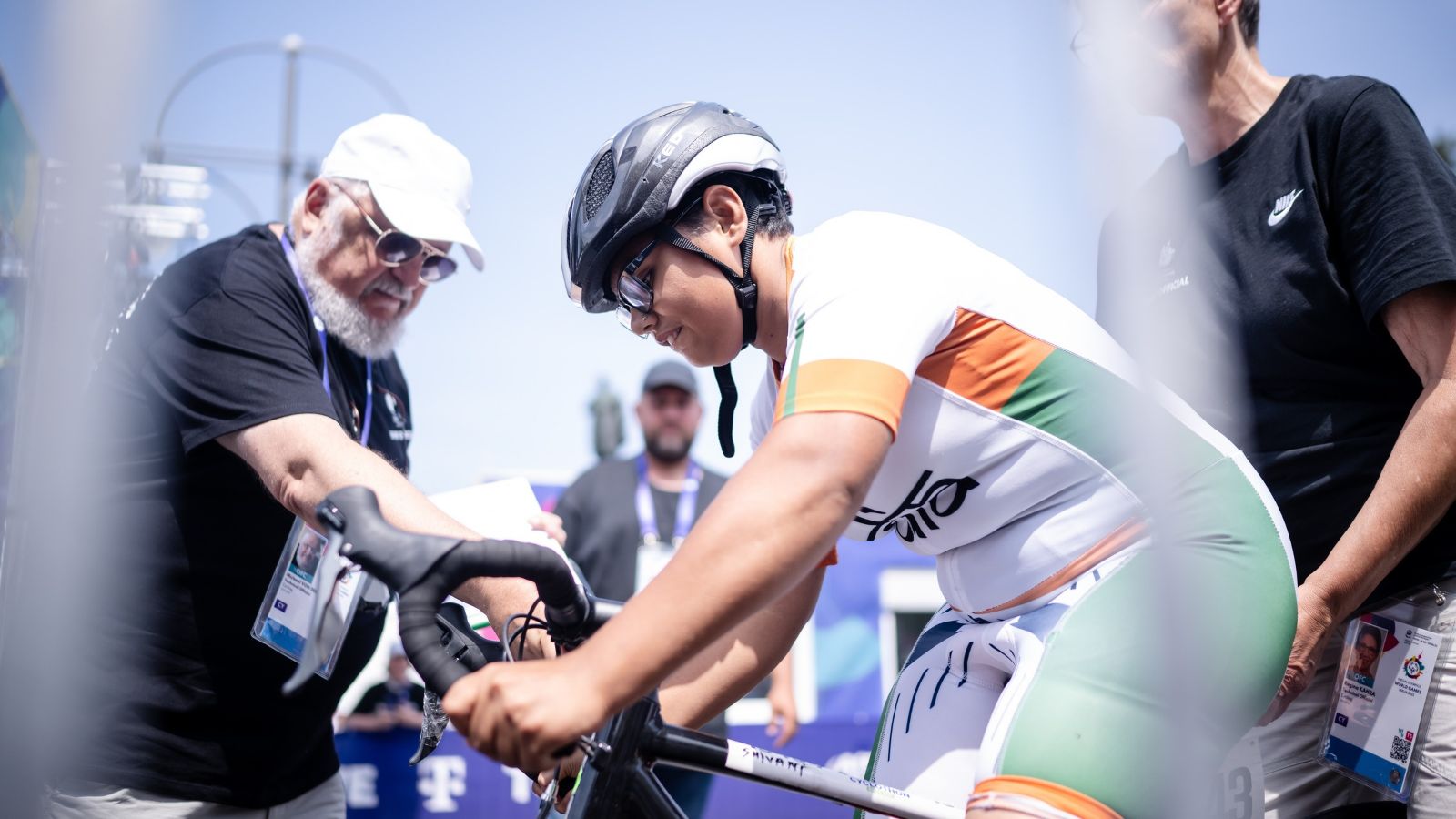
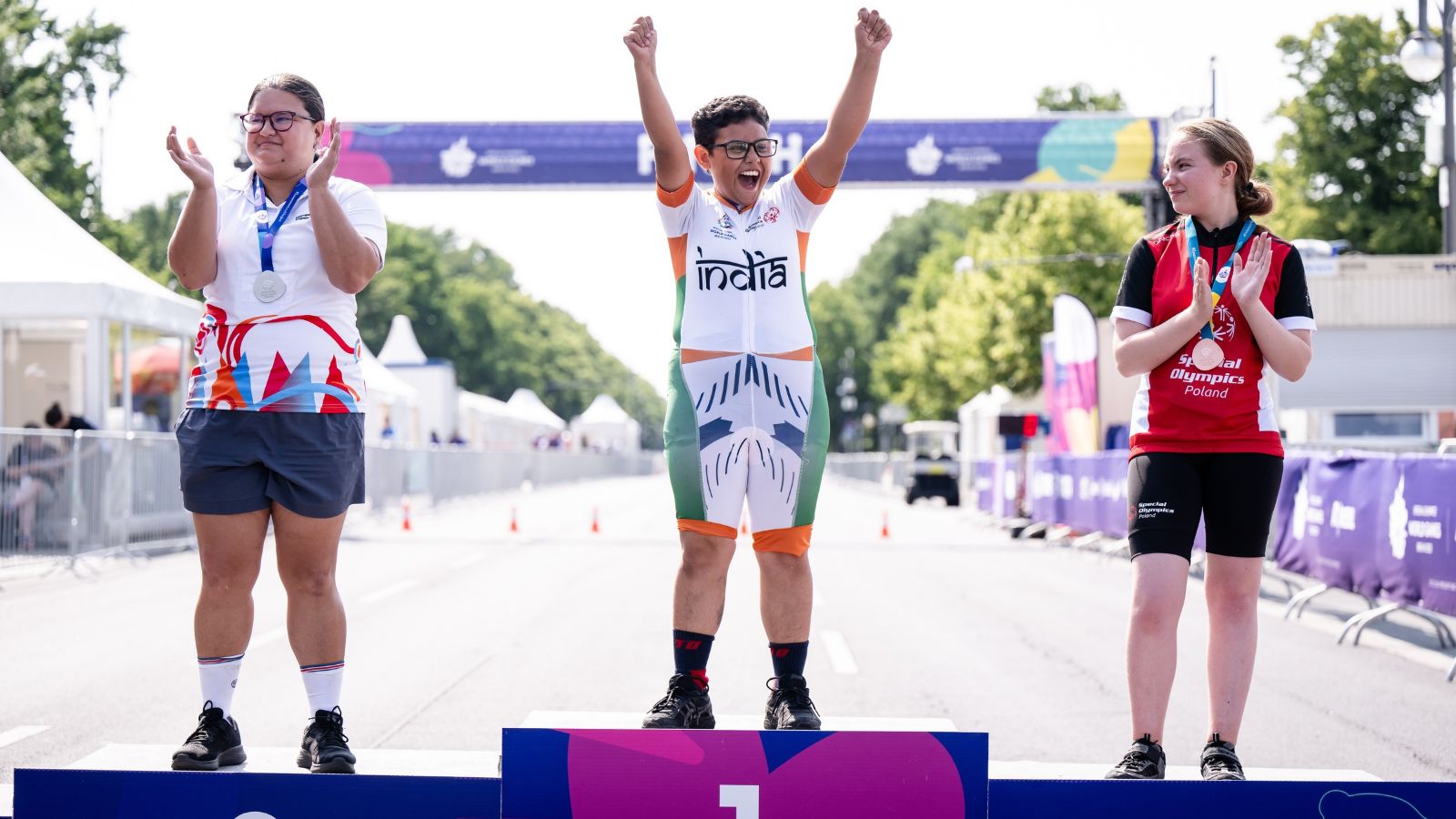
One such story is that of Shivani Jha.
Alongside developing functional, vocational and life skills, she grew as a cyclist and won three gold medals at Berlin 2023. Her journey did not stop at the sporting arena. She later moved into open employment and undertook an apprenticeship in the hospitality sector. Her story connects three spaces that are often treated separately — the classroom, the sports podium and the workplace.
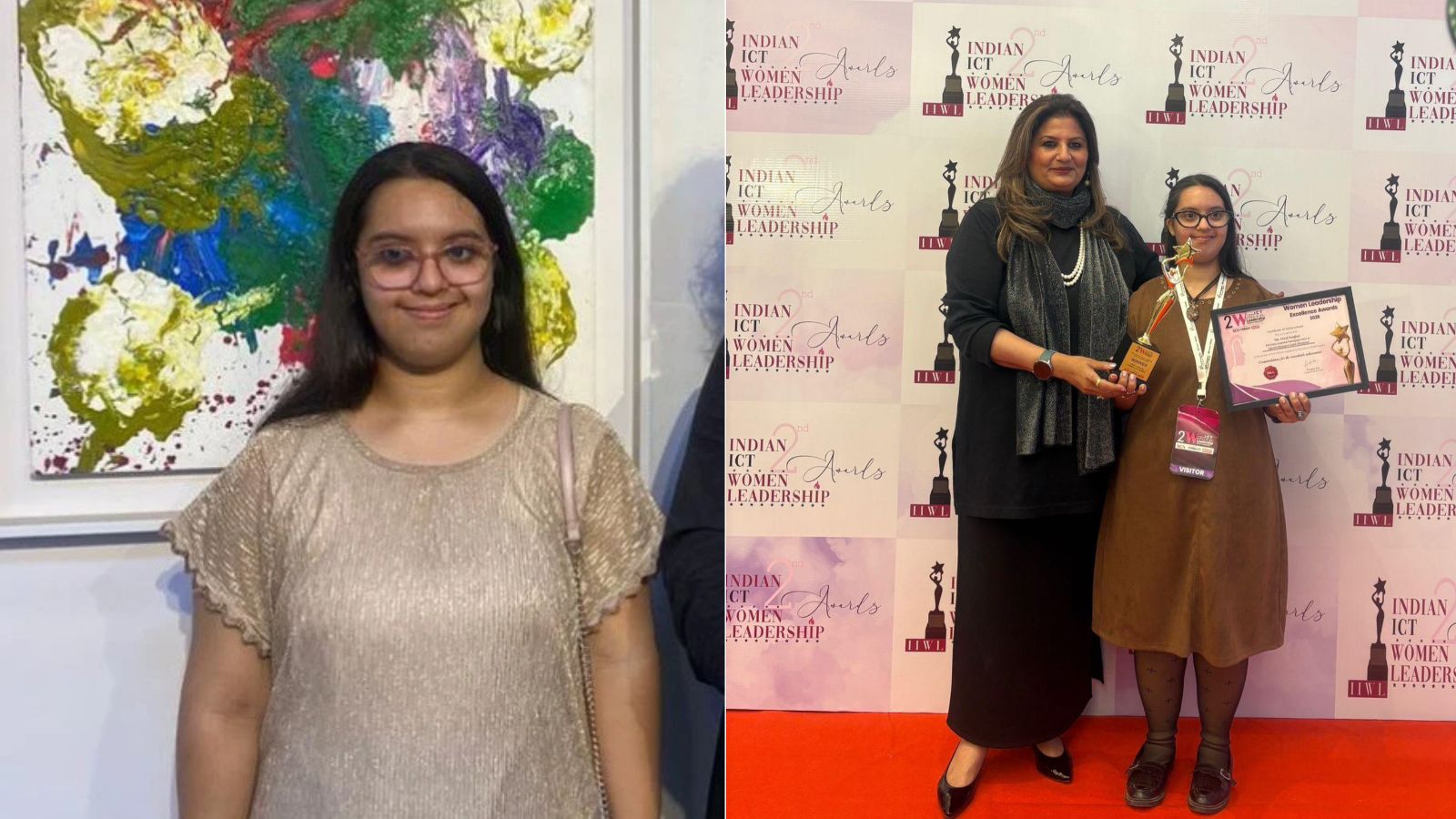
Then there is Hiral Singhal, an athlete leader with Down syndrome, who is a swimmer and multi-sport athlete as well as a self-taught artist whose work has been exhibited at leading venues.
Her journey offers another reminder: disability does not define the full range of a person’s abilities. “An athlete is never only an athlete; each person has many talents waiting to be recognized,” says Dr. Nadda.
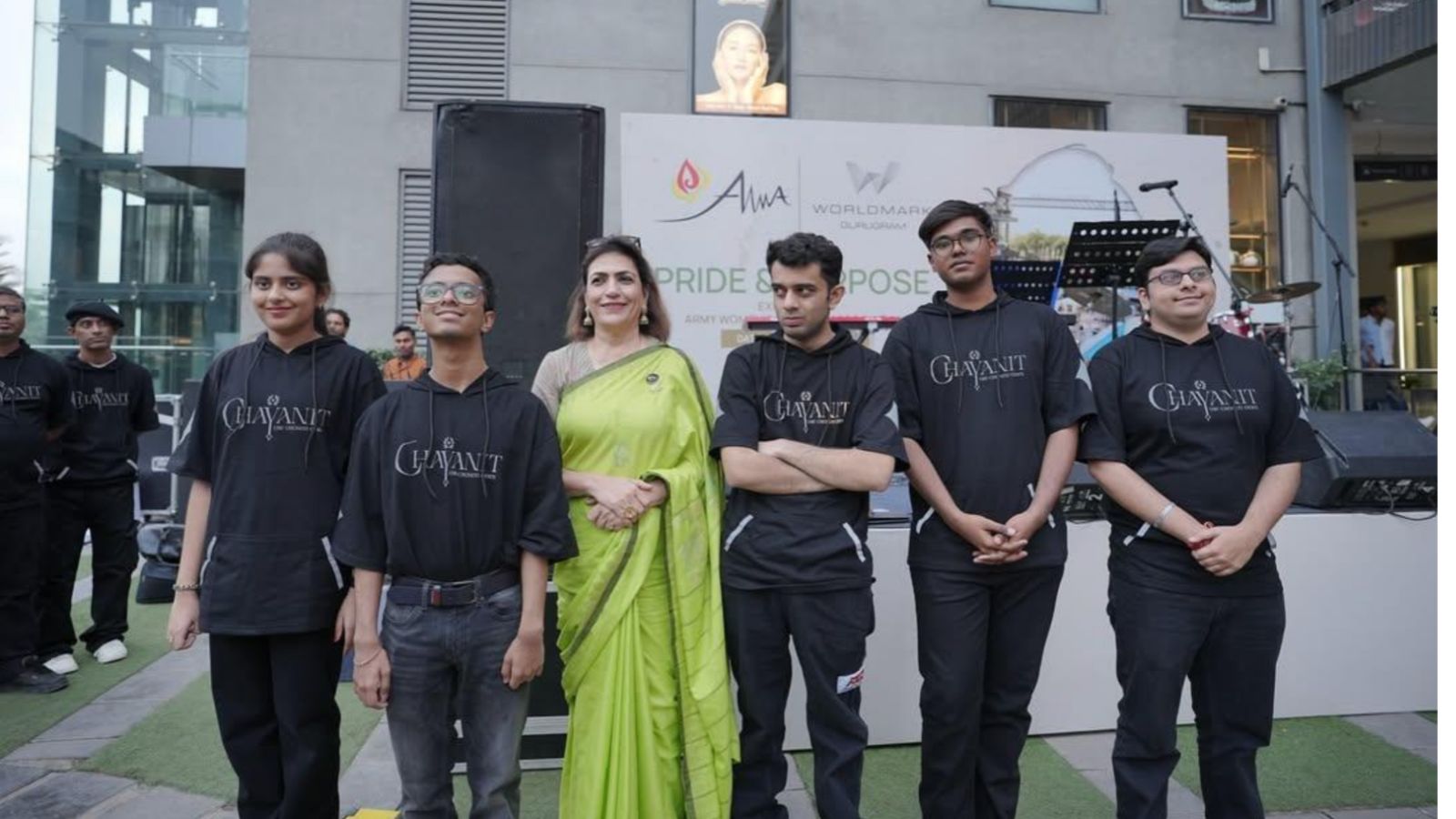
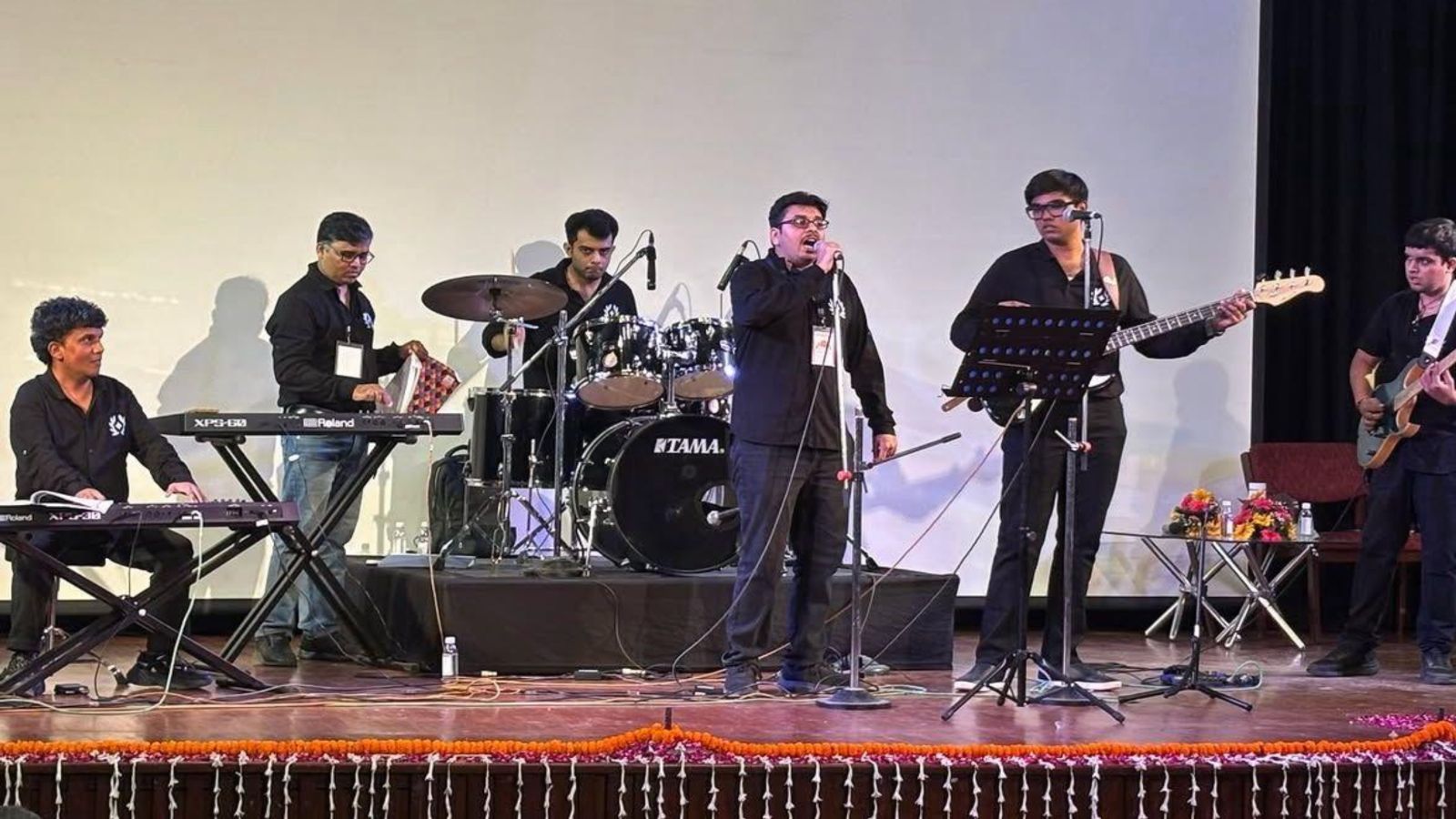
The same philosophy extends into the arts through the neurodivergent music initiative CHAYANIT – The Chosen Ones. “These stories are not about charity. They are about equal opportunity unlocking ability.”
The barrier that begins before an athlete reaches the field
If sport can open doors, what continues to keep so many people outside them? For Special Olympics Bharat, one of the biggest barriers is not a lack of ability. It is perception.
“People with intellectual disabilities are too often underestimated, spoken for, or excluded from education, healthcare, sport and employment,” Dr. Nadda says.
Also Read: Prashant Issar’s Ishaara: A Restaurant Where Communication Goes Beyond Words
In India, the challenge can look different depending on geography and community. Perceptions around disability vary across cultures, ethnicities and regions, while stigma can be more deeply entrenched in Tier 2 and Tier 3 cities, where awareness and exposure remain limited.
The response, therefore, cannot be limited to a sporting event.
Special Olympics Bharat works through year-round sports training and competitions, Unified Sports and Unified Schools, Healthy Athletes screenings, family engagement, youth and athlete leadership, and capacity building for coaches, teachers and healthcare professionals.
It also works with hospitals, universities, government institutions, schools, corporates and community organisations. The larger objective is sustainability — ensuring that inclusion does not depend on one event or one person.
“We train local educators, coaches and officials so that a program continues after the first activity,” Dr. Nadda explains. “Our aim is not to bring athletes temporarily into systems that remain unchanged. It is to help those systems become inclusive by design.”
That thinking is also reflected in the Each One Reach One campaign, which asks everyone already connected with the movement — athletes, families, coaches, volunteers, institutions and partners — to reach at least one more person with an intellectual or developmental disability who may still be outside the support system.
The idea is simple: no family should remain invisible simply because they live far from an established centre or do not know where to seek support. The work also extends to systems and policy.
The Rosemary Collaboratory, for instance, brought together representatives and experts connected with health, social justice, education and disability policy at a national brainstorming session in New Delhi on 11 May 2026.
The discussions included early identification and intervention, stronger links between RBSK and District Early Intervention Centres, disability certification and UDID processes, healthcare-professional training, sensory-friendly health facilities, caregiver support and greater convergence across ministries.
Special Olympics Bharat is looking at India as a potential demonstration site for translating these recommendations into practical policy implementation, including a proposed pilot district model integrating health, education and social-support systems.
Also Read: Autism & Occupational Therapy: Dr. Manish Samnani of SOCH on What Parents Often Miss
The ambition is to move beyond discussion and create a model that families can actually experience in their everyday lives.
From sports opportunities to a movement across Asia Pacific
The Special Olympics movement has also evolved significantly across the Asia Pacific region. What began as a focus on sporting opportunities has expanded into a broader platform involving education, health, athlete and youth leadership, families and communities.
Today, Special Olympics Asia Pacific supports more than 630,000 athletes across 35 country programs, providing resources, capacity-building support and a platform for their voices. For Natali, the most meaningful progress is not measured only by what happens during competition.
It can be seen in athletes growing in confidence, social skills, leadership, advocacy and decision-making.
India’s own movement has grown steadily since 2001, developing into a nationwide network supported by State Chapters, district networks, coaches, volunteers, families and partner institutions.
The scale today is significant.
Special Olympics Bharat’s core coverage stands at more than 10 lakh athletes with intellectual disabilities engaged through year-round programming. Over the past 30 years, its wider network has reached 1,750,938 athletes, 150,326 coaches and 91,968 volunteers, while 271,926 family members have also been directly engaged, principally through Family Health Forums.
That infrastructure stretches across sport, education and health. Sixteen National Championships were conducted across multiple disciplines in the past year, with 2,065 athletes competing in 2025, supported by 82 Sports Centres.
In education, the organisation’s reach extends to 1,500 special schools, touching an estimated 300,000-plus children through school-linked programming.
Over the next five years, Special Olympics Bharat aims to train 100,000 Physical Education Teachers and Special Education Teachers in Unified Sports — a move expected to create indirect reach across more than 50,000 schools and impact approximately 2.5 million students with and without intellectual disabilities.
The movement has also built partnerships with State Samagra Shiksha Abhiyan bodies, medical institutions and hospitals, while Youth & School Summits have brought leadership and youth engagement into local communities.
There have been formal records and recognitions along the way too, including a Guinness World Record, an Asia Book of Records entry, a 2025 World Talent Organization record and the largest National Health Fest held for people with intellectual disability in India, which screened over 1 lakh athletes across 139 locations in 31 states.
But records, Dr. Nadda suggests, are not what ultimately define the movement.
“What makes us most proud is not any single record — it is that this scale has been built progressively, state by state and district by district, over nearly four decades, so that the reach of the movement now extends into the smallest administrative block in the country and into the everyday lives of over a million athletes and their families.”
Another important regional milestone came when India hosted the 2024 Special Olympics Asia Pacific Bocce and Bowling Competition in New Delhi from 18 to 25 November 2024.
For athletes, such events provide more than competition. They create opportunities for friendship, shared learning and international participation closer to home.
Inclusion cannot stop at the sports field
For an athlete to experience genuine inclusion, the responsibility cannot rest with sport alone. It has to travel with them — from home to school, from healthcare to the community and eventually into the workplace.
“Families provide the first encouragement and the continuity that helps an athlete remain active,” Dr. Nadda says. Through Family Forums, parents and caregivers can exchange experiences, access reliable information and become stronger advocates for their children.
Schools, meanwhile, can influence an entire generation.
Unified Schools and Unified Sports bring students with and without intellectual disabilities together as teammates, while teacher and coach training helps ensure that such engagement becomes regular rather than occasional.
Also Read: Her Speech Was Delayed, Not Her Potential: Story Of 10-year-old Sanvika
Communities can then create visibility through local sport, youth engagement and initiatives such as Pratishtha, where inclusion becomes part of shared public spaces. Corporate partners, too, have a role beyond financial support.
They can contribute resources, technology, infrastructure, volunteers and skills — but also internships and employment pathways. “The most valuable partnership is not a one-day sponsorship; it is a long-term commitment that includes athletes in workplaces and leadership spaces.”
Because ultimately, inclusion should not disappear when the competition ends.
“When these stakeholders work together, an athlete experiences inclusion at home, in school, in healthcare, in the community and at work, not only during a competition.”
The future: Inclusion shaped with athletes, not simply for them
Looking ahead, Special Olympics Bharat’s agenda is to bring quality opportunities closer to every person with intellectual and developmental disabilities, irrespective of geography, gender or level of ability.
That means strengthening grassroots sports centres and competitions, expanding Unified Sports and Unified Schools, training more coaches and educators, deepening inclusive healthcare partnerships and creating stronger pathways towards youth leadership, athlete leadership and employment.
Through Each One Reach One, the organisation also hopes to connect more people who remain outside existing support systems.
Livelihood training and lifelong support will remain important priorities, particularly for senior athletes. But expansion alone is not enough.
“Growth is meaningful only when programmes remain active year after year and local communities take ownership,” Dr. Nadda says.
Government partnership will continue to play a central role across recognition, athlete welfare, education, health, skill development and employment. And perhaps most importantly, athletes themselves need to have a say in the systems being created around them.
“Most importantly, athletes must have a voice in the decisions that affect them. The future is not merely about programmes for athletes; it is about programmes shaped with athletes.”
The larger goal is to move from inclusion being an occasional initiative to becoming an everyday social value.
Because inclusion begins when everyone has a place at the table
Perhaps the most powerful thing sport can offer is not a medal. It is the chance to be seen differently.
A child who becomes a teammate. An athlete who finds confidence. A family that discovers new possibilities. A person who moves from training into employment. A community that learns to see ability before limitation.
At Special Olympics Bharat, this change is witnessed in schools, health camps, families and workplaces.
“Sport gives every athlete a chance to demonstrate courage, experience joy, build friendship and earn respect,” Dr. Nadda says.
And when athletes with and without intellectual and developmental disabilities play together, she says, assumptions begin to fall away “quietly, naturally and permanently.” The larger lesson is that inclusion cannot be something added after the decisions have already been made.
“An inclusive society is not built by inviting someone in after everything has already been decided. It is built together, from the beginning, with every person at the table.”
For Natali, the same transformation is visible across the region. “At Special Olympics Asia Pacific, we witness daily how sport acts as a powerful equalizer.”
When athletes with intellectual and developmental disabilities step onto the field, labels can give way to courage, skill and shared joy. Sport, he explains, can do more than build physical fitness. It can challenge social barriers and shift the focus from what people cannot do to what they can.
“When communities come together to play, coach, and cheer alongside our athletes, inclusion stops being just a concept—it becomes a lived reality.” And perhaps that is where the real story of Special Olympics lies.
Not in how many medals are won.
But in what happens after the medal — when confidence travels home, when friendship enters a classroom, when a family sees new possibilities, when an employer sees talent, and when society begins to understand that inclusion is not about making space for someone.
It is about building the space together.
“Through the transformative power of sport, we are not just building stronger athletes; we are building a more empathetic, unified, and inclusive world for everyone.”