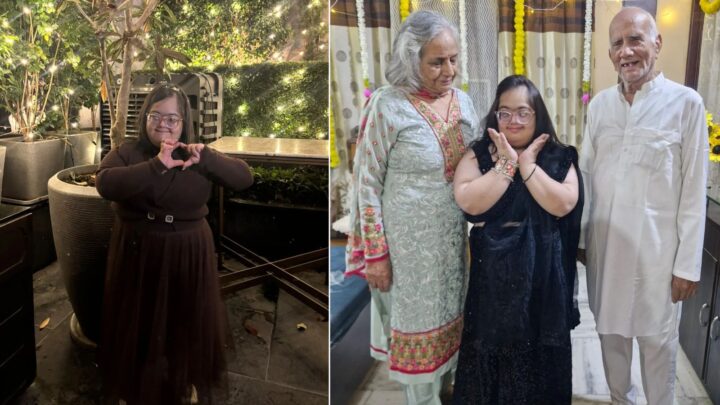
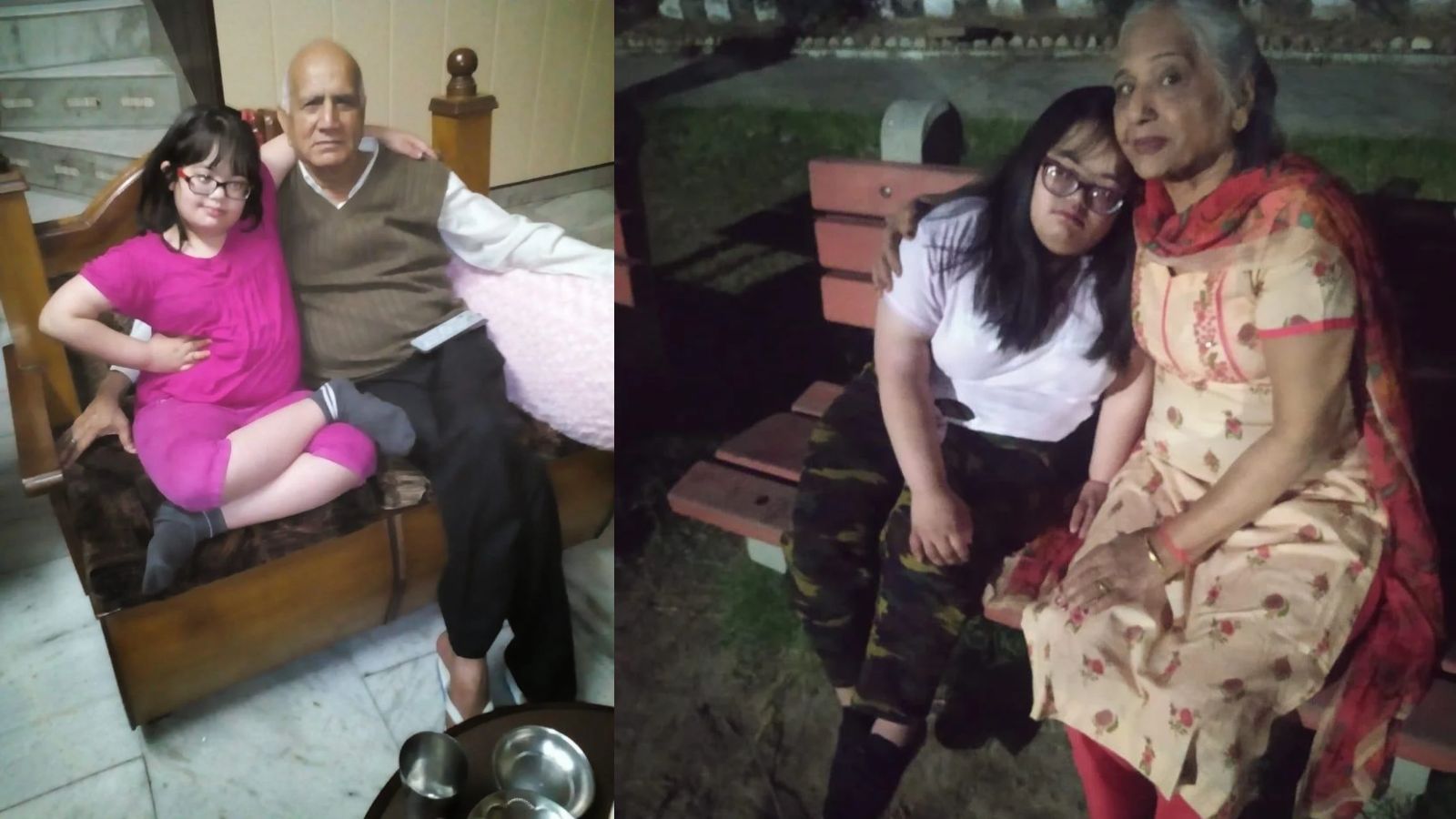
This little girl, Suhani, recently received heartwarming recognition from Kapil Sharma, the comedian and Yuvraj Hans, the singer, making one more addition to her list of experiences and successes as a content creator. With all the moments spent with her grandparents and even her dreams for the future that include college education and modelling as her profession, she proves that through love and encouragement, people can find their way and create their own identity.
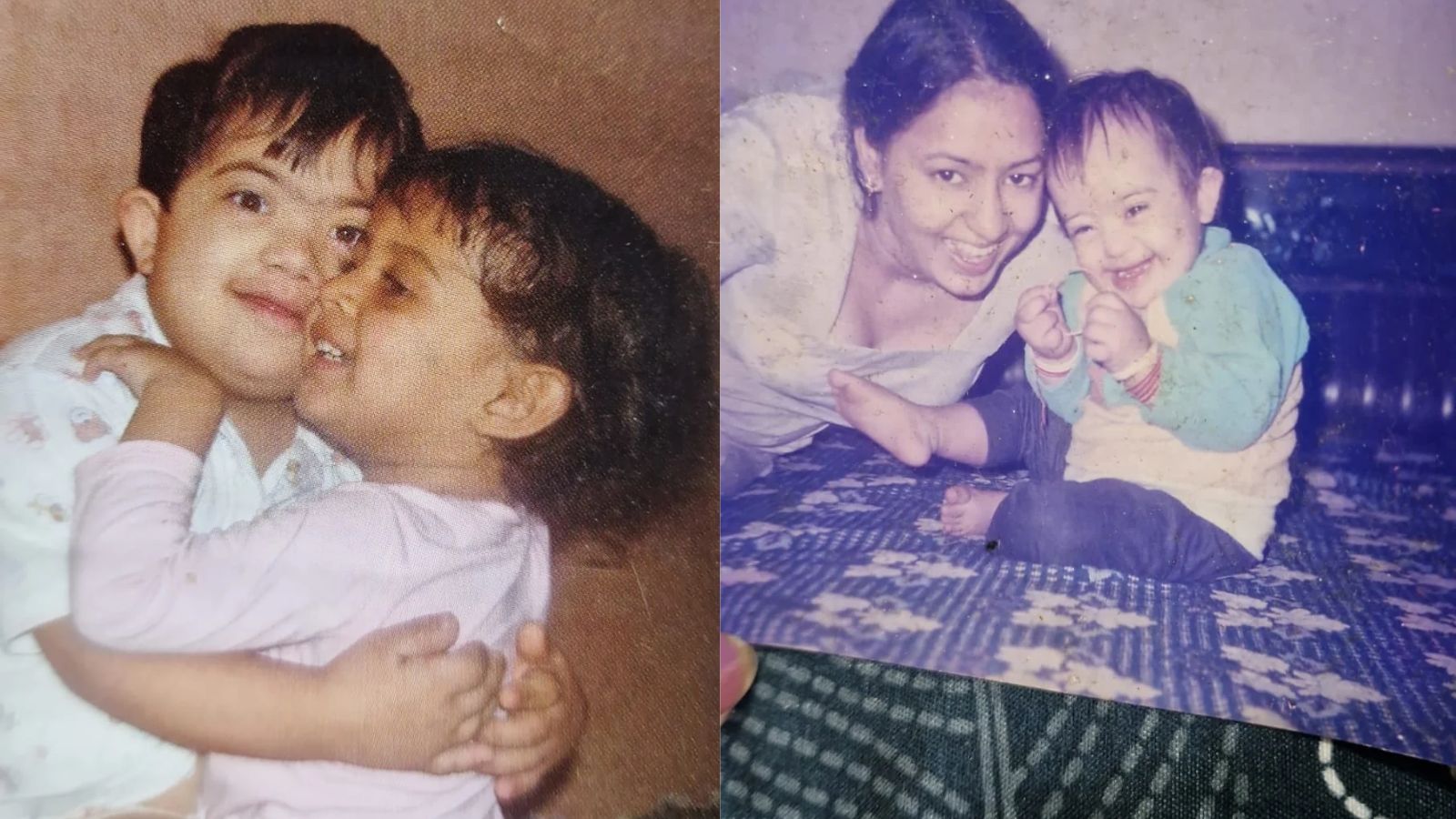
Suhani was diagnosed with Down syndrome after her birth. Although it was an unpleasant surprise at first for her parents, later it became a period of self-discovery and acceptance of abilities and personality.
Creating videos with her Dada and Dadi is not only an entertainment for Suhani but also an opportunity to share herself, to prove her talents and reach out to people. Their funny jokes and teasing moments have already made them famous and earned millions of views for their videos on social media.
Also Read: Cannes Grand Prix to Autism Dad: How Ashiish V. Patil’s Son Changed His Definition of Success
“When Suhani was born, the paediatrician told us that she had Down syndrome. We did not know much about the condition at the time. It came as a huge shock, and our minds were filled with questions, fears and uncertainties. We could not understand what her life would look like or how we, as a family, would be able to support her,” says her father Darpan Mahajan.
Suhani shares a beautiful, close-knit bond with her father, built on love, laughter and unconditional acceptance. He has been an important part of her journey, encouraging her to explore life, express herself and embrace her individuality. Their relationship reflects how a father’s support can make a world of difference.
Divya Darpan Mahajan, Suhami’s mother, recalls how difficult those initial days were.
However, the unconditional support of Suhani’s grandparents, aunt and extended family helped them navigate the uncertainty. “Initially, we were very upset and worried. But with time, after consulting specialists, we understood that even with Down syndrome, Suhani could learn many things and move forward in life. Gradually, we changed our perspective. We decided that we would never let her feel that she was any less than anyone else,” says Divya.
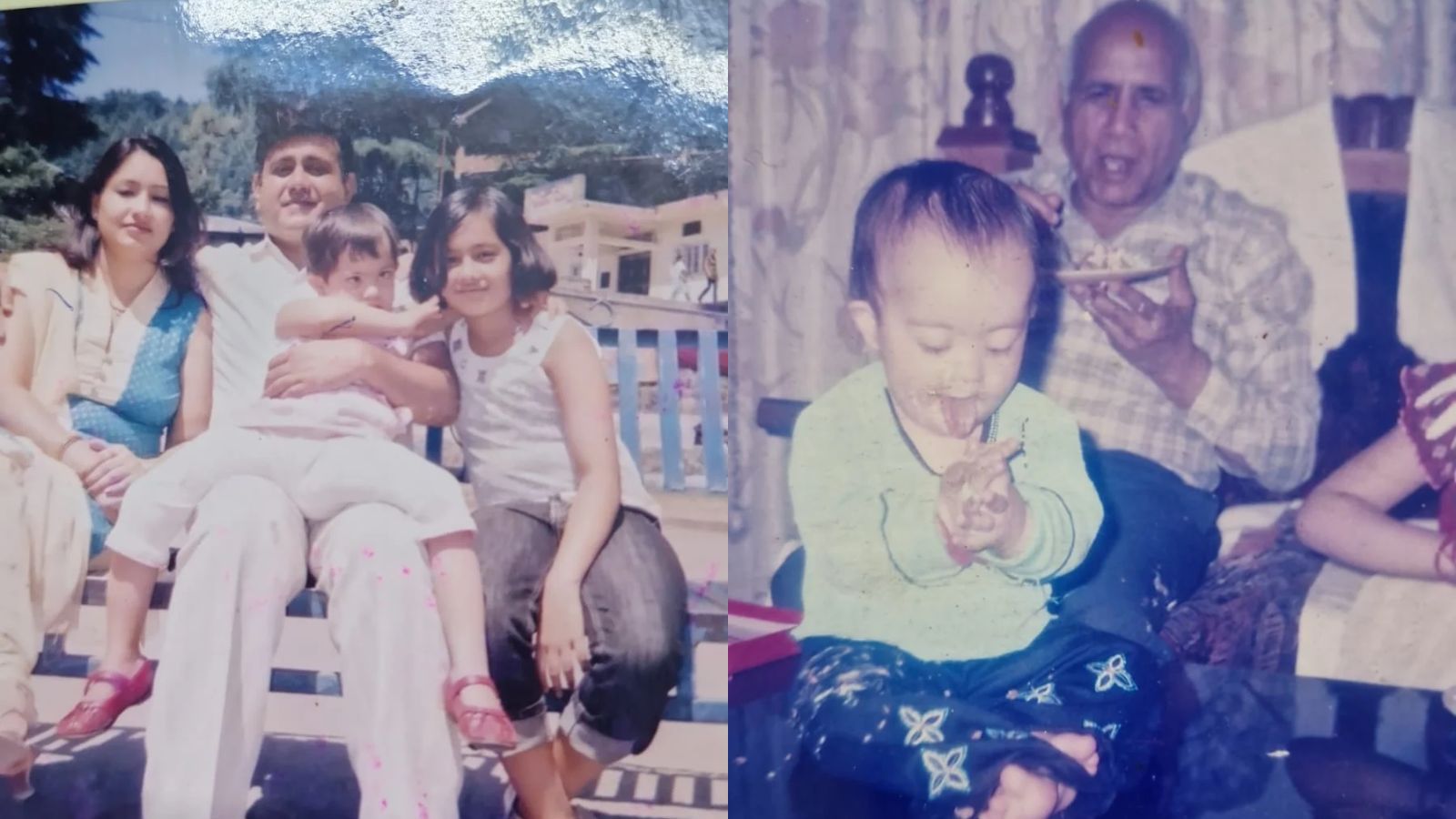
Today, the family believes that every child has individual abilities that need to be recognised, encouraged and given opportunities to flourish.
Also Read: An Ailing Wife, An Autistic Son And A Father’s Fight To Hold His Family Together.
A Childhood Surrounded By Love And Encouragement
Suhani grew up in a family where her grandparents played a particularly important role. Her bond with her Dadu and Dadi remains one of the most special relationships in her life. Her parents have always made a conscious effort to involve her in everyday activities, take her along wherever they go and introduce her to different people and experiences.
“We have always tried to ensure that Suhani never feels inferior to anyone. We take her everywhere, introduce her to people and encourage her to express herself freely,” says her mother Divya.
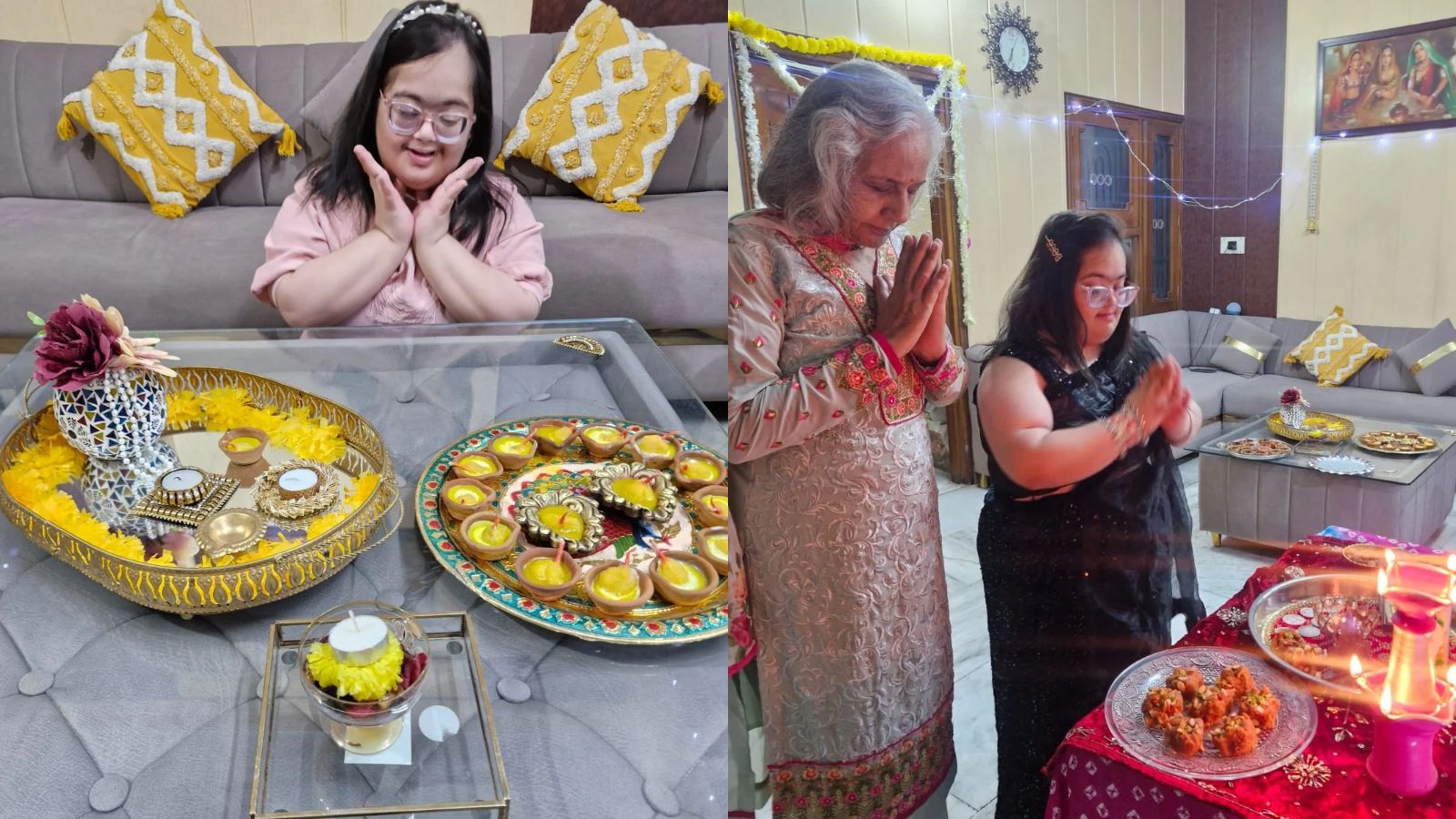
Suhani has a wide range of interests. She loves dancing, singing, acting and modelling. Shopping, dressing up and doing her own makeup are among her favourite activities. She also enjoys choosing her clothes and accessories independently.
Rather than making these decisions for her, her family encourages her to explore her preferences and make choices of her own. Her elder sister, who is working, has also become an inspiration. Watching her sister go to work has given Suhani dreams of having a career of her own.
“She tells us that she, too, wants to get a job like her elder sister, earn money and help her father. What makes us happiest is that she has dreams of standing on her own feet and becoming something in life. She surprises us every day by doing something new,” says Divya.
Also Read: Beyond Perception: Arin Paul on Challenging Society’s Assumptions About Visual Impairment
From Family Videos To A Social Media Identity
The idea of making videos with her grandparents was never conceived as a social media project. It began with something much simpler: capturing the beautiful moments they shared at home.
Their everyday conversations, playful arguments and affectionate interactions were too precious not to preserve.
“We started recording these little moments on our phones. Initially, we had no plans of becoming social media creators or reaching such a large audience. We were simply making videos to preserve our family memories.”
That changed when people began responding to their content. The videos attracted an increasing number of viewers, and some went on to cross millions of views.
For Suhani, however, content creation is not merely about likes, views or followers. “She genuinely enjoys making videos, facing the camera, acting and making people laugh. When people shower her with love and tell us that her videos make them happy, she feels delighted. For us, content creation has become a medium through which Suhani is building her own identity and showcasing her talent to the world,” says Divya.
Her growing presence on social media has also helped her become more comfortable interacting with people and expressing herself.
The School Journey: Finding An Environment To Learn
Like many children, Suhani’s educational journey came with its share of challenges. Her parents initially enrolled her in a mainstream school. However, after a year, the school expressed difficulty in continuing her education, stating that she was unable to keep pace with the other children academically.
The family then enrolled her in a nearby school that had introduced a separate wing for children with special needs. “The teachers and staff there gave her a lot of love and support. She found an environment where she could learn more comfortably.”
Also Read: Genital Stimming in Autism: Dr. R. S. Bagga Explains the Behaviour
Question) What would you tell parents who are so focused on their autistic child’s chal
For her parents, the biggest milestones have not necessarily been academic achievements but the confidence she has developed over the years. “Today, she expresses her thoughts freely, communicates her preferences, meets people and faces the camera with confidence. We consider every small step in her progress a big achievement. We never compare her with another child. Her progress is her success,” says Divya.
Divya also adds India’s Education System Needs To Do More. “India’s education system still falls short of supporting children with special needs. Many schools lack trained educators, individualised learning support and adequate infrastructure to ensure meaningful inclusion. The government must move beyond policies on paper and invest in accessible education, trained teachers and proper support systems so every child gets an equal opportunity to learn and thrive,” she says.
The Girl Behind The Camera
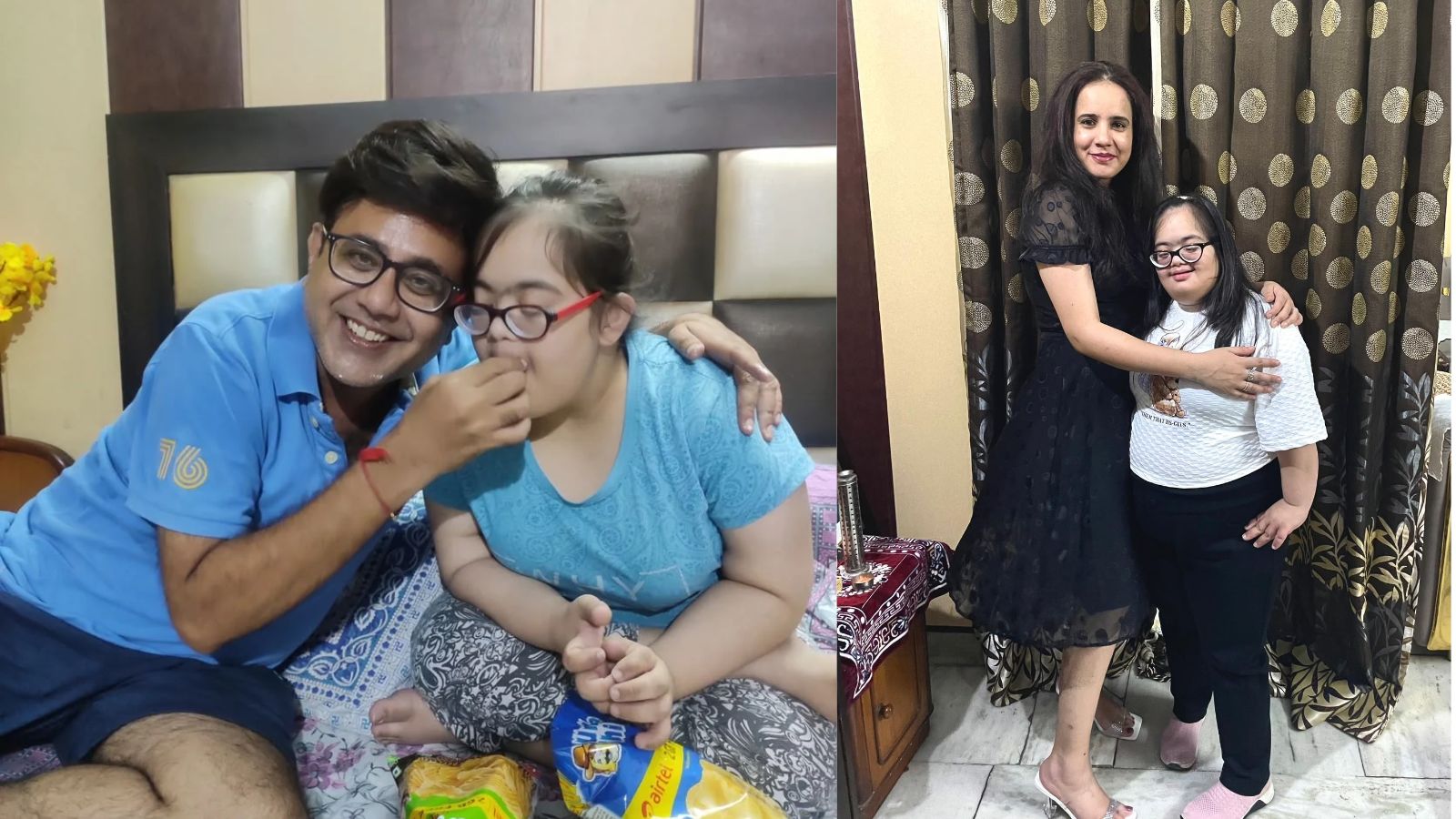
While social media followers often see Suhani laughing, dancing and having fun, her everyday life has its own routines, preferences and little rituals.
She is deeply attached to her family and particularly enjoys spending time with her father, talking to her grandparents and sharing details of her day with them.
In fact, telling her grandparents about everything that happened during the day is an important part of her bedtime routine.
She is also someone who is sensitive to the emotions of people around her. “She is a very loving girl who understands other people’s feelings. If someone at home is upset, she tries to make them happy,” says Divya.
Like everyone else, Suhani has her own preferences and ways of doing things. Sometimes, she insists on having things her way, and there are situations where she needs guidance and support. Her family, however, makes an effort to give her opportunities to do as much as possible independently.
“We want people to understand that Suhani has her own likes, dislikes, emotions and dreams. She is not just a cheerful girl seen on camera. She is an individual with her own personality and identity.”
Her daily routine reflects just how much she enjoys music and entertainment.
After breakfast, she switches on her favourite songs on television and spends time dancing, singing and acting. She particularly enjoys watching Taarak Mehta Ka Ooltah Chashmah while having her meals, followed by The Kapil Sharma Show.
Also Read: Shivani and Vivaan: An Inspiring Autism Story From the UK
Sundays are especially reserved for watching old episodes of Kapil Sharma’s show. She particularly loves the episodes featuring Navjot Singh Sidhu and can happily watch the same episode several times. Before going to bed, she narrates the day’s events to her grandparents. She also speaks to her aunt, who lives in the United States, every night. In fact, their bond is so close that neither of them likes going to sleep without speaking to the other.
Friendship, Acceptance And The Joy Of Being Included
Suhani enjoys meeting other children, talking to them, going out and having fun. Like anyone her age, she wants to build friendships and spend time with people.
Her growing social media recognition has also brought an interesting change in how people interact with her during family gatherings. “Earlier, she would sometimes sit separately during family functions. Now, people themselves come up to her, talk to her and ask about her videos. She feels very happy when that happens, and it has also helped boost her confidence,” says Divya.
For her parents, these seemingly small changes are meaningful reminders of what acceptance and inclusion can do.
They believe that society still has considerable gaps in its understanding of Down syndrome and other developmental conditions. People sometimes form opinions about individuals without knowing their abilities or personalities. “We have always tried not to make Suhani feel different. We never confined her to the house. We took her everywhere, introduced her to people and encouraged her to create her own identity.”
Their message to society is simple: a diagnosis should never become the only way of defining an individual.
Also Read: Raising a Child with a Limb Difference: How Dubai Influenced DIYAAHQ Founder’s Approach To Inclusion
“Down syndrome is not a person’s entire identity. These children have their own preferences, dreams, emotions and abilities. They deserve opportunities to study, work, make friends and take decisions about their lives. They do not need pity. They need love, respect, acceptance and equal opportunities. We should recognise children for their abilities rather than define them by their limitations,” says the proud mother.
Dreaming Of College, A Career And Independence
Ask Suhani about her future, and her aspirations are as varied as her interests.
She wants to go to college, continue her education, get a job, pursue modelling and become popular. Her elder sister’s professional journey has given her a glimpse of the independence she hopes to achieve. She also wants to earn money and contribute towards supporting her father.
Her parents are equally enthusiastic about helping her explore these possibilities.
“We want her to gradually become independent, make her own decisions and live a life of her choice. We do not want her opportunities or decisions to be restricted simply because she has Down syndrome. We want to give her every opportunity to discover her abilities.”
Their advice to other families raising children with developmental differences comes from their own experience of learning, adapting and growing alongside Suhani. “Never underestimate your children. Do not confine them within the four walls of your home. Let them meet people, learn new things, make their own choices and support them in pursuing their dreams.”
According to Divya, “Every child is special in their own way. We do not need to change children; we need to understand them and give them opportunities to move forward.”
For Suhani, the journey is still unfolding. Whether she is performing in front of a camera, choosing her favourite outfit, sharing a joke with her grandfather or dreaming about a career, she is steadily discovering the many things she can do.
And perhaps the most important part of her story is not how many people watch her videos, but how confidently she is beginning to imagine her own future.