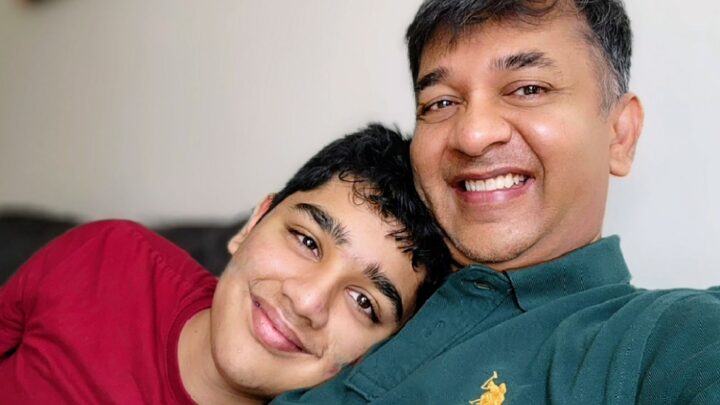
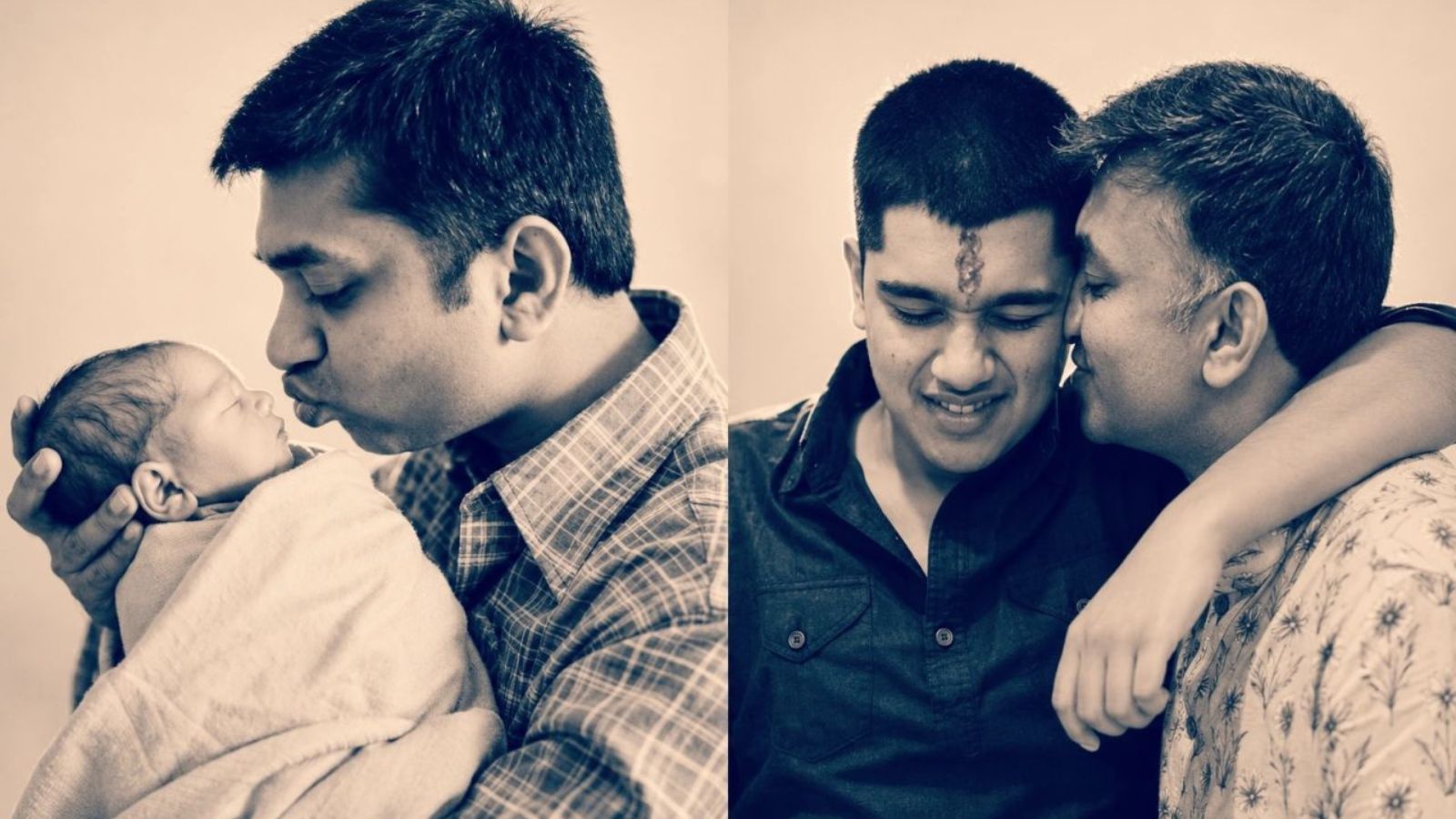
For Ashiish V Patil – an acclaimed storyteller, CEO, and one of India’s most celebrated creative minds whose work includes WTF, MTV India, Yash Raj Films, as well as accolades like the AdAge Creativity 50 and Cannes Grand Prix – the single most significant story he has ever told wasn’t something he authored as part of a commercial for any brand, film, or even marketing campaign. It is the story of how his life with his son Risshan unfolded.
Risshan had been diagnosed with autism when he was just two-and-a-half years old. That is when Ashiish and his wife Shital were faced with a new reality filled with anxiety, denial, questions about the future, and many other emotions. They had dreamt of a particular kind of life for their kid, but life had something else in store for him. And what ensued was not only an experience of treatment and therapy, but also of accepting and learning to live this new reality.
Also Read: Can Children Outgrow ADHD or Autism?
Music turned out to be a great medium for bridging the gap between the father and his son and helped Risshan discover himself and relate to the world. Together, they went on to become advocates of neurodiversity and did many creative works around the subject. However, life took yet another turn when Ashiish was diagnosed with autism later in life when he had been trying hard to understand his autistic son. This way, something which started as an attempt by the father to understand his child turned out to be a self-discovery process.
In this deeply personal conversation, Ashiish shares how his son’s autism diagnosis changed the course of their family’s life, led to his own late diagnosis, and inspired a journey of acceptance, advocacy, storytelling and hope.
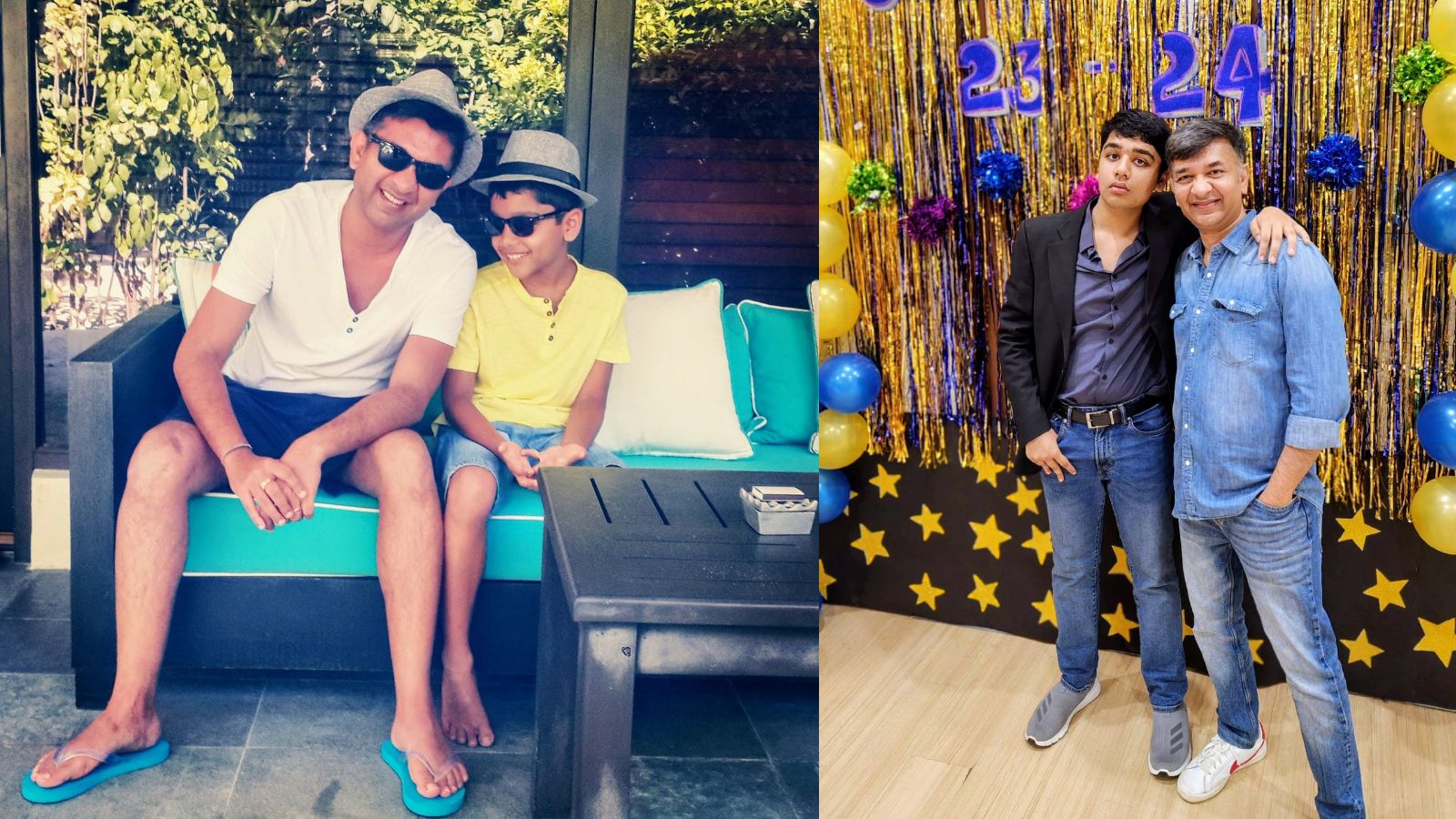
Question) Could you please take us through your son’s autism journey? When was he diagnosed, what were the initial worries for the family, how acceptance happened and how things have changed now? Also, his age and name please?
Answer) Our son, Risshan, is 21 now. He was diagnosed with autism when he was about two-and-a-half. Initially, I went through several months of denial. There was confusion, anger, guilt and the inevitable question: Why us?
Shital helped me understand and accept things better. We started learning, attending therapy sessions and discovering what worked for Risshan. We tried everything from medication, counselling, alternative healing, crystals, numerology, prayers… stopping just short of voodoo! Over time, we began celebrating his individuality rather than worrying about how different he was.
Also Read: Shivani and Vivaan: An Inspiring Autism Story From the UK
Music became a wonderful tool for him to express himself, manage social anxiety and connect with people. During the first lockdown, a fun father-son challenge to create 21 songs in 21 days eventually grew into a YouTube channel and a larger platform for celebrating neurodiversity. I also wrote a Children’s Book called ‘Goldiboy and the Three Apes’, inspired by him that introduces kids and adults to autism.
Today, I’m a late-diagnosed autistic adult myself. So, in many ways, we’ve been figuring each other out! We started out trying to understand our son’s autism. Somewhere along the way, I ended up understanding myself.
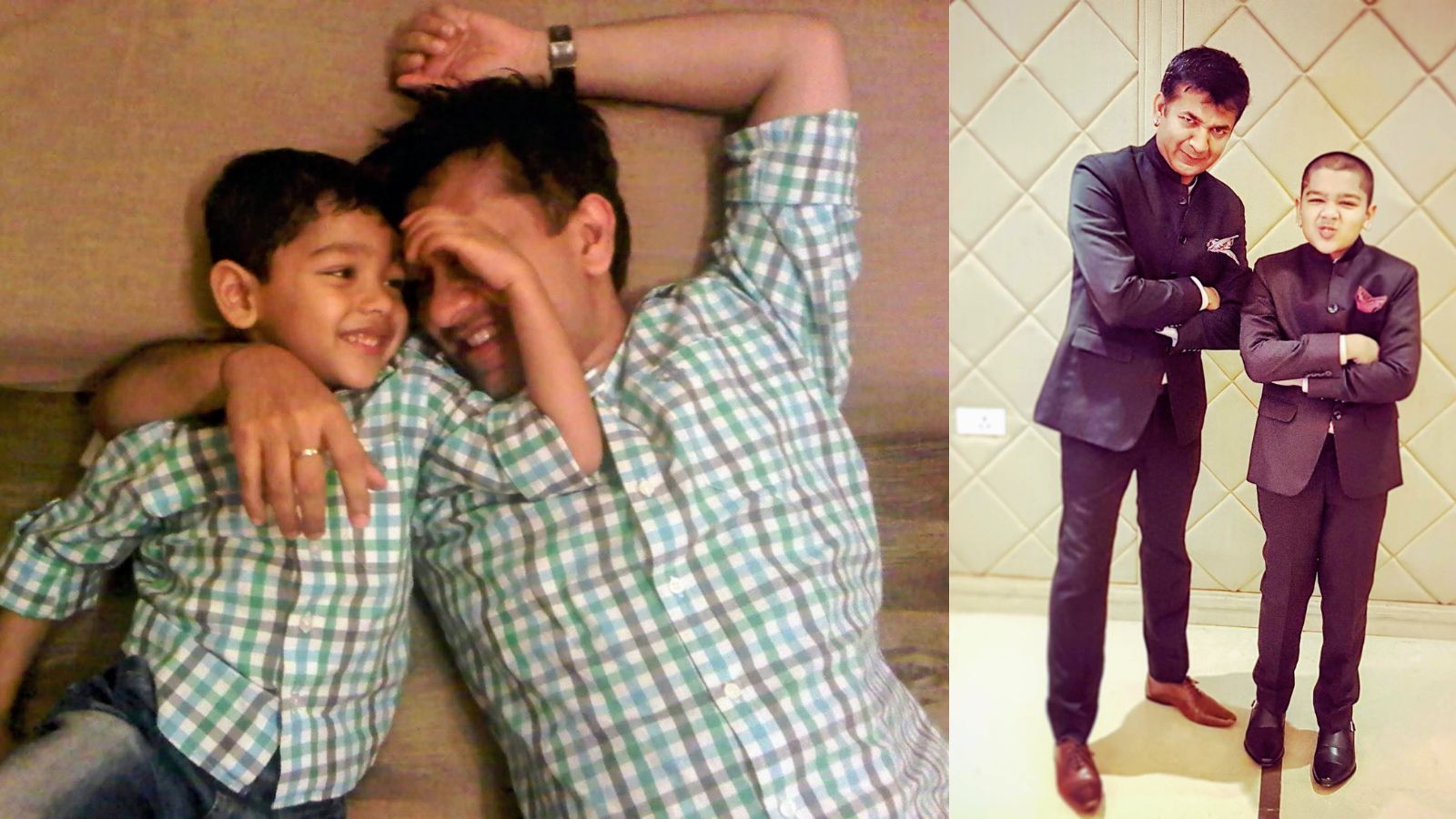
Question) You have spent 30 years shaping stories for brands and culture. How has becoming an autism dad changed the story you tell yourself about life, success and what truly matters?
Answer) I’ve spent most of my professional life telling stories, creating characters, building brands and chasing the next big thing. And then Risshan came along and gave me the biggest story of my life. Except, I wasn’t writing this one.
He has changed my idea of success, happiness and what really matters. I’ve become less obsessed with milestones and more appreciative of moments. He’s also taught me to be more authentic, less judgmental and a lot more accepting of differences. And then, at 50, I got my own autism diagnosis. Full, kahaani mein twist happened! I spent 30 years creating stories for a living. My son taught me how to live one.
Question) As a storyteller, you know the power of a well-crafted narrative. How did your child’s autism diagnosis challenge the script you had imagined for your family, and how did you learn to embrace a different story?
Answer) Like most parents, Shital and I had a fairly elaborate screenplay in our heads for our child. The milestones, the school, the friends, the career, the whole works. I guess, as parents, we often make the mistake of trying to live out our dreams, play out our movie through our kids.
Also Read: Raising a Child with a Limb Difference: How Dubai Influenced DIYAAHQ Founder’s Approach To Inclusion
Risshan’s diagnosis at two-and-a-half threw that screenplay out of the window. And honestly, I wasn’t ready for it. I went through denial, anger, guilt and a fair bit of self-pity. Over time, we stopped trying to fit him into our script and started understanding his. We discovered his love for music, performance, humor and his wonderfully authentic way of looking at the world. The trick isn’t to make your child fit into your story, but to enjoy the story they’re writing.
Question) Mothers often become the visible faces of autism caregiving, while fathers are expected to stay strong and provide. What are the emotional battles autism fathers fight but rarely talk about?
Answer) I think fathers often struggle with things they don’t necessarily know how to articulate. The fear of the future. The guilt of wondering if you’ve done enough. The helplessness of watching your child struggle with things that come naturally to others. And sometimes, the loneliness of feeling that you have to be the strong one, the problem-solver, the provider.
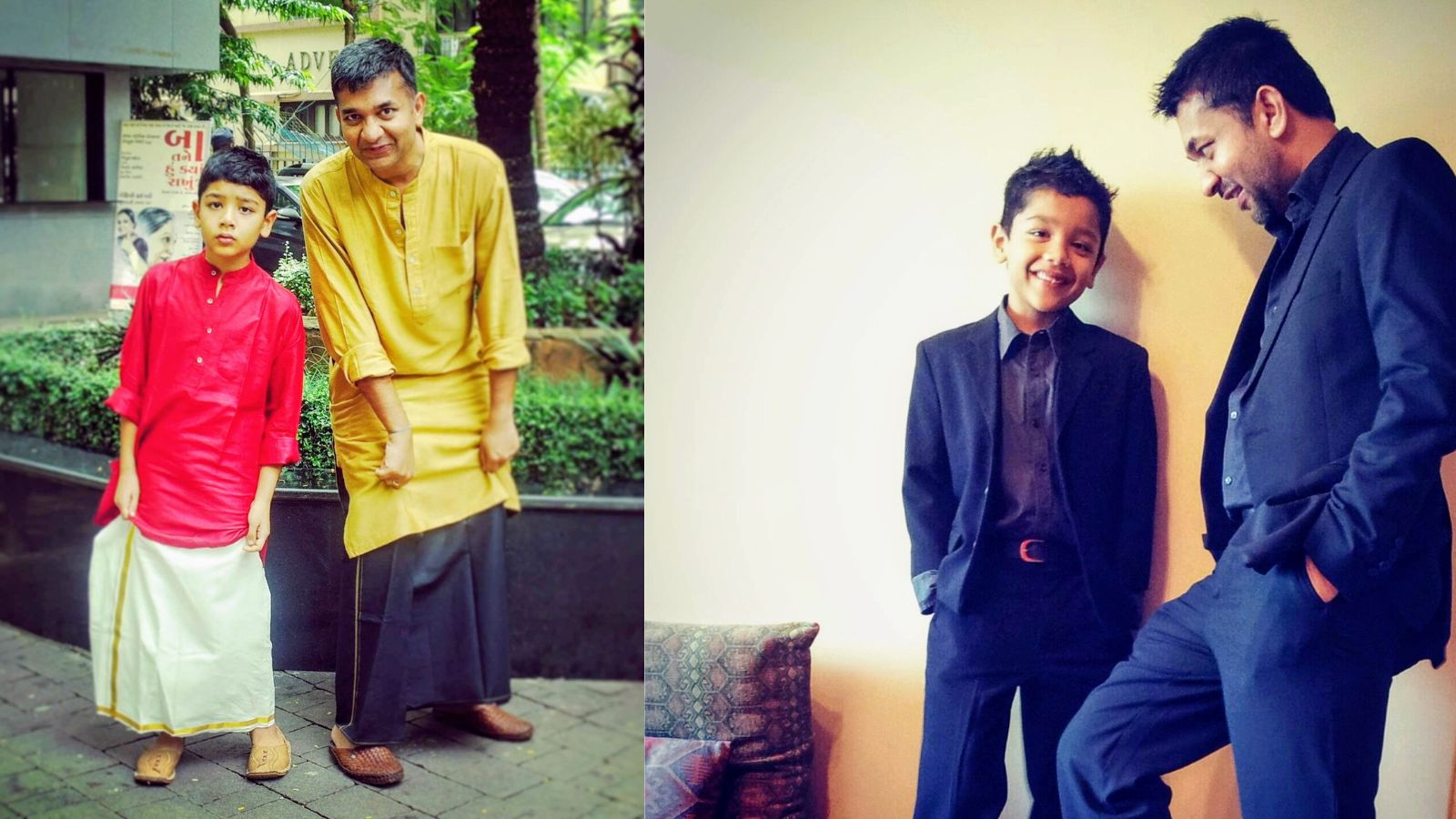
There’s also a strange pressure to keep functioning as though everything is business as usual. Go to work, close the deal, pay the bills, show up. All while your head is somewhere else. And yes, fathers need support too. We’re not emotional support structures made of reinforced concrete! Being the safety net doesn’t mean you’re never allowed to fall apart. Kabhi kabhi dads need someone to catch them too.
Also Read: An Ailing Wife, An Autistic Son And A Father’s Fight To Hold His Family Together.
Question) From WTF and MTV India to Yash Raj Films and award-winning campaigns, you have built an impressive career. Has parenting a neurodivergent child changed your professional ambitions, creative choices or definition of success?
Answer) It’s definitely changed what I find meaningful. I’ve been fortunate to work on some wonderful projects, campaigns, movies, brands. But now, I’ve also become much more conscious of representation and whose stories get told. I don’t believe every story needs to be a social message, but I do believe entertainment can make people more empathetic. Entertainment gives you width, but adding a layer of meaning adds the depth, that anchors every story.
So now every project we do has a tie-in with neurodiversity. It could be the catering on set from a cloud kitchen run by neurodivergent folks, it could be the AD/ Intern we hire for the project, the merch for the crew/ cast that we source from a special school. Or as simple as a % of earnings being committed. Usse raat ko neend bhi better aati hai.
The best kind of success is when something you’ve created makes someone else’s world a little easier to live in.
Question) Every parent wants to secure their child’s future, but autism can bring uncertainty around communication, independence, finances and lifelong support. What has been your biggest challenge as a father, and how have you navigated the moments when love alone didn’t seem enough?
Answer) Probably the realization that love, however unconditional, isn’t a strategy! You need knowledge, patience, the right interventions, support systems and sometimes the ability to accept that what worked yesterday may not work tomorrow.
Also Read: The Mother I Became After My Child’s Autism Diagnosis
One of our toughest moments was when Risshan’s mainstream school gently told us that continuing there might actually be setting him up to fail. Shital and I walked out and cried in the car. It felt like we’d failed him. Eventually, we understood that changing the environment wasn’t giving up on him. It was understanding him better.
We’ve learned to take one step at a time, celebrate small victories and keep recalibrating. Wahaan par, we were trying to push a square peg into a round hole. With the right environment, we could build a star-shaped hole around our star kid!
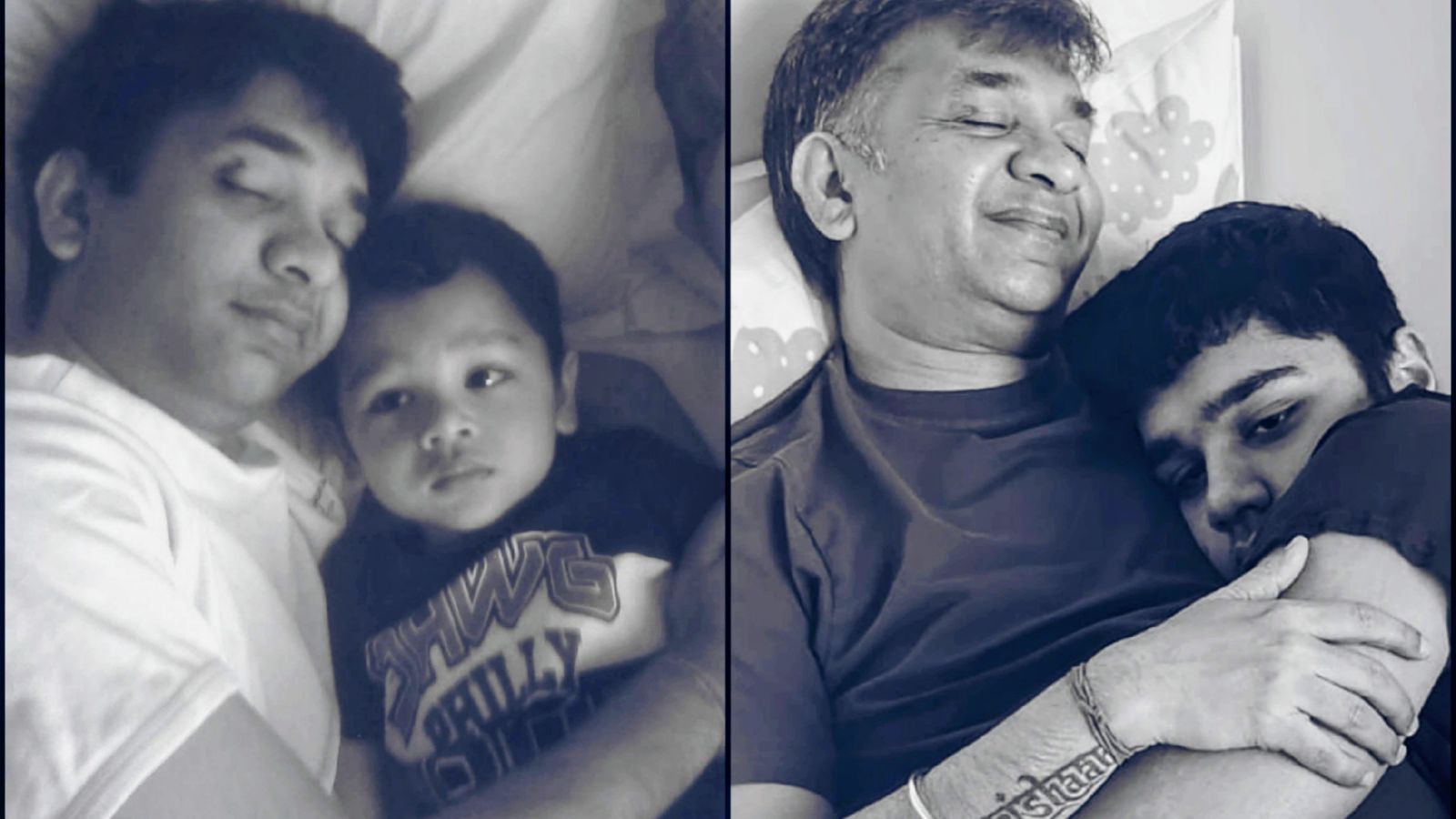
Question) You work at the intersection of branded content, storytelling, neurodiversity and culture. How can the advertising and entertainment industries move beyond token representation and help society genuinely understand and accept neurodiverse people?
Answer) Yaar, representation is so low… mutlab it is absent. But misrepresentation is worse. With disability mined for humor/ pity porn/ or inspiration porn. First, stop treating neurodiversity as a casting brief or a CSR opportunity. Representation cannot begin and end with one inspirational character, one awareness campaign or an autism-themed post every April.
We need more authentic characters, more stories told from the neurodivergent person’s point of view, and more neurodivergent writers, creators, actors and professionals involved in making them. And please, let’s move beyond the genius-savant stereotype. Not everyone on the spectrum is going to solve mathematical equations or play the piano like Mozart! Most importantly, make these stories entertaining. Humor, music, drama, romance, thrillers. The whole works. Don’t just put neurodivergent people in the story. Give them a voice in telling it.
Question) Most parents gradually step back as their children grow up. But for many with autism or for that matter fathers of special needs kids, caregiving may continue well into adulthood. Do you ever think about retirement—not from work, but from the responsibility of being your child’s safety net? What happens when you are no longer around?
Answer) Meri toh soch ke hi phat jaati hai. This is what keeps us up at nights. I think any parent of a child with additional support needs has wondered about this. What happens when we’re not around? Who will understand his quirks, his communication, his needs? Who will know when something is bothering him, even when he can’t articulate it?
It’s probably one of the more uncomfortable questions of parenthood. And the answer can’t simply be to hope that someone will look after our children. We need to build support systems, communities, relationships and opportunities for independence while we’re here.
Most autism families are so overwhelmed that they’re not able to look so far out into the future or plan for it. We’ve set up a trust and are now actively evaluating assisted living facilities for, after we are gone. I want Risshan to have a life, not just a care plan. I don’t want my son to spend his life being looked after. I want him to have a life worth living, with people who genuinely care.
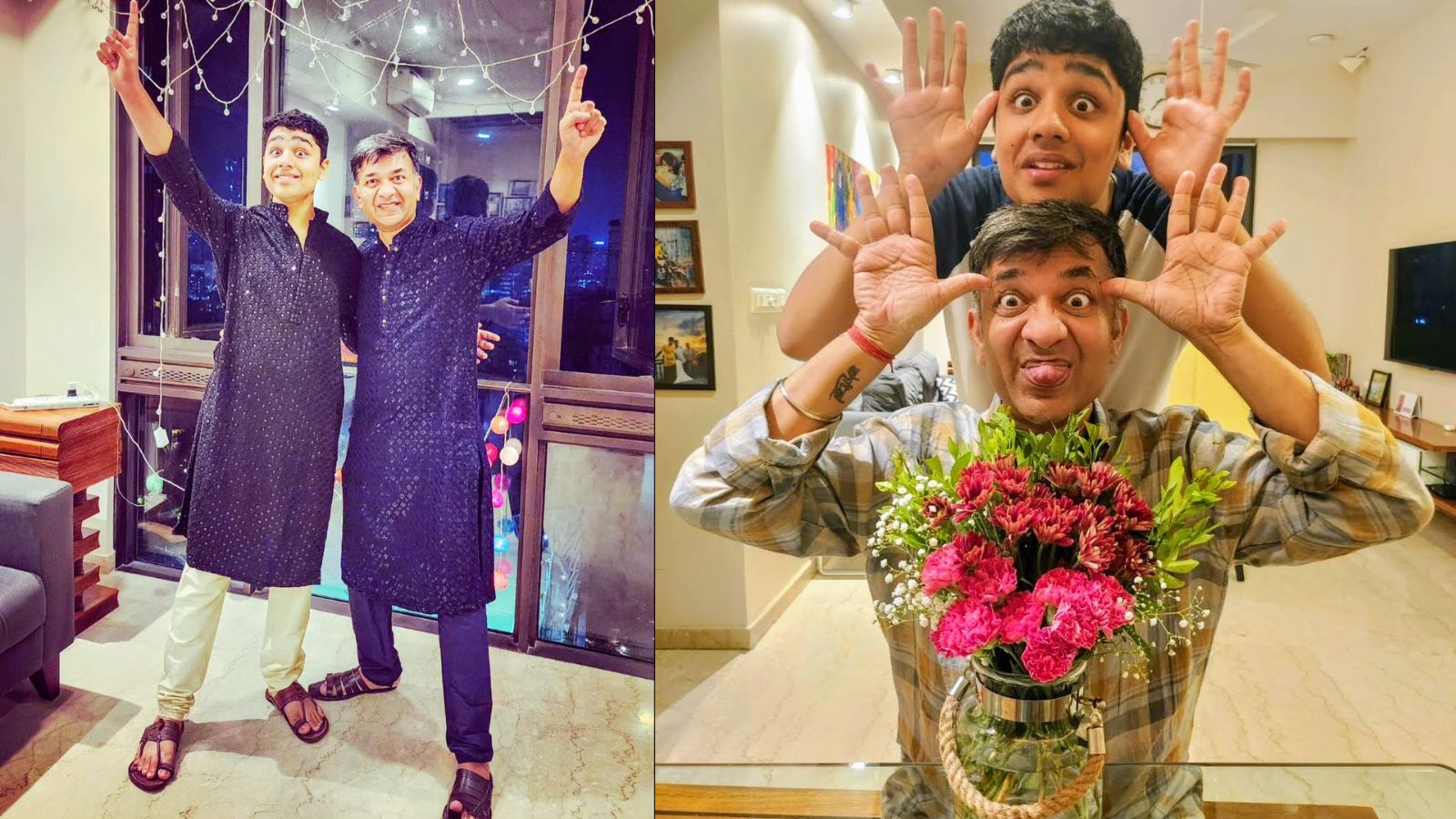
Question) Looking ahead, what are your hopes and plans for your child, for the neurodiversity community and for your own journey as a father? What needs to change today so that autistic adults can live with dignity, autonomy and meaningful support—and parents can look towards the future with less fear?
Answer) For Risshan, I hope for independence, friendships, meaningful work, music, laughter and the freedom to make his own choices. Not necessarily the life I imagined for him, but one that makes him happy.
For the community, we need to move beyond awareness towards actual inclusion. Better education, more employment opportunities, accessible public spaces, adult support systems and, most importantly, more opportunities for autistic people to participate in society on their own terms.
Also Read: How Special Olympics Is Changing the Meaning of Inclusion for People with Intellectual Disabilities
And for myself? To keep learning, unlearning and occasionally getting things spectacularly wrong. We don’t need to create a world where everyone is the same. We need to create one where nobody has to pretend to be. Sab log same hi hongay toh life kitni boring hogi!