
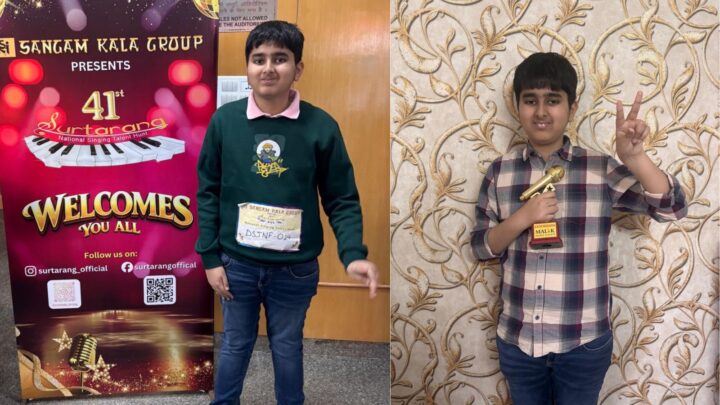
I got introduced to Swez Pandey through an event on neurodiversity held in Delhi. He was the first performer of the event and, when he started singing the song “Satyam Shivam Sundaram,” everyone around him was mesmerized in a matter of seconds. Every note was on pitch. Being calm and composed on stage, he appeared very much in tune with himself and his surroundings. When he concluded the performance, all that was left on the audience was a smile.
Later, I got the chance to meet his mother, Shalini Kumari, and congratulate her for her son’s amazing performance. This conversation helped me understand the life journey of Swez Pandey, whose diagnosis of mild autism happened in 2016 when he was two years old. Therapy started almost immediately from the day he got diagnosed, and by the age of two-and-a-half years, Swez Pandey learned all his words.
Also Read: Cannes Grand Prix to Autism Dad: How Ashiish V. Patil’s Son Changed His Definition of Success
Now, being 11 years old, he studies in Class 7 in Greater Noida West in mainstream education. After getting some help post-pandemic times, he has been studying independently ever since he was in Class 4, without a shadow teacher or additional assistance. His journey is also a reflection of his mother’s consistent efforts at home, where learning and encouragement have remained an everyday part of growing up.
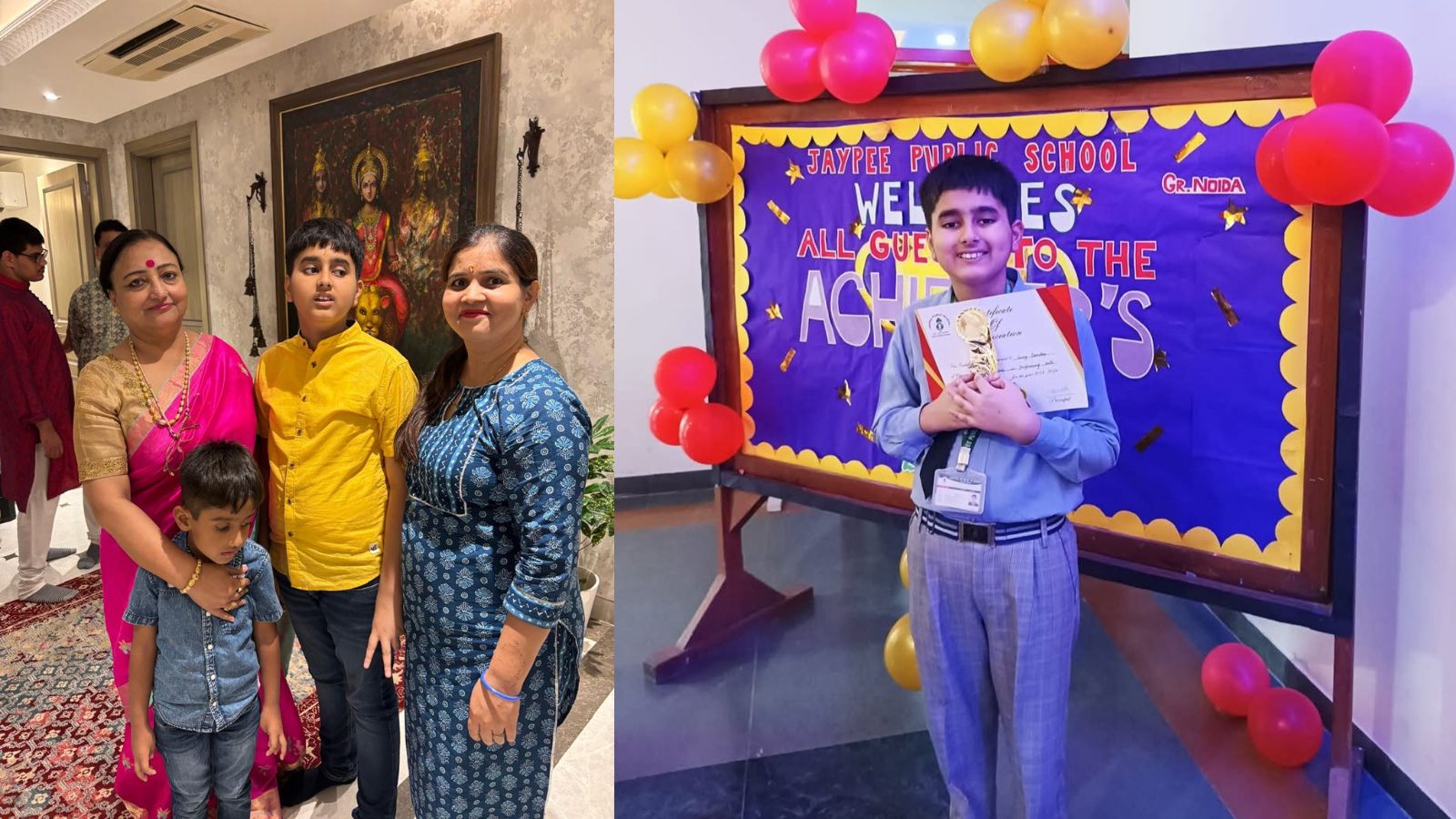
In this interview with All About Inclusive, Shalini Kumari gives insight into Swez’s early diagnosis of autism, how he is exceptionally close to music, the importance of therapy and constant support from parents, and how his love for singing and piano gave him confidence and helped him communicate. Swez’s journey from learning difficult Indian classical ragas to getting various awards in music is an example of how we can discover exceptional skills if we move our focus from a diagnosis.
Question) When did you first discover Swez’s love for singing? Was there a particular moment when you realised that music was more than just an interest for him?
Answer) We noticed Swez’s deep connection to music and the piano during his early childhood. The real turning point—when we realized music was truly extraordinary for him—was seeing his incredible ability to effortlessly memorize exceptionally long songs and master complex Indian classical ragas at such a young age.
Also Read: An Ailing Wife, An Autistic Son And A Father’s Fight To Hold His Family Together.
Question) Every child has a unique way of expressing themselves. How has singing helped Swez express himself, build confidence, or connect with the world around him?
Answer) Music has become Swez’s primary bridge to the world. Beyond being a form of expression, singing and playing the piano have brought a profound sense of calmness to his life. It has significantly improved his ability to focus, allowing him to channel his energy positively, build immense confidence, and connect beautifully with others through his performances.
Question) When Swez was diagnosed with autism, what were your biggest hopes and fears for his future? How has watching him flourish through music changed the way you look at his journey?
Answer) When Swez was diagnosed with mild autism at two years old, it marked the beginning of a long, challenging journey filled with intensive therapies and uncertainty about his future. However, watching him flourish in the world of music completely transformed our perspective. His immense talent turned our early fears into profound pride, showing us that his diagnosis is just one part of a much bigger, more beautiful story.
Also Read: Beyond Perception: Arin Paul on Challenging Society’s Assumptions About Visual Impairment
Question) Nurturing a child’s talent takes patience, encouragement, and sometimes looking beyond conventional expectations. What did you do to recognise and develop Swez’s musical abilities?
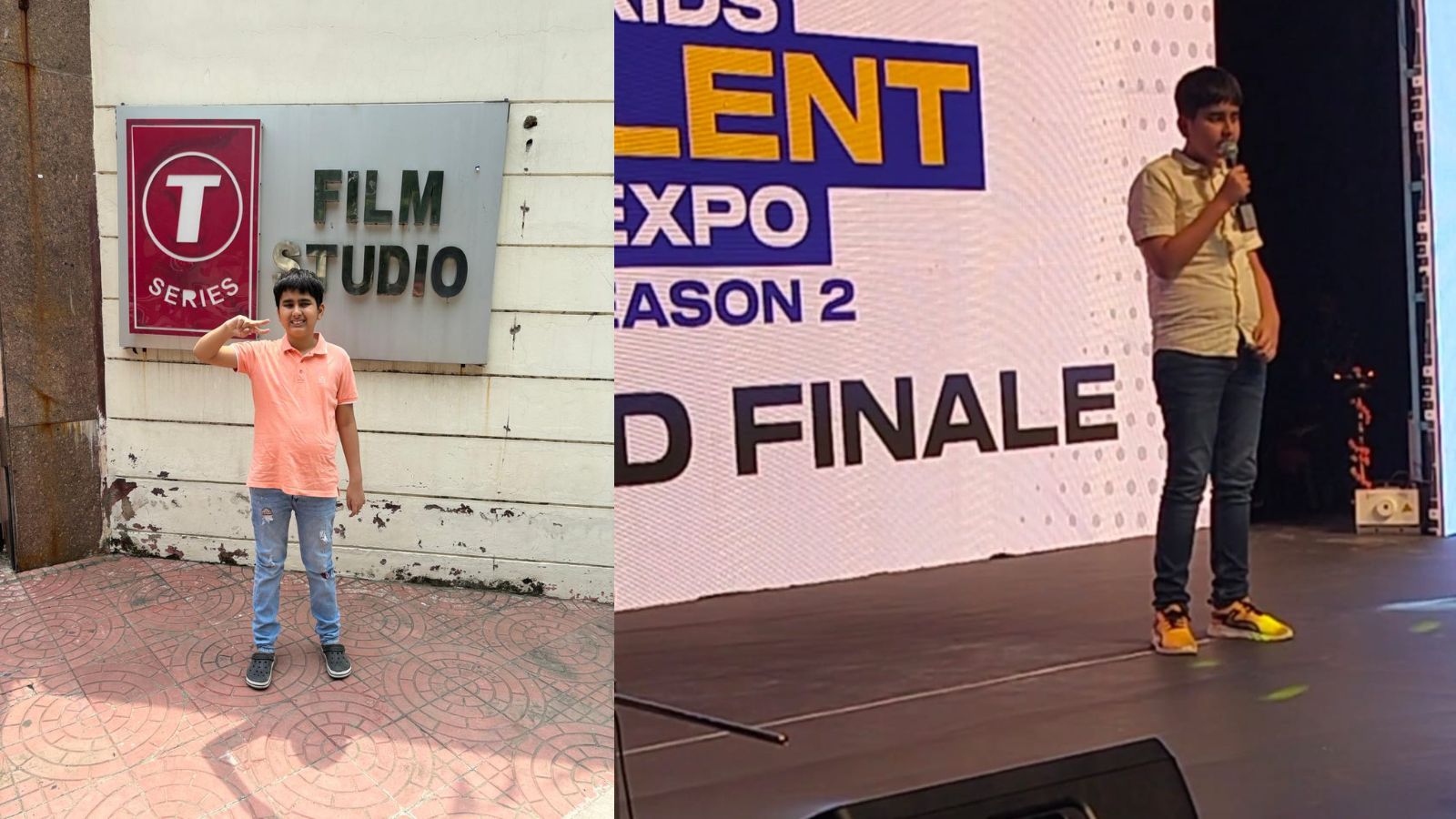
Answer) After paying close attention to his early interest in melodies, we chose to actively nurture his gift rather than focus solely on his conventional developmental challenges. We enrolled him in the T-Series Stage Works Academy, which professionally shaped his capabilities, refined his skills, and provided the structured environment he needed to truly thrive as a musician.
Question) Can you recall a performance or a moment in Swez’s musical journey that moved you deeply or made you see his abilities in a new light? What made that moment unforgettable?
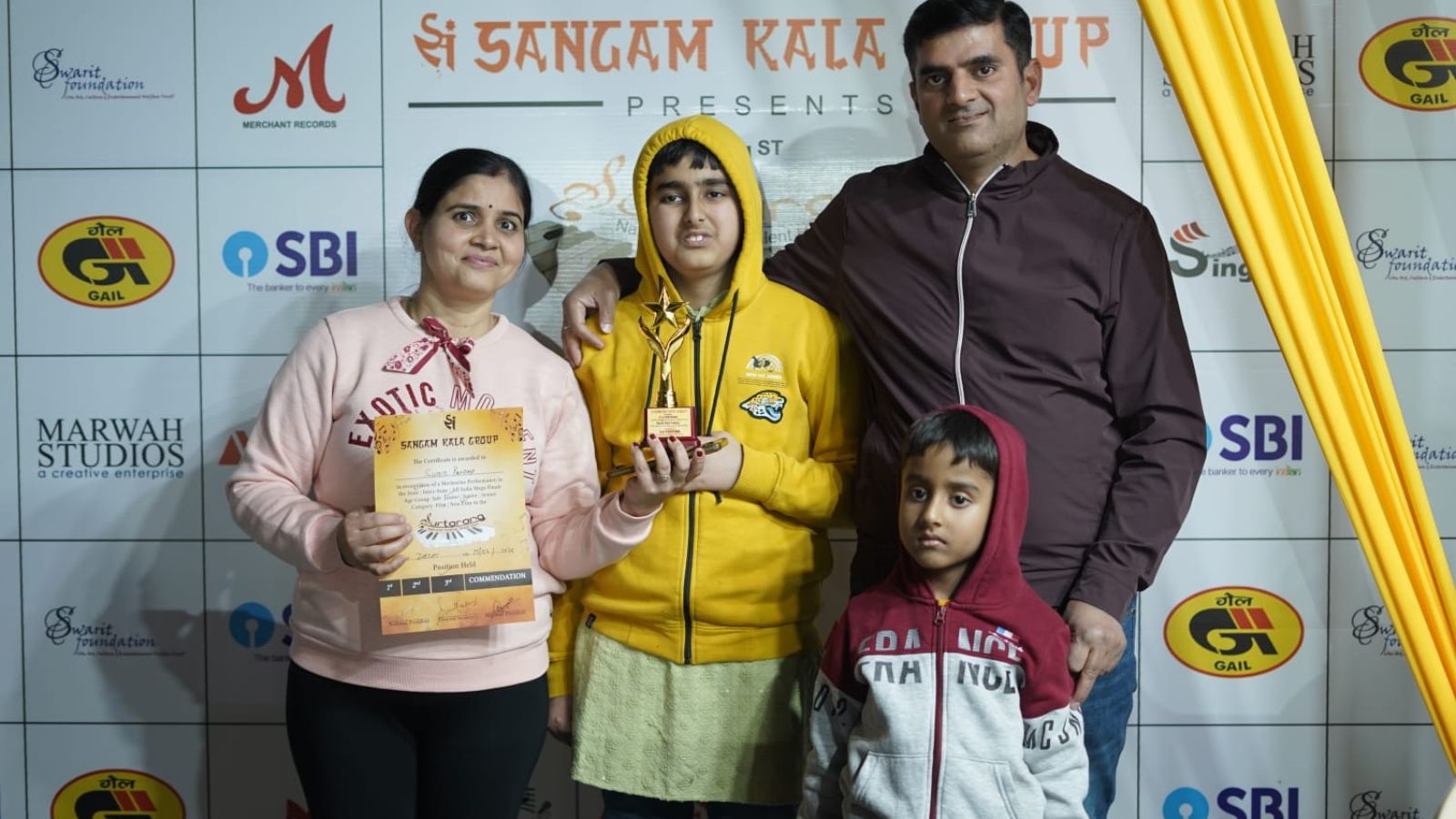
Answer) An incredibly moving milestone for us was watching him compete and win prestigious awards at major platforms like the Surtarag sangam Kala group’s Delhi NCR finalist and NCZCC Prayagraj musical event’s 1st award . Seeing him stand recognized for his pure talent on those stages was unforgettable, proving to us and the world just how limitless his abilities truly are.
Question) As parents of an autistic child, what challenges have you faced in finding opportunities for Swez to showcase his singing talent? Have people’s perceptions of autism ever influenced the opportunities offered to him?
Answer) The early days were filled with uncertainty, starting from when we first noticed unusual behaviors, consulted a peripatetic educator, and eventually received a diagnosis from Sir Ganga Ram Hospital. Navigating a world that often struggles to see past a label can be difficult, but Swez’s undeniable musical brilliance has consistently broken through those barriers and earned him the platform he deserves.
Also Read: Genital Stimming in Autism: Dr. R. S. Bagga Explains the Behaviour
Question) What would you tell parents who are so focused on their autistic child’s challenges that they may overlook their interests and strengths? What has Swez taught you about looking beyond a diagnosis and discovering the individual child?
Answer) We would encourage parents to look past the medical labels and truly observe what brings their child joy. Swez taught us that a diagnosis does not define a child’s limits. By focusing on his passion for music rather than just his challenges, we discovered his extraordinary individuality. There is a unique spark in every child; we just need to give them the right environment and patience to let it shine