Think about going hiking in the mountains with your kid with disability or perhaps going camping or on a nature vacation with him/her. The idea itself may be fun, but what about your worries – will the accommodation be appropriate, will the staff be able to cope with your child’s special needs, will the experience be comfortable instead of stressful for your kid because of sensory overload, mobility problems, or just the new surroundings?
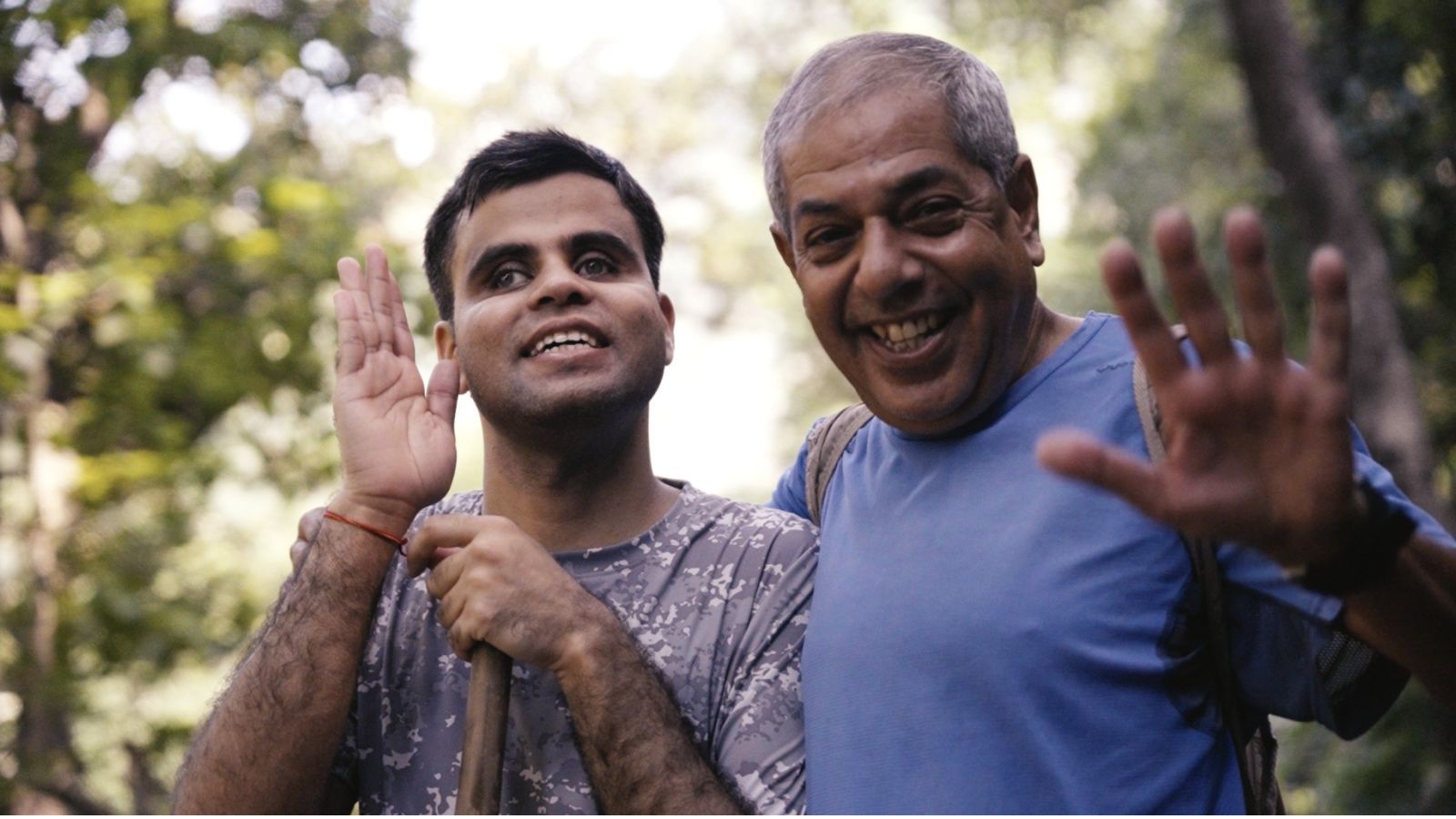
That is where Treks For All comes in. Fuelled by the belief that adventure is meant for everybody, the initiative offers adventures which are inclusive and accommodate the needs of everyone from the get-go. Whether this individual is like Ajay, a visually impaired guest who inspired the team to add Ladakh to their experiences through his love for exploration, Aarush, an autistic young painter who found a medium of expression through nature or even someone with paraplegia who came back to the sport of rafting despite a major accident, there have been enough examples of adventures made possible through Treks For All.
Also Read: Cannes Grand Prix to Autism Dad: How Ashiish V. Patil’s Son Changed His Definition of Success
Treks For All (TFA) is a collaborative initiative by Aquaterra Adventures, v-shesh and Metores Trust. Aquaterra brings decades of adventure and trekking expertise, v-shesh contributes its experience in disability inclusion and accessibility, while Metores Trust brings its commitment to social impact and inclusion. Together, they are making outdoor adventures accessible to all.
In this interview with All About Inclusive, Pankaj Wadhwa (founder – treks for all) talks about what makes Treks For All accessible to everyone and why trekkers with different disabilities keep coming back to be part of its adventures.
Why adventure should belong to everyone
Treks For All was born from a simple belief: adventure should belong to everyone.
The outdoors offers a sense of freedom, confidence, connection and possibility that everyone should have the opportunity to experience. Yet, for persons with disabilities, caregivers and others who face barriers to participation, outdoor adventure has often remained out of reach; not because they lack the desire, but because the necessary support, planning and infrastructure are rarely in place.
Also Read: He Was Called Deaf and Mute, Today Namit Is Thriving on His Autism Journey
The idea took shape through the coming together of three organisations with different but complementary strengths. Aquaterra Adventures, with three decades of experience as a pioneer in adventure travel, brought deep expertise in the outdoors, trekking and safety. Yet, it had not previously hosted guests with disabilities on its adventures. v-shesh, we had spent over 15 years working to advance disability inclusion across areas such as education and employment. This led to reflect on a larger question: if inclusion was increasingly being recognised in education and workplaces, why was the world of outdoor adventure still largely inaccessible?
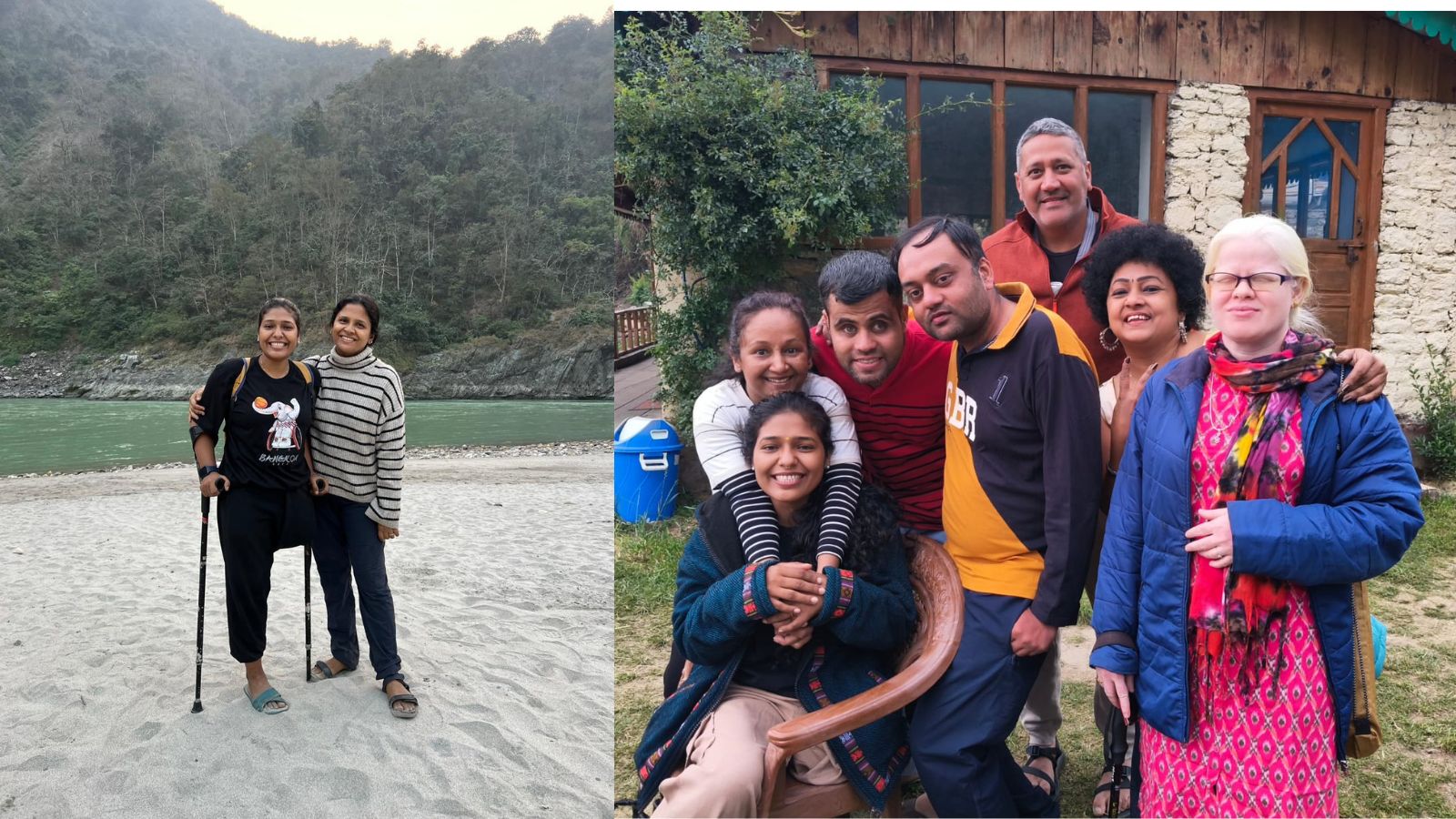
Pankaj Wadhwa of Metores Trust played a pivotal role in bringing this idea to life. Having observed how countries such as the US, UK, Canada and Israel had been creating inclusive trekking experiences for years, he posed a simple but powerful question: Why not the Himalayas? That question became the catalyst for a collaboration between Aquaterra Adventures, Metores Trust and v-shesh, driven by the shared belief that the benefits of nature and adventure should not be limited by physical, sensory or cognitive differences.
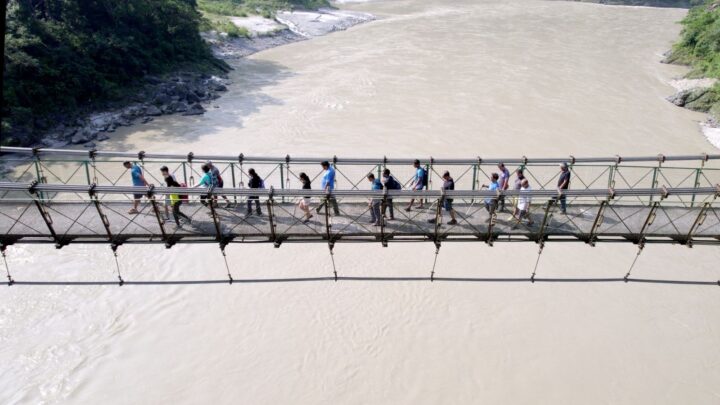
“Our defining moment came during our first pilot trek in May 2025. Six blind trekkers, a young boy with autism, two amputees and four buddies came together for an experience that culminated in reaching a summit. Watching people with different disability experiences take on the challenge together was deeply powerful. It challenged assumptions about what was possible and demonstrated what could happen when the right preparation, support and safety measures were in place.
“That first trek was more than a successful expedition; it validated the very reason we had come together. We wanted to move beyond the idea that persons with disabilities must remain spectators in outdoor experiences. We wanted to create opportunities for people to explore, challenge themselves, build friendships and experience the outdoors on their own terms,” says Pankaj.
That is the spirit behind Treks For All. They bring together adventure expertise, disability inclusion experience and a commitment to creating thoughtfully planned, safe and welcoming outdoor experiences for people across abilities and backgrounds.
“For us, inclusion is not about making the adventure smaller; it is about making the opportunity bigger. It is about challenging conventional thinking about disability and creating opportunities for people to experience the outdoors, discover their potential and redefine what they believe is possible.” — Shashaank Awasthi, Founder, v-shesh.
Also Read: Shivani and Vivaan: An Inspiring Autism Story From the UK
Overcoming the barriers to outdoor adventure
In their opinion, the biggest challenge is that disability and adventure are rarely seen as belonging together. Persons with disabilities and their families may not consider trekking or outdoor activities a realistic option. Donors may not prioritise such experiences, while service providers often lack the expertise, adaptive equipment, infrastructure and funding to make them accessible.
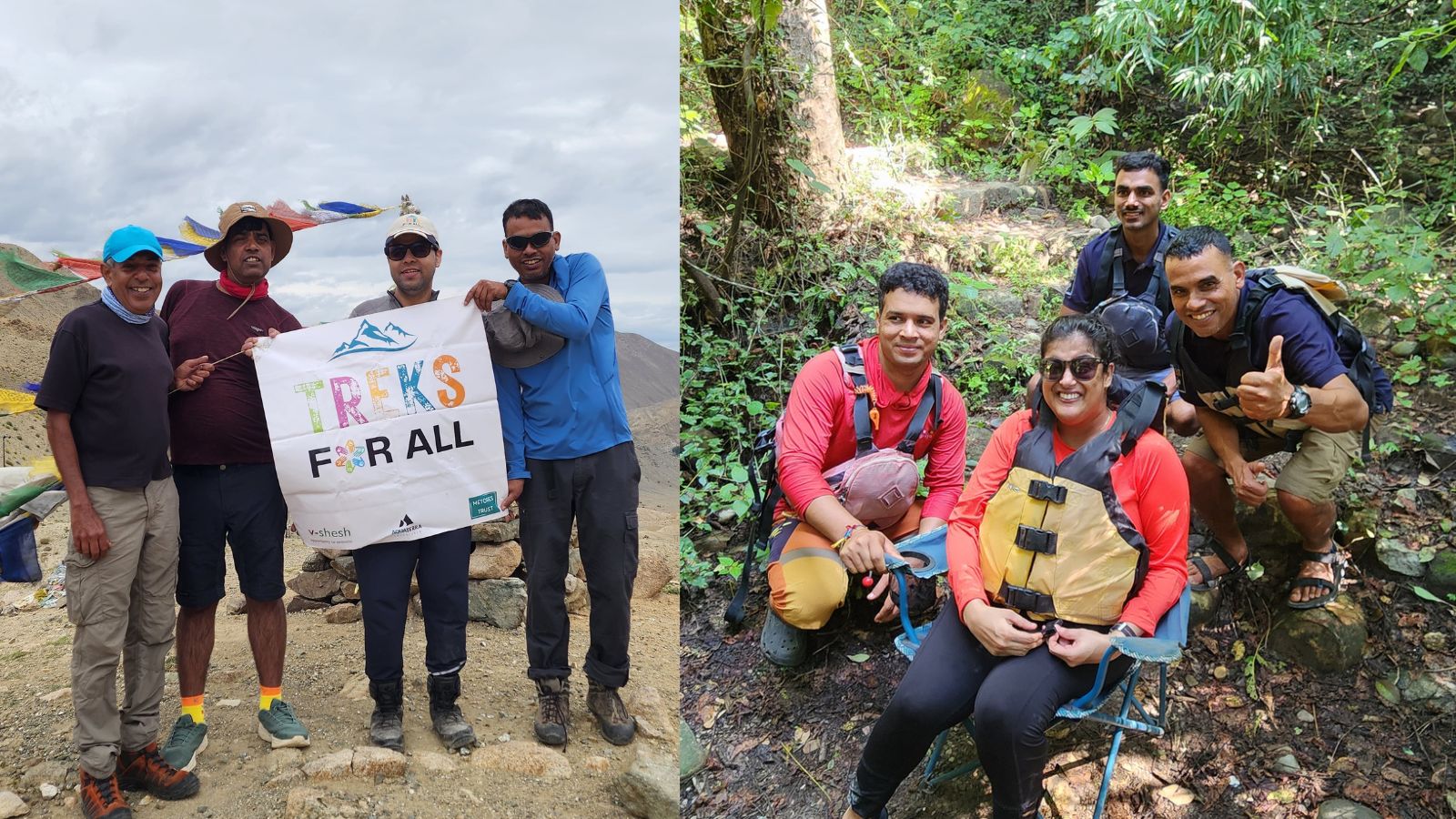
“At Treks For All, we build inclusion into every stage of the experience, from route selection and logistics to trained guides, buddies and on-trail support. Since every individual’s needs are different, we adapt our approach rather than expect everyone to participate in the same way,” says Pankaj.
“For trekkers with visual impairments, we use a knotted-rope system, with guides providing verbal cues about changes in terrain. When one fellow trekker felt uncomfortable using the rope, we arranged a one-on-one buddy instead. On another trek, a boy with visual impairment who had never used a white cane for mobility began developing this skill. The experience also helped him become more comfortable with his disability and connect with a community of people who shared similar experiences.
We have also had a team member who uses a prosthetic leg and needed to rest between stretches of walking. She would remove her prosthesis when required, and the group would happily wait. At no point was she made to feel that she was holding others back. The focus was on enjoying the experience together, not racing to the summit,” he adds.
Also Read: Raising a Child with a Limb Difference: How Dubai Influenced DIYAAHQ Founder’s Approach To Inclusion
Beyond physical and logistical barriers, low confidence and the fear of not being able to participate can be just as significant. Experienced guides and supportive buddies help address this by adapting activities, offering reassurance and allowing participants to progress at their own pace, without compromising safety or dignity.
When someone completes an activity they once thought was beyond them, they return with more than a sense of achievement; they often carry greater confidence in themselves into their everyday lives.
“Ultimately, we want to challenge the assumptions that keep people away from adventure and demonstrate that, with thoughtful planning, appropriate support and a willingness to adapt, outdoor experiences can become accessible to many more people with disabilities.” — Vaibhav Kala, Founder, Aquaterra Adventures
Making outdoor experiences comfortable for children with disabilities
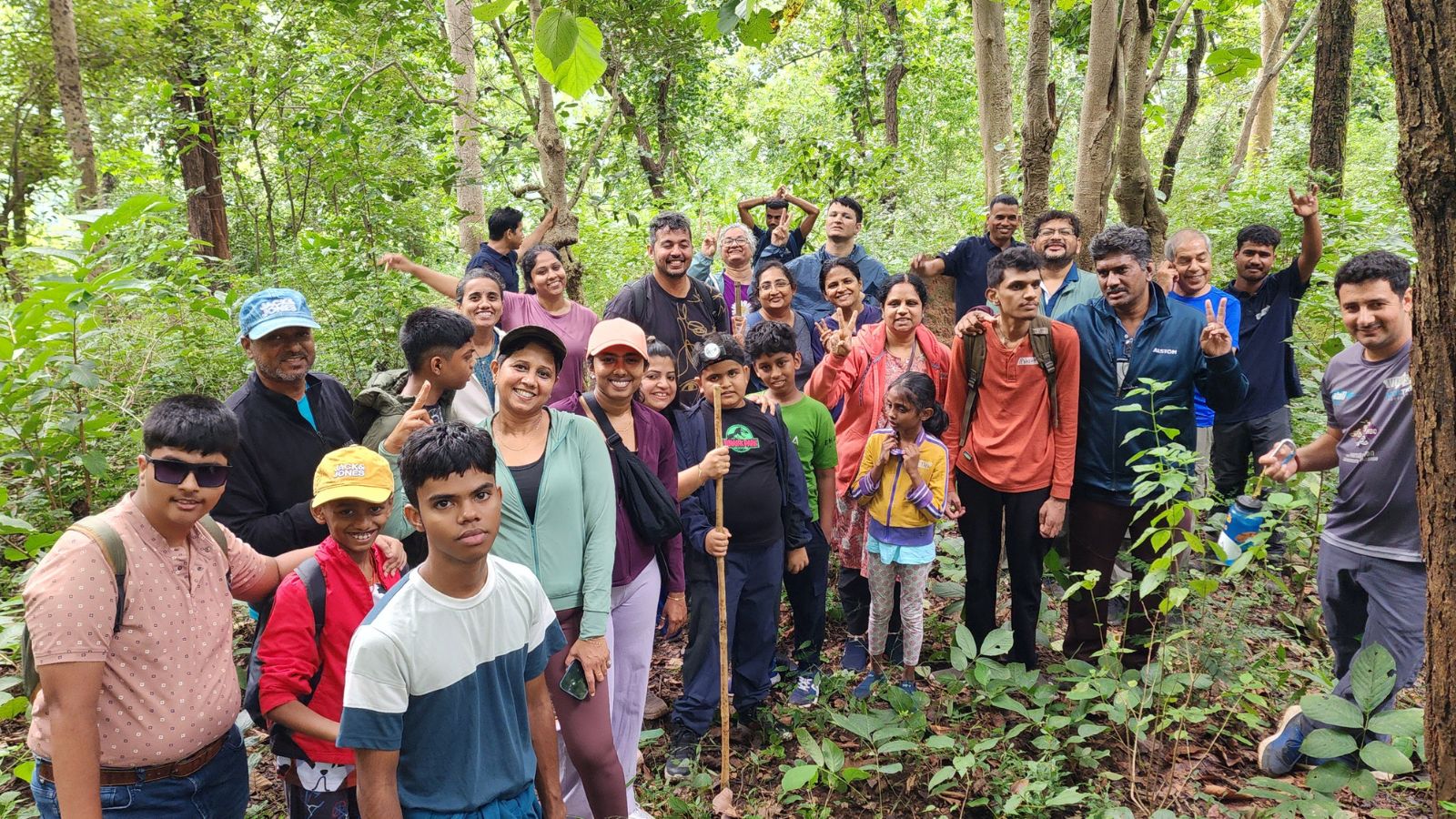
They have hosted several children with disabilities, particularly neurodivergent children with autism, ADHD and learning disabilities, as well as children with cerebral palsy. Their principle is simple: “we adapt the experience to the individual, rather than expect the individual to fit into the experience.”
“We begin with detailed conversations with parents, who know their child best, to understand their communication style, sensory needs, triggers, food preferences, allergies, hygiene requirements and what makes them feel comfortable or overwhelmed. We also anticipate potential challenges and plan for contingencies. Activities are designed to be flexible and engaging, with room for breaks or changes when needed. The aim is to make the experience about play and exploration, not a test of the child’s abilities,” says Pankaj.
Also Read: An Ailing Wife, An Autistic Son And A Father’s Fight To Hold His Family Together.
They also sensitise the entire team, select experienced guides and brief staff on responding calmly and sensitively to different behaviours. For instance, a child with autism may stim or engage in repetitive movements to self-regulate. Our team understands the importance of respecting this without drawing unnecessary attention to the child or making them feel uncomfortable.
“One of our biggest wins was when a mother told us she could sleep peacefully while her child was with our team. For a parent who is constantly on alert, knowing their child is safe, understood and cared for enough to let go and rest is invaluable. It reminded us that the impact of Treks For All extends beyond the child to the entire family.” — Rashi Soman, Founding Team Member, Treks For All
They begin with a conversation with parents to understand their child’s needs and address their concerns. This includes discussing mobility, sensory sensitivities, communication, potential triggers and the support that helps the child feel comfortable.
Also Read: How Special Olympics Is Changing the Meaning of Inclusion for People with Intellectual Disabilities
“We select suitable routes and activities, brief experienced guides and the wider team, and plan accommodations in advance. For children with mobility needs, we consider the terrain and assistance required. For sensory needs, we build in flexibility, breaks and quieter moments, allowing children to participate at their own pace. We also prepare for unexpected situations so the team can respond calmly and appropriately. Our goal is to balance safety with the freedom to explore. We want children to enjoy the outdoors without feeling pressured to keep up or complete every activity. Equally, we want parents to feel confident that their child is in a supportive environment,” says Pankaj.
The stories that make every adventure worthwhile
The biggest win at Treks For All is simple: people keep coming back. Nearly 60% of our guests are repeat participants. For us, that says more about belonging than any summit ever could.
- The girl who kept coming back: A girl with albinism and a blood disorder travelled for over 48 hours across three modes of transport to join us. She kept returning ( 3 times over 1.5 years) because Treks For All had become a place where she felt she belonged.
- Ajay, who helped us dream bigger: Our first guest, Ajay, who is visually impaired, challenged our assumptions through his aspirations and desire for adventure. He pushed us to think bigger, eventually taking Treks For All to Ladakh.
- Saralx’s first team offsite: Blind and sighted colleagues came together on Saralx’s first team offsite with us. On the trail, workplace roles gave way to shared experiences, trust and genuine connection.
- Trusting the journey: Saurabh, who is blind, shared that not seeing the steepness meant trusting those guiding him. It was a powerful reminder that adventure is as much about trust as it is about the destination.
- When buddies are transformed: Vidur came expecting to support participants but left inspired by them. Another buddy, now based in Singapore, found the experience healing and said many of his own prejudices dissolved. Inclusion changes everyone involved.
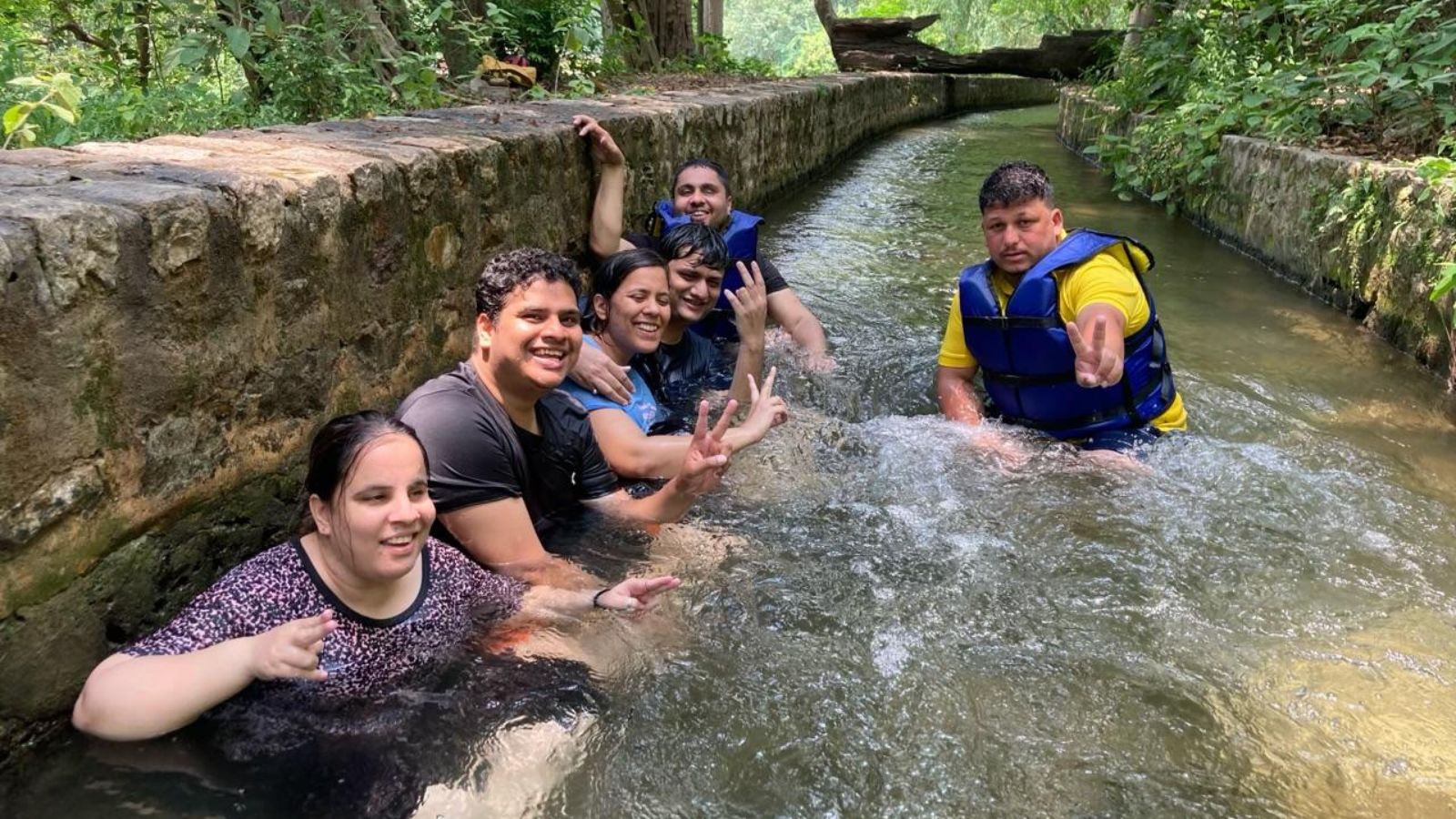
- Back on the water: A participant with paraplegia went rafting for the first time after his accident