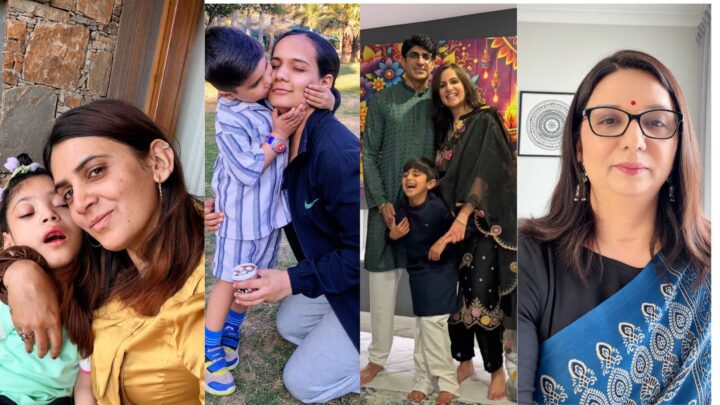
For some families, Diwali signifies the decoration of houses, gathering of family members, exchange of sweets, rituals and festivities through firecrackers. But for parents of neurodivergent children and children with disabilities, the same celebrations can bring a different set of worries. Will the firecrackers be too noisy for their kids causing an overstimulation? Will the strange environment along with the gathering be disturbing for them? What will happen if they don’t participate in a particular ritual, cannot sit through a prayer, or simply want to leave before everybody else? How often do families feel the need to explain the behaviour of their child rather than enjoying the festivities?
The truth is, inclusion doesn’t require grand gestures or a complete change in traditions. Sometimes, it starts with small changes, respecting children’s boundaries, giving them choices, and allowing for different participation.
Also Read: Cannes Grand Prix to Autism Dad: How Ashiish V. Patil’s Son Changed His Definition of Success
We have asked autism advocates, moms, and experts in the field to answer the following question: “What are some simple but impactful things that could be changed in Diwali celebrations for neurodivergent children and individuals with disabilities to feel comfortable and enjoy the festival without getting overwhelmed?”
This is what they said.
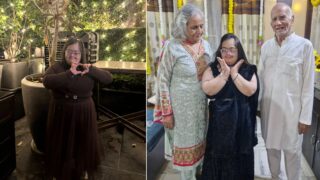
Chandigarh-based Preeti, mother of seven-year-old Anaishaa.
“As a mother of a special child, I feel that Diwali should not just be about lighting up our homes, but also about lighting up someone’s heart. Some children cannot run around, burst crackers, or express their happiness like other children. But that doesn’t mean they don’t deserve to experience the magic of Diwali. Sometimes, a little kindness, a peaceful environment, fewer loud crackers, a warm smile, or simply including a child in family celebrations can make a huge difference. I wish people would understand that our children don’t need sympathy.
Also Read: Preeti’s Journey Raising Anaishaa with Cerebral Palsy, Hydrocephalus and West Syndrome
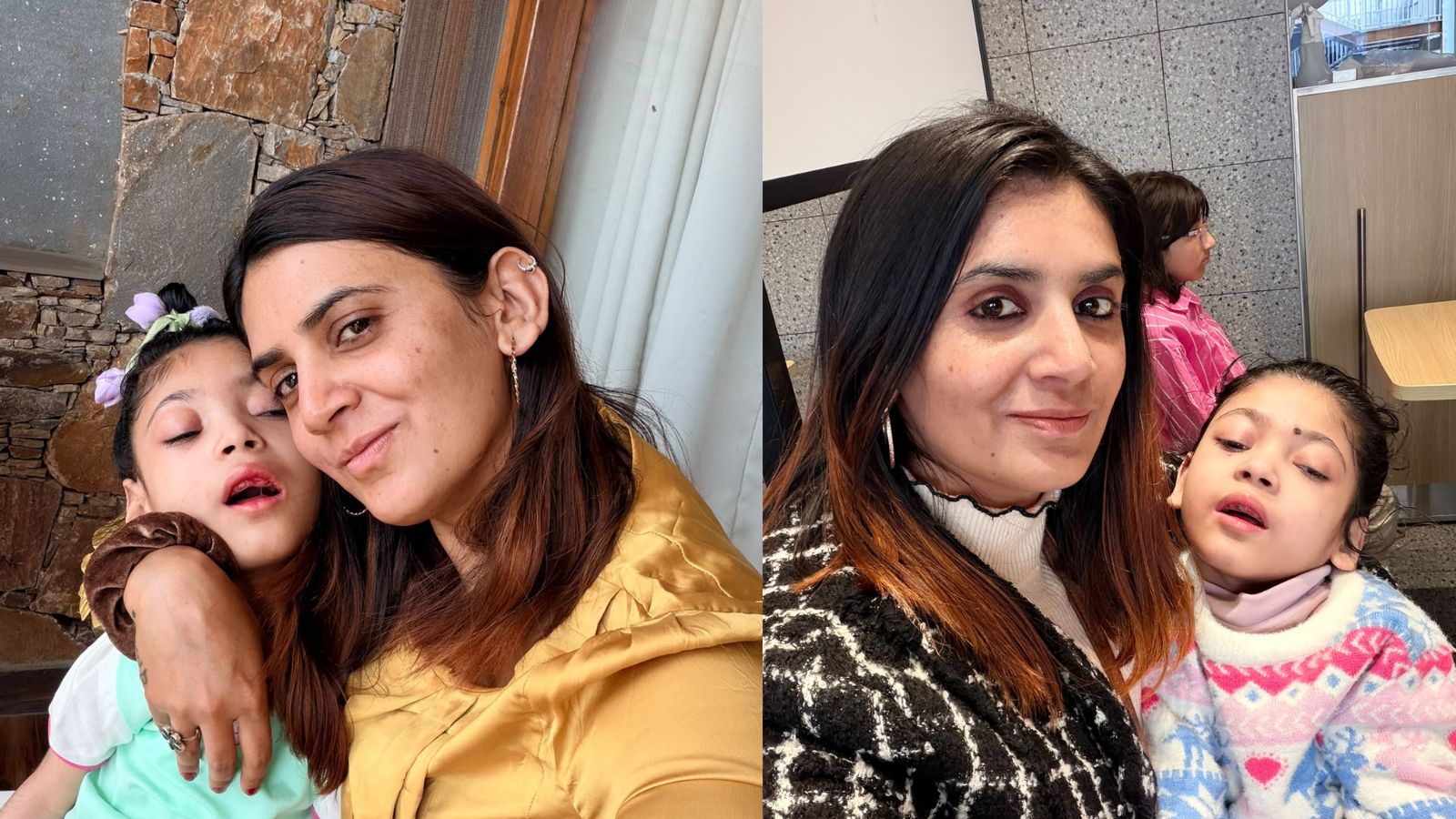
They need love, acceptance, patience and a place where they truly belong. We decorate our homes with thousands of lights, but what if this Diwali we also light up the lives of children who are too often forgotten? Because the most beautiful Diwali is not the one with the brightest lights, but the one where every child feels loved, valued and included.”
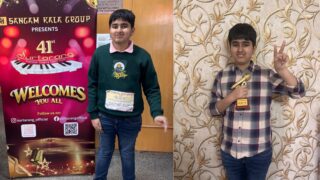
Shivani Raghav, Mother of 5-year-old Guru
“Diwali becomes truly inclusive when we stop forcing neurodivergent children to adjust to our celebrations and instead learn to make small adjustments to suit their needs. Don’t force them to participate in every ritual. Their comfort and emotional regulation are far more important. For example, Guru loves colours, so making Rangoli is a wonderful opportunity to engage him and let him enjoy the festival in his own way.
Also Read: How Home-Based Autism Therapy Helped Little Guru Thrive Against the Odds
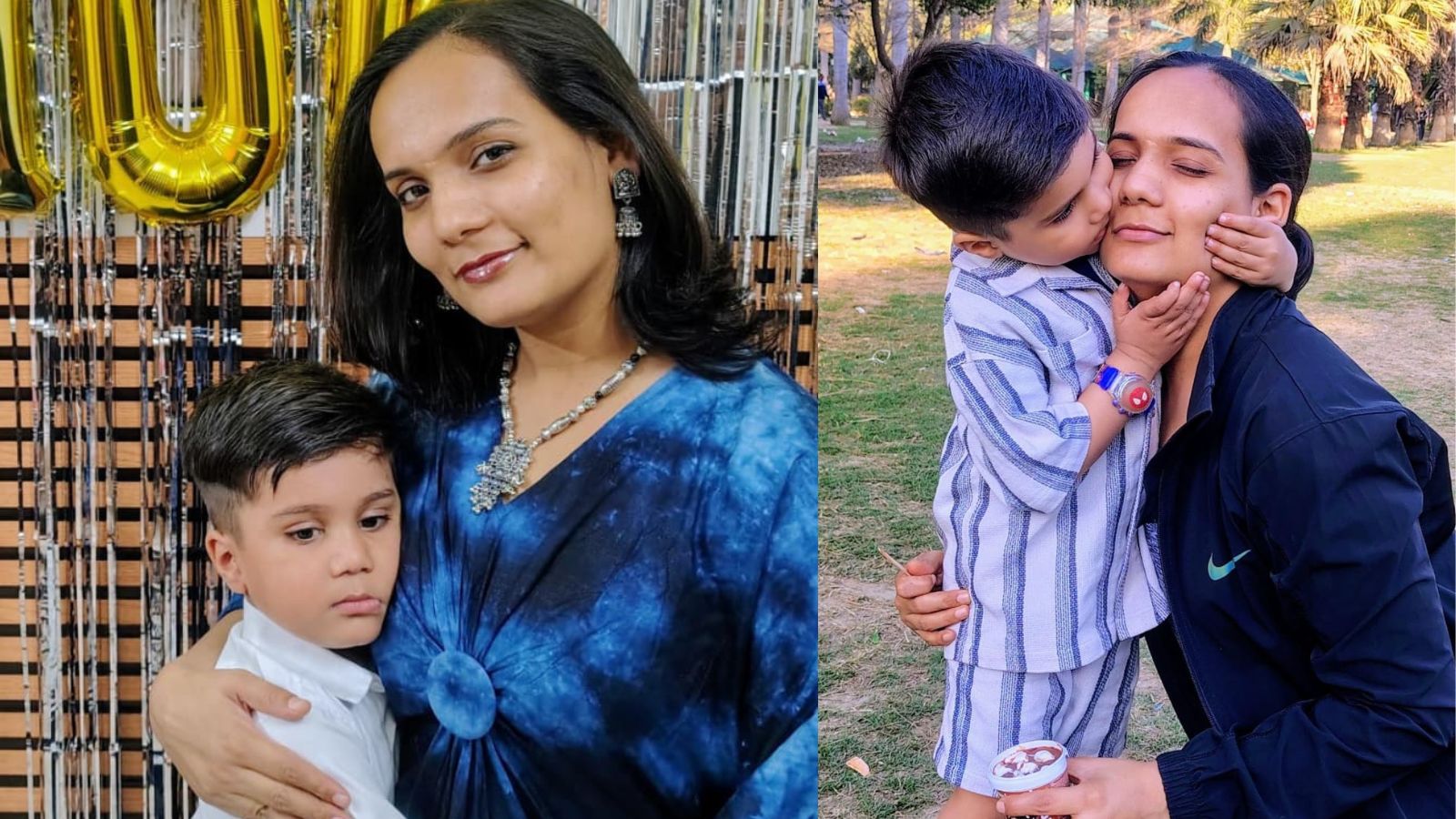
“We can include activities based on their special interests and make celebrations meaningful for them. But at the same time he avoids tilak on his forehead. From the day of Guru’s diagnosis until today, one thing I have learned is that our anxiety and constant worry can overwhelm our children, but our love, patience and acceptance have the power to heal both them and us. Inclusion begins with understanding, and celebration begins with acceptance.”
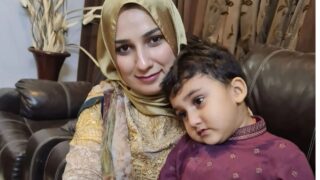
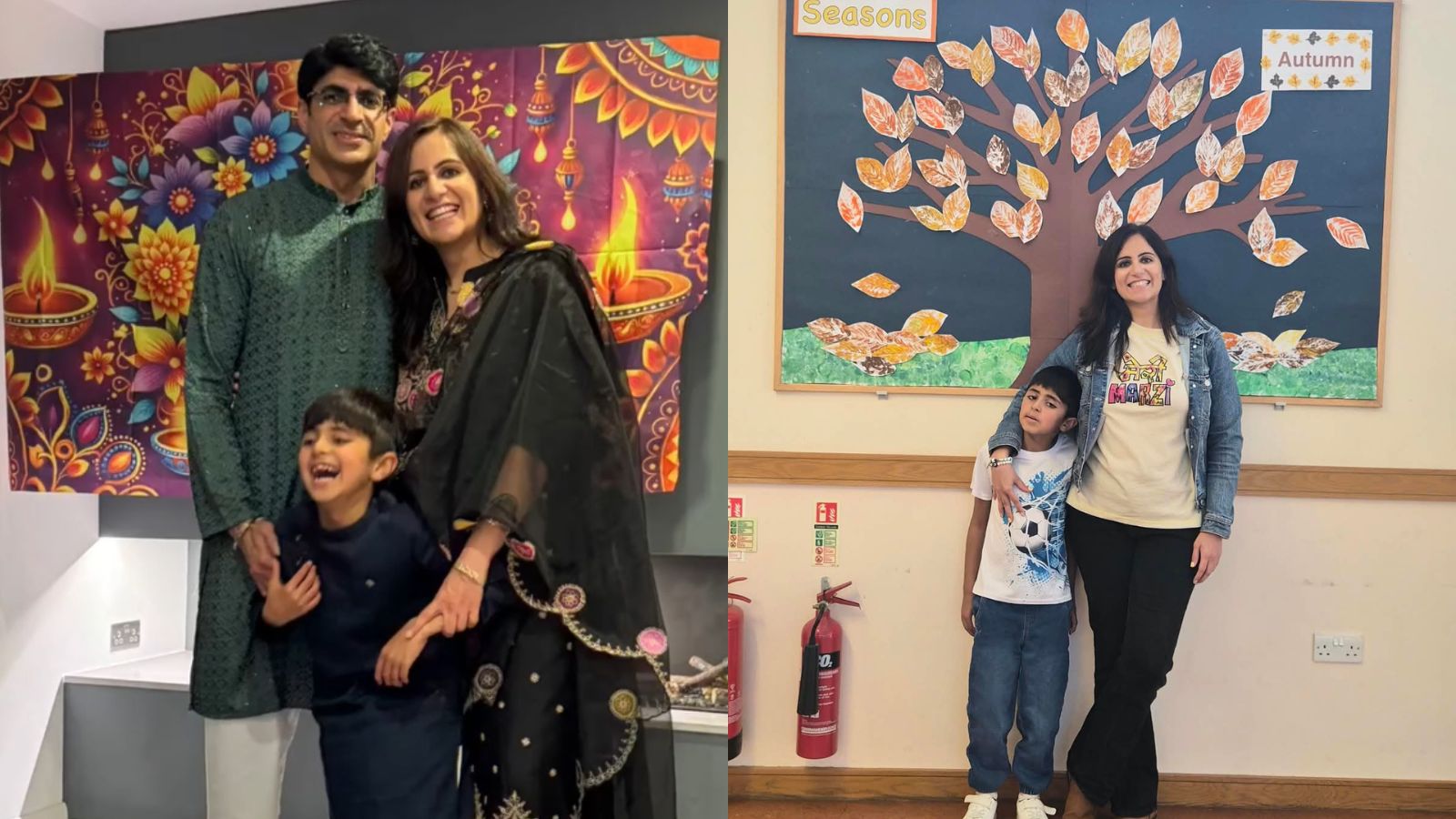
UK- based Shivani Manghani and Vivaan
“Diwali can be extremely overwhelming for our kids. However, to involve them we’ve always had low noise, low light dance parties with our close family and friends that understand and accept them completely. We usually see the fireworks from indoors with the windows closed and that’s okay. As long as they enjoy the festival, enjoy eating a lot of traditional sweets and savouries and understand the meaning behind the ritual and culture that’s more than enough for us. Happy Diwali to all.”
Also Read: Shivani and Vivaan: An Inspiring Autism Story From the UK
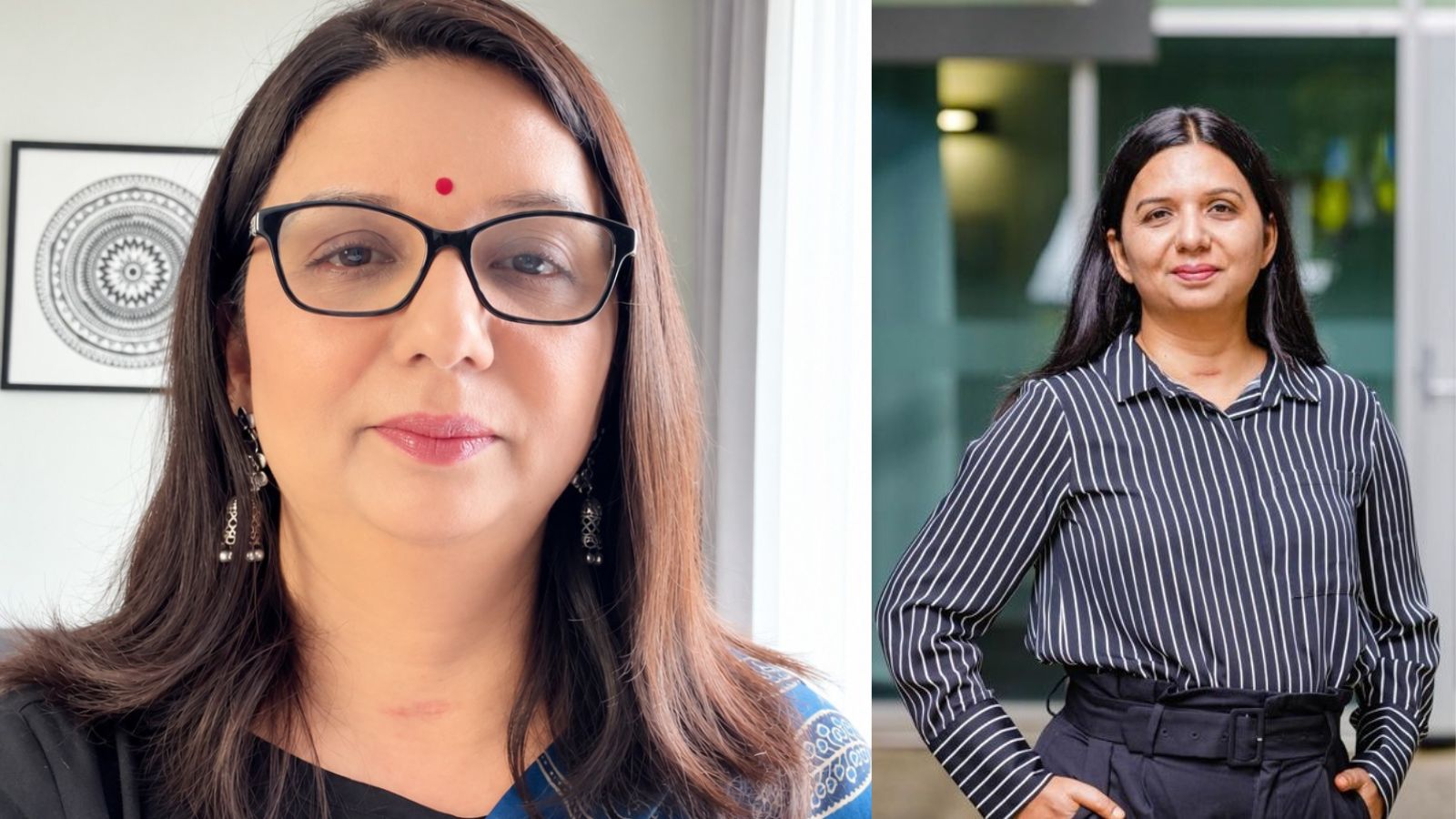
Dr Preeti Deven Vayada- Brisbane-based PhD holder and a special educator with over a decade of experience in the field.
“Zaroor aana, mazaa aayega!” The Diwali invitation is warm. Making that welcome work for people with different needs takes more than those words. For someone overwhelmed by noise and unfamiliar faces, knowing there’s a quiet space to take a break can make a difference. Warn before lighting crackers—not after the first bang.
Also Read: What Children With Autism, ADHD Really Need at School: Brisbane-Based Special Educator Explains
“Someone may enjoy the aarti without holding the thali, or the gathering without joining every photograph. That still counts as celebrating. And when it is time to leave, skip the persuasion. Diwali hospitality isn’t measured by how long someone stays, but by whether they felt part of the celebration.”
Maybe making Diwali inclusive is not about altering the festival that has been a part of our celebrations through the years; it is about altering our celebration. It is about understanding the fact that every child may not like fireworks, engage in traditions, and be at ease around many people inside the house and that is fine too. A child observing the celebrations from inside their rooms, designing rangolis, indulging in their favorite sweets, and spending time with their loved ones is also part of the celebrations.
The duty to accommodate everybody cannot be left only to those parents who themselves face challenges in their lives. Small measures by families, neighbors and communities can help in gaining better understanding and acceptance. After all, Diwali is the festival of lights and maybe one of the brightest lights that we can share is the guarantee that you do not need to alter your child in order to fit in.