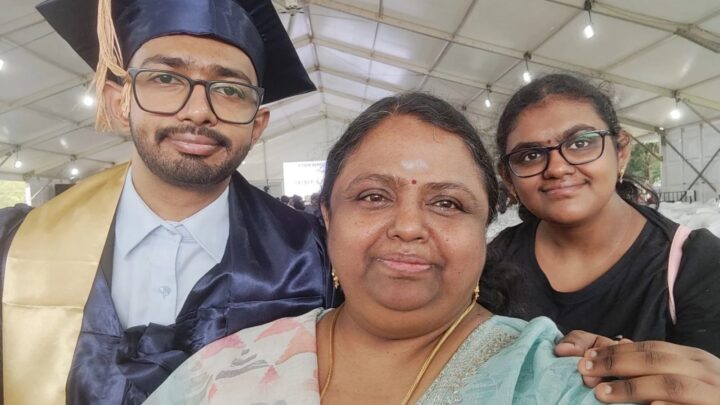
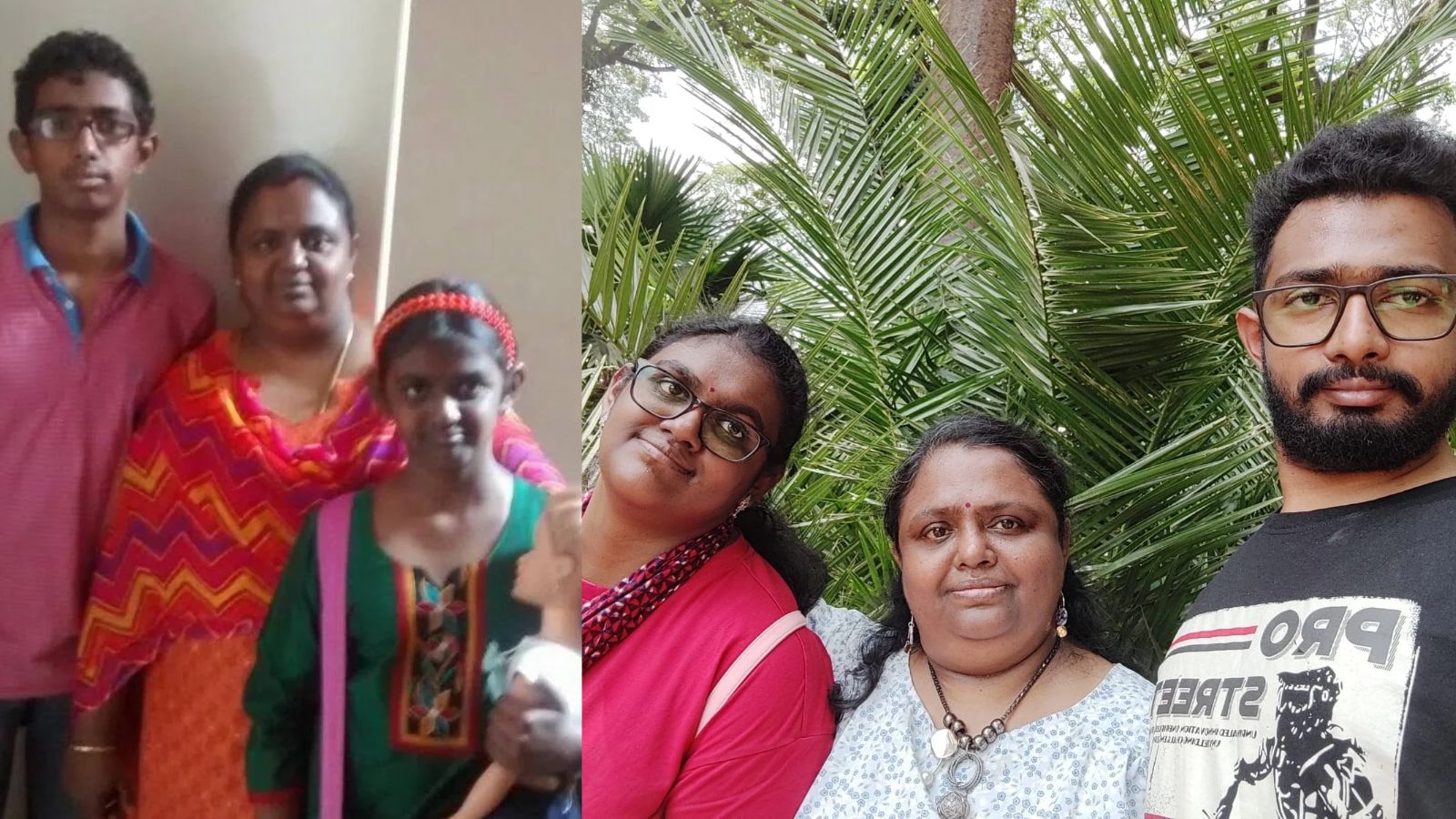
What does it mean to truly recognise a child’s potential beyond a diagnosis? For Priya Kannan, it meant learning to embrace two very different autism journeys, let go of expectations and celebrate each child’s individuality. Her 26-year-old son, diagnosed with autism at two, was later assessed as having moved out of the spectrum. Today, he is a compassionate, creative automotive engineer with a love for technology, cars, Physics and Mathematics, and dreams of pursuing his master’s abroad. Her 22-year-old daughter, who continues to be on the autism spectrum, is a multitalented young woman who shines through singing, dancing, theatre and graphic design. From releasing her own multimedia calendar to winning stage competitions and completing a five-kilometre trek, she continues to explore her aspirations of becoming an actress, singer and independent individual.
An Arts-Based Therapy Practitioner and Founder Trustee of WizTara for Autism, Priya’s journey reflects her belief that every child has unique strengths waiting to be discovered.
Also Read: More Than Down Syndrome: How Suhani Spreads Joy With Her Grandparents
But beyond those moments of triumph lies a story that started with two very distinct diagnoses, developmental experiences that were very different from each other and a mother who had to understand each child in his or her own unique way. When her son’s first symptoms of autism appeared at the age of two, her daughter had already exhibited signs of differences in development at just nine months. This is the story of early intervention, emotional trials, acceptance, and most importantly, discovery of what makes each child unique.
When the autism journey began
Priya’s introduction to autism began with her son’s diagnosis at the age of two. She recalls noticing several developmental differences, including pain insensitivity, difficulty expressing hunger, limited response to his name and sensitivity to sound frequencies. Her daughter’s journey unfolded differently. At just nine months, Priya began noticing repetitive play, reduced response to her name, loss of previously acquired words and regression in social milestones.
Also Read: Cannes Grand Prix to Autism Dad: How Ashiish V. Patil’s Son Changed His Definition of Success
“Both their developmental journeys were different. My son had good compliance, excellent grasping and generalization on his own and was very interactive with me. His challenges were expressive language, loud sensitivity, tactile issues and upper body hypersensitivity. In case of my daughter, she had poor compliance, both receptive and expressive language, visual perception challenges, sensory needs – vestibular issues, sensory play in different mediums, good clarity of sound production and words,” says Priya.
The differences meant that Priya had to understand each child independently rather than follow a single approach to autism intervention.
From sounds to conversations: Her son’s progress
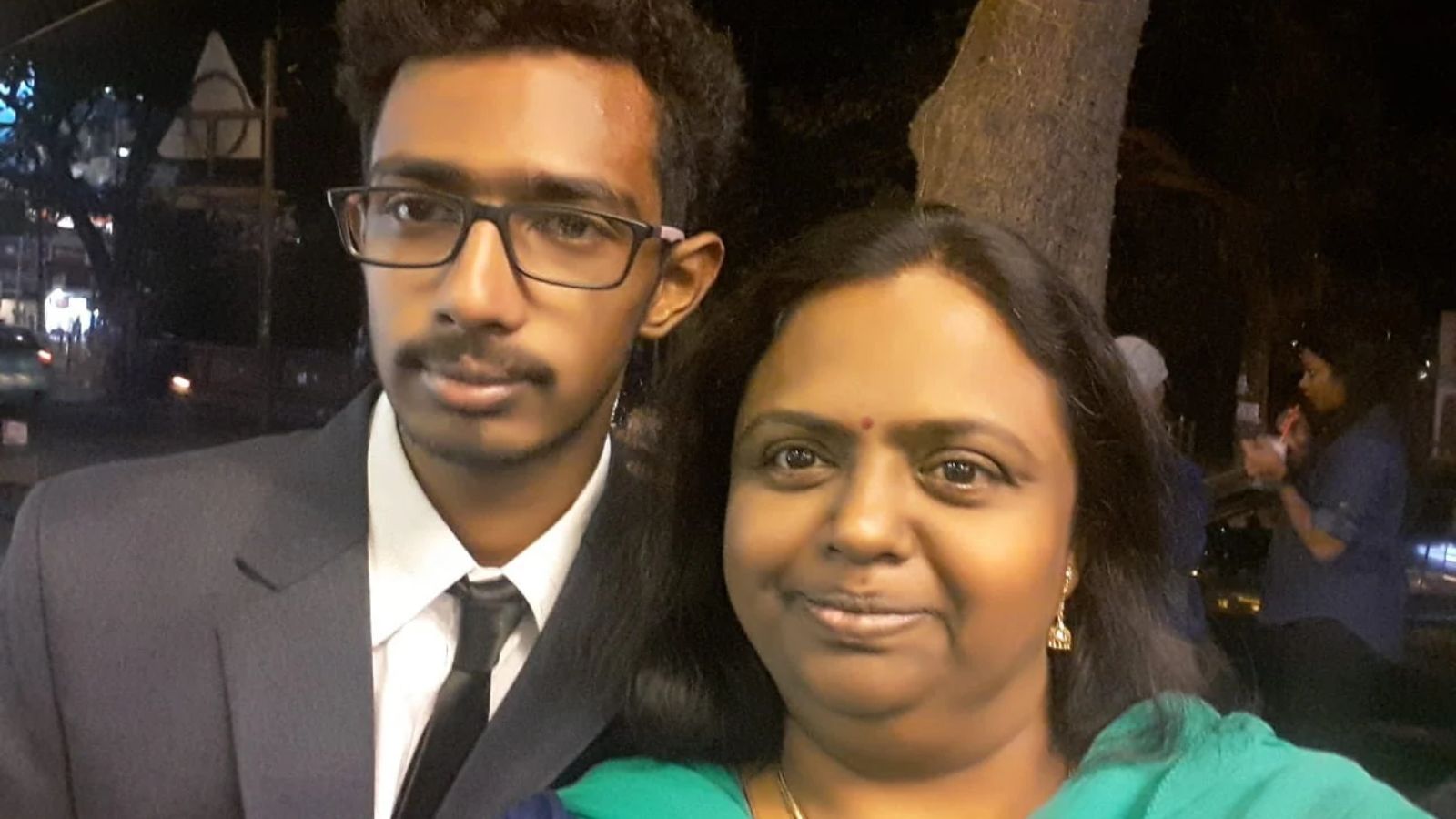
Priya began early intervention for her son at two years and four months. Speech therapy, behavioural modification, occupational therapy, group intervention and sensory integration therapy became part of his early years. Gradually, she witnessed him progress from sounds to words, phrases, sentences and eventually conversations. Social interaction also played an important role, particularly when a change in environment brought him closer to his cousin and other children.
Also Read: An Ailing Wife, An Autistic Son And A Father’s Fight To Hold His Family Together.
One moment made Priya realise just how far he had come.
“I realized that my son was making significant progress when the therapist came down and shared that he questioned why the chairs were up in the top shelf and he mentioned that he wants to play with children and does not want therapy. They shared that he’s ready to pick up from the environment and doesn’t need therapy anymore,” she says.
His social skills continued to develop through school interactions and social stories. Following further assessment and discussions among specialists, his doctor declared that he had moved out of the spectrum. Today, at 26, he works as an automotive engineer. Academics, particularly Mathematics and Physics, were among his strengths. He has also explored technology, electronics, drawing, painting and poetry. Having realised his dream of becoming an engineer, he now hopes to pursue his master’s degree abroad.
The daughter who taught her mother the power of acceptance
With Latika, Priya faced an entirely different experience. Despite starting early support at nine months, progress was slow, and the approaches that had worked with her son did not necessarily work with her daughter. Priya admits that accepting the diagnosis was emotionally difficult, particularly because she initially hoped her daughter would follow a more conventional developmental path.
One specialist’s advice became an important turning point: to stop constantly working on her daughter and start accepting her as she was.
“If not for her in my life, I would have carried the ego of being the best mother. She made me realize that each child is unique in their own way. They have their own strengths, weaknesses and their own learning style. Accept them as they are, recognize their strengths, expose them to many opportunities based on their interests and help them unleash their potentials,” says Priya.
Also Read: Autistic Teen Solves 1,000-Piece Puzzles in Minutes: How Rishaan Found His Happy Place
This change in perspective transformed the way Priya approached her daughter’s learning. Instead of repeating the methods she had used with her son, she began experimenting with different activities and learning mediums.
“I started using activities creatively to train and teach her. One of the best outcomes of this approach was making her learn to write alphabets in 3 months. I used different mediums like shaving foam, wheat flour, rice, rangoli powder, black slate and water, and made her scribble patterns in all these mediums. This helped her to write alphabets in just 3 months,” she says.
Priya also discovered that Latika was a passive learner who responded better to demonstrations and partnered learning. Her excellent memory, love for music, natural sense of rhythm and ability to identify the day of the week for any date became important strengths around which the family began creating opportunities.
Discovering possibilities beyond academics
Latika’s growing interests opened new avenues, even as she encountered difficulties with academics, anxiety and the emotional changes associated with puberty.
She found certain subjects, particularly English and Mathematics, challenging. As her anxiety increased, she gradually withdrew from activities and social interactions she once enjoyed. Priya realised that rebuilding her daughter’s confidence required looking beyond conventional academic expectations.

“Being an observer, I figured out that she was interested in baking and swimming. Despite the therapist warning me, I enrolled her for the swimming classes. And she enjoyed learning swimming,” says Priya. She also encouraged Latika to participate in stage performances, enrolled her for dance training and began singing training.
Also Read: The Mother I Became After My Child’s Autism Diagnosis
At 18, Latika expressed her desire to leave special school and attend college. She chose multimedia as her preferred course, enrolled at CreoVerse Academy and learnt Adobe Photoshop, Illustrator and Premiere Pro. Today, the 22-year-old is a graphic designer, singer, dancer, actor who has performed in 2 plays, narrated a four-minute monologue from memory, won competitions and released a 2026 calendar showcasing her multimedia creations. She enjoys travelling, shopping and spending time with her peers through Synergy, a social group where volunteers act as buddies.
She dreams of travelling around the world, becoming an actress and singer, opening her own multimedia studio and becoming independent. Recently, completing a five-kilometre trek became another milestone she could proudly celebrate.
The struggles that shaped the mother
Behind these achievements were moments of fear, guilt, uncertainty and resilience. Priya vividly remembers the day her son was diagnosed.“I still remember the day coming back home and checking the meaning of autism in dictionary. It was written as mental illness. I completely broke down and my relatives were in denial of having someone in the spectrum in the family. The crying phase continued for 10 days, until Madam Nalini Menon, my guide and mentor requested me to focus on training my son as he needs me 28 hours in the 24 hours a day,” says Priya.
That advice became her mantra. She began focusing on building a connection with her son, creating learning opportunities and protecting him from societal attitudes.
Also Read: Can Children Outgrow ADHD or Autism?
Her daughter’s diagnosis brought another layer of emotional challenges. Priya sometimes felt guilty about not being able to give her daughter the same attention while managing her son’s needs. She also had to accept that her daughter needed a different learning environment, modified academics and continued support.
Reflecting on how both experiences changed her, she says: “Right now you all would have understood how different both their Journeys were. I had to deal patiently with both my children. I had to be a source of acceptance and unconditional love and mindful at all situations. I had to do lot of inner work to ground myself whenever the situations were overwhelming.”
She also learnt to seek support from friends, her parents, sister and other parents who understood the realities of raising children on the spectrum. “If not for my children, I would not have grown and evolved as a speaker, leader and a powerful woman. I am blessed to have both of them in my life.”
From one family’s journey to empowering many others
Priya’s experiences gradually inspired her to extend her efforts beyond her own children. She began involving family members, neighbours, teachers and the wider community in creating opportunities for interaction and acceptance.
She organised neighbourhood playgroups, participated in awareness programmes, enacted plays and organised street plays, and worked with schools to help teachers understand her children’s individual needs.
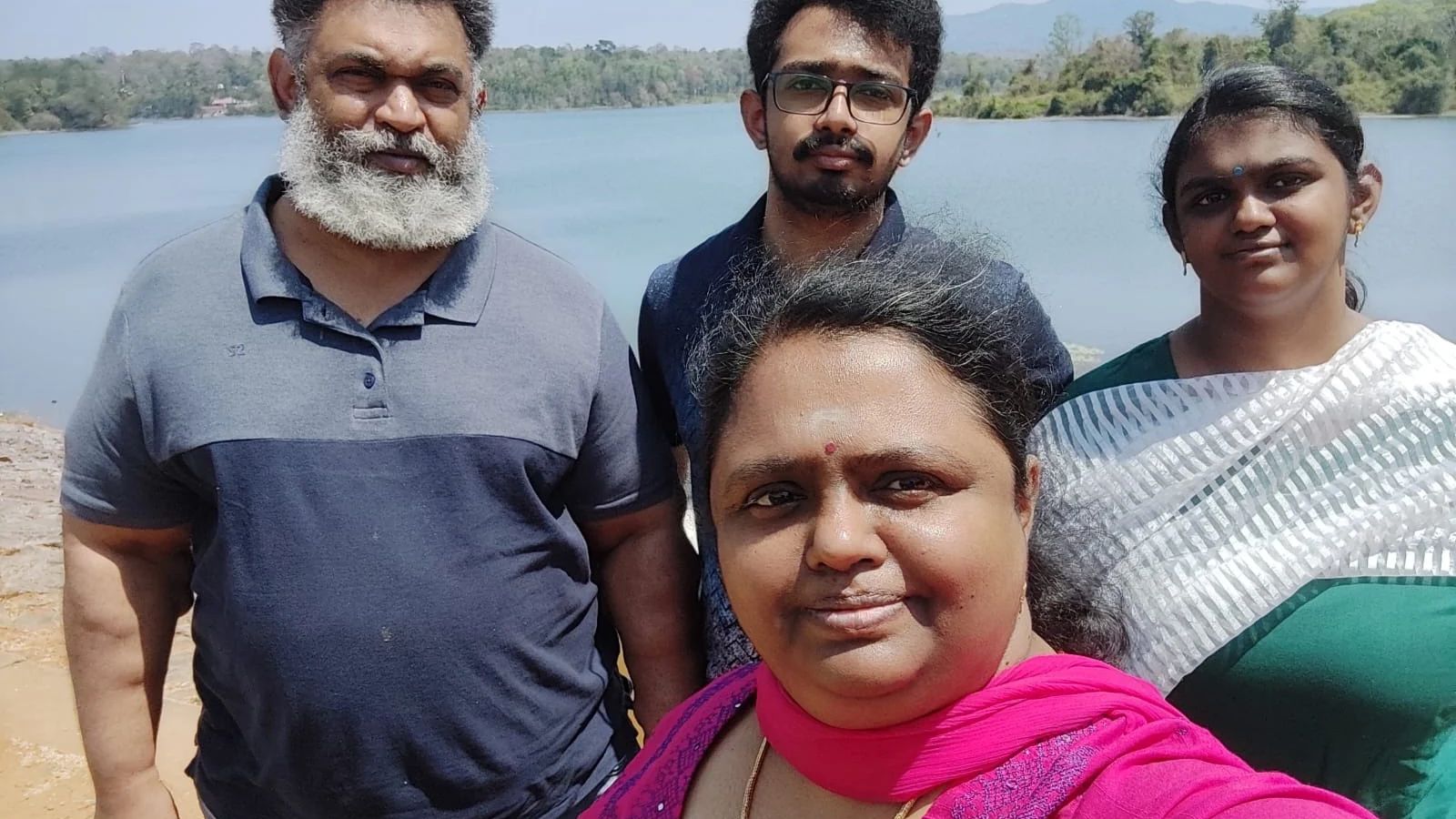
Her experience also taught her that inclusion must be approached differently at different stages of a child’s development. While her son faced school rejections despite being ready for schooling, her daughter needed additional social skills training and support before transitioning into mainstream education. These experiences eventually led to parent empowerment initiatives, social groups, community awareness programmes and the establishment of WizTara for Autism.
Also Read: Dental Care And Neurodiversity: How To Calm An Anxious Child
The organisation’s vision is to create equal opportunities for autistic individuals and build an inclusive society. Its mission focuses on autism awareness, creating opportunities for children and adolescents on the spectrum, and empowering parents.
For Priya, the most important lesson from this journey remains that a child’s potential cannot be measured by conventional milestones. “Every child is unique and beautiful in their own way. Accept the child as they are, identify their strengths and interests, trust your children and prepare yourself for the journey ahead.”
She signs off with a thought that captures the philosophy behind her parenting journey:
“Some journeys are like a 100m sprint, and some are like a 25km marathon. Whatever is your journey, wherever you are, never give up and reach your destination.