Every year on Dussehra, we celebrate the defeat of evil by good. The effigy of Ravana gets burned up as a representation of the victory of good over evil. While we burn the visible evil, do we ever address the biases that are ingrained in our own minds?
A society always talks about showing compassion, equality, and acceptance; however, sometimes the attitude shown towards neurodiversity shows a completely different story altogether. While we all cheer on autistic children for hitting important developmental stages, performing in public or breaking stereotypes, do we show as much acceptance when a kid is unable to communicate, is overwhelmed by the crowd, or exhibits behaviour out of the social norm?
The biases and standards even apply to the family. The parents are supposed to seek therapy for their child, help the child reach his/her developmental milestones, and try to get an inclusive school for the child. But the question here is whether society itself has made enough changes in its classrooms, public places, and attitude to become inclusive?
The point is that inclusion should not be conditional at all. A neurodivergent person does not need to do anything special, fight his/her way through everything, and prove himself/herself to be accepted and respected. Everyone has the right to be included.
Thus, this Dussehra, maybe, the true triumph of good over evil will lie in burning all the biases, prejudices, and assumptions that stand between us and the person hidden under his/her diagnosis.
To understand what this change could look like, we asked three questions to three neurodivergent families and individuals about the mindset shifts they wish to see, how society can become more inclusive and the first step towards a new beginning. Here is what they shared.
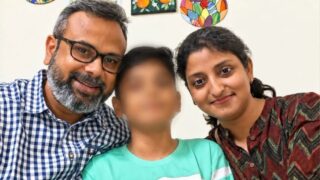
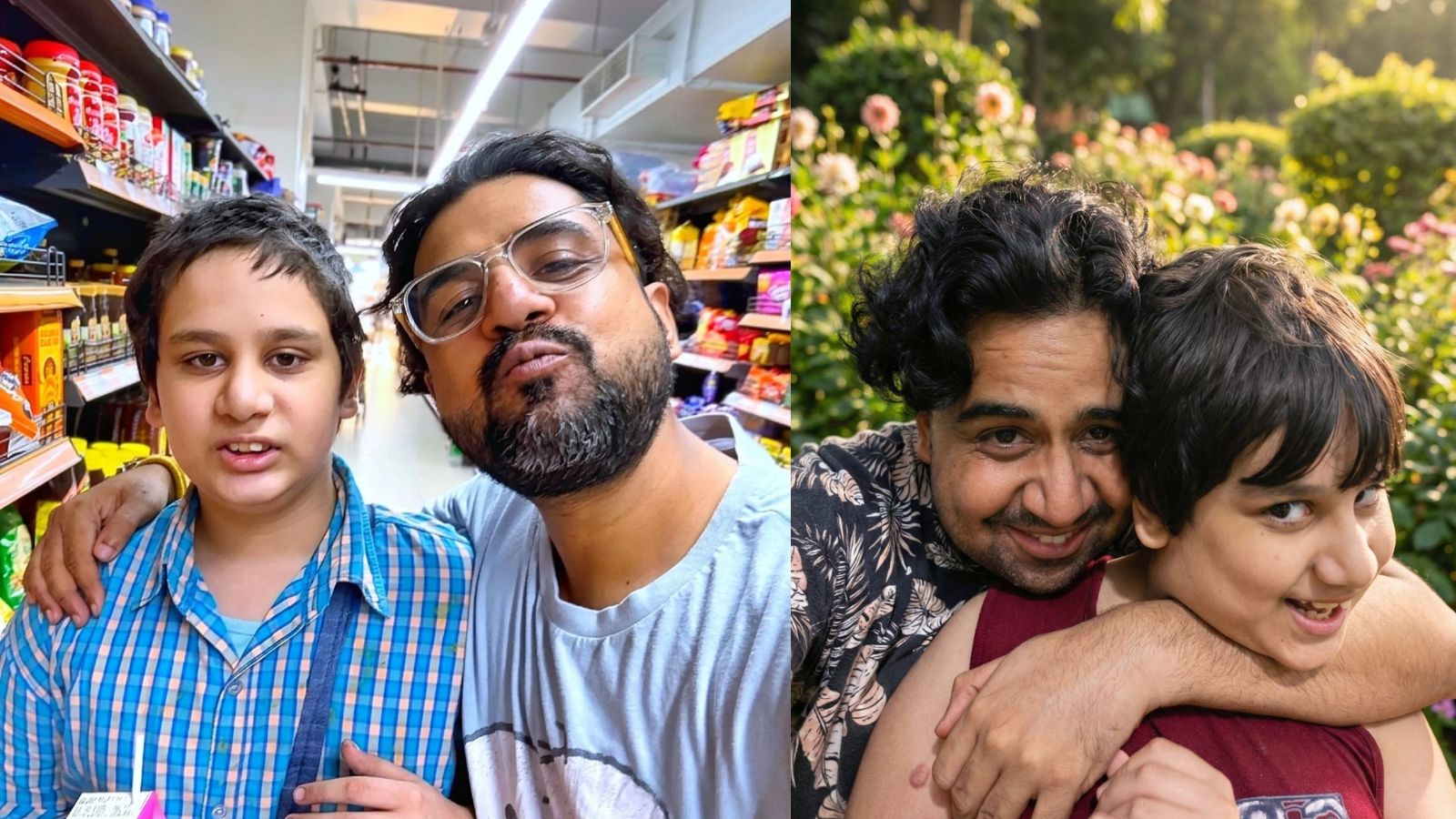
Swapnil Narendra, father of Medhya, who was diagnosed with autism at 1.8 years old
Q1. This Dussehra, what positive change do you wish to see in society’s mindset towards neurodiversity?
Answer: Stop calling our children flawed. Neurodiversity is not a disease to fix — it is humanity in its purest, most honest form.
Also Read: How My Autistic Son Changed My Life: A Father’s Inspiring Story
Q2. As we celebrate the victory of good over evil, what can we do to build a more accepting and inclusive world for neurodivergent individuals?
Answer: True victory of good over evil is not forcing our children to fit the world, but making the world worthy to fit our children.
Q3. If this Dussehra is about new beginnings, what is one step you would like society to take towards embracing neurodiversity?
Answer: Stop sympathy. Start respect. Inclusion is not charity, it is not a favor — it is a right, it is justice, it is non-negotiable.
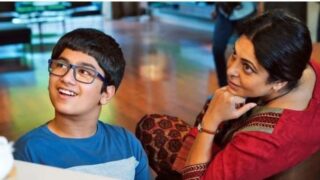
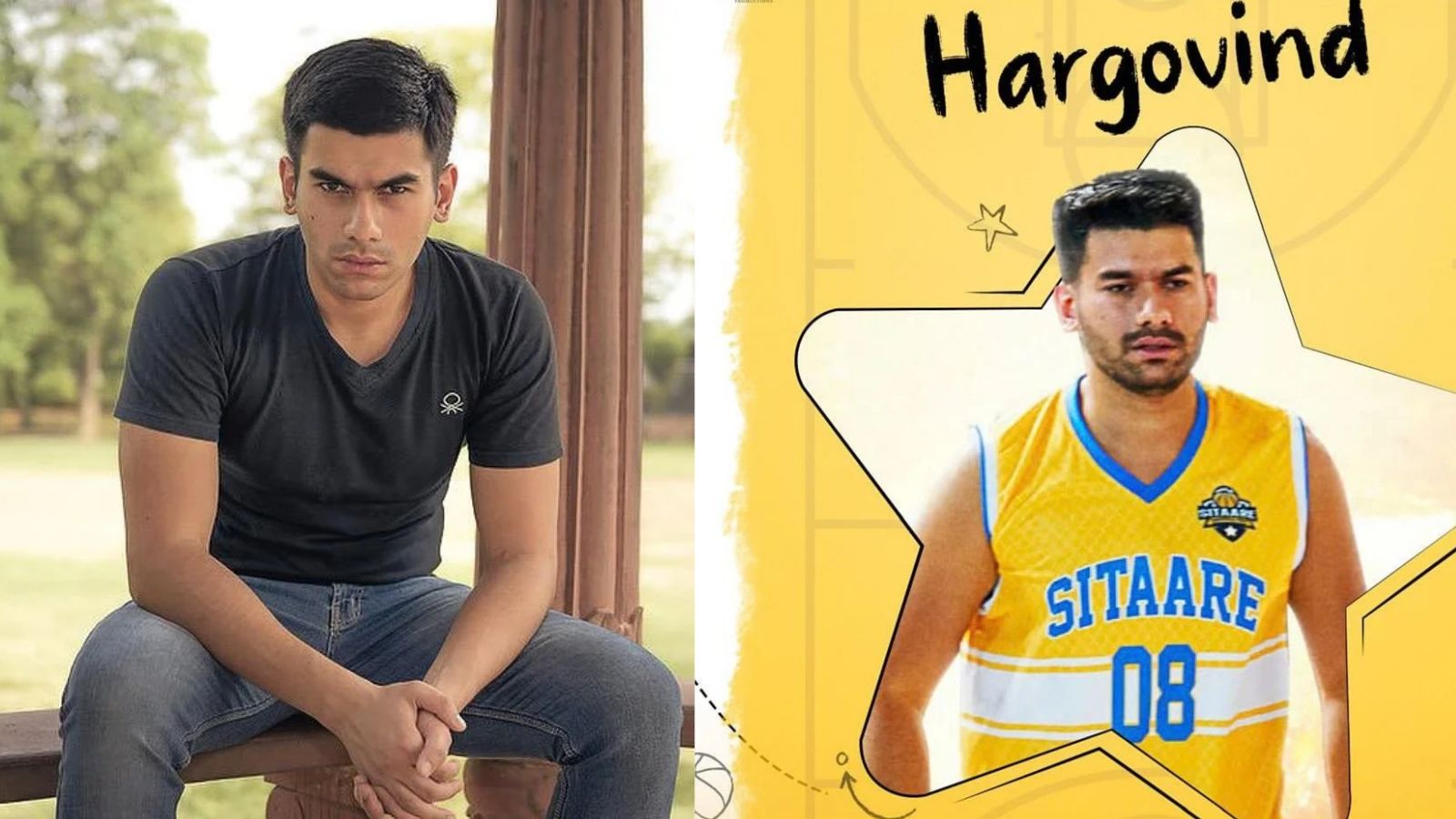
Naman Misra, diagnosed with autism at five and remembered for his portrayal of Hargovind in Aamir Khan’s Sitaare Zameen Par
Q1. This Dussehra, what positive change do you wish to see in society’s mindset towards neurodiversity?
Answer: Acceptance (good over evil) wins over every insecurity in life. Let’s make this world inclusive and a better place no matter who we are truly and all stereotypes shall be broken. Change is constant and inevitable.
Also Read: He Was Bullied for Being Different. Today, Naman Misra Is Hargovind in ‘Sitaare Zameen Par’
Q2. As we celebrate the victory of good over evil, what can we do to build a more accepting and inclusive world for neurodivergent individuals?
Answer: Awareness and inclusive environment. Sensitization shall never be forgotten.
Q3. If this Dussehra is about new beginnings, what is one step you would like society to take towards embracing neurodiversity?
No matter who we love inspite of all the hardships in life, we must not keep our heads down at any stage in life. Instead we should keep our heads high and smile to elevate joy not only ourselves but for parents, their children and anyone whom we know or relate.
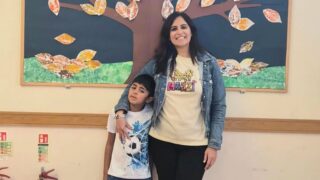
Nitin Sharma, Canada-based father of 18-year-old autistic Bhavya
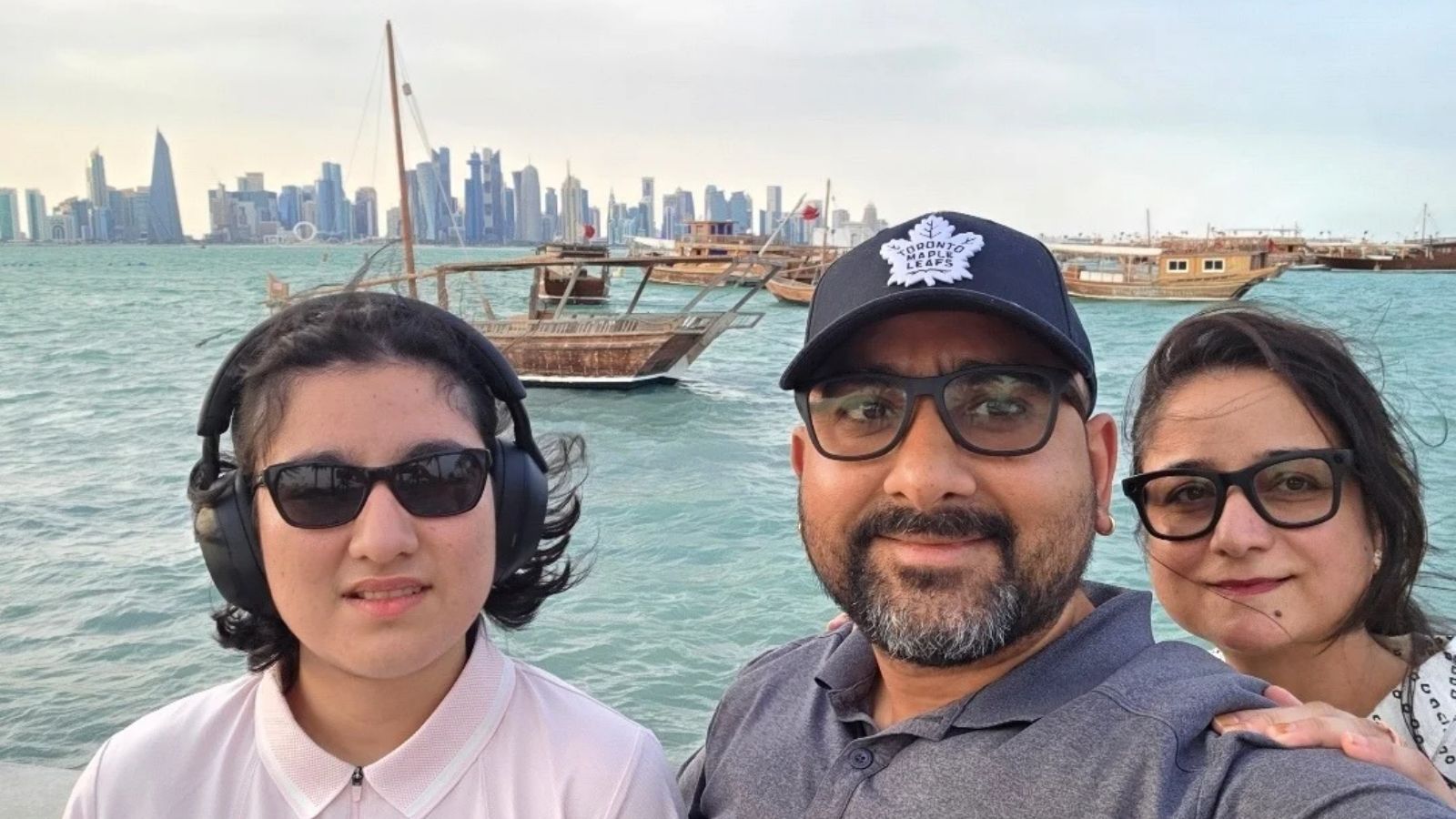
Q1. This Dussehra, what positive change do you wish to see in society’s mindset towards neurodiversity?
Answer: This Dussehra, I wish people would stop looking at neurodiversity as something to fix and start seeing the person beyond the diagnosis.
Also Read: From India to Canada: A Father’s Journey for His Autistic Daughter
Q2. As we celebrate the victory of good over evil, what can we do to build a more accepting and inclusive world for neurodivergent individuals?
Answer: Perhaps the simplest way to defeat prejudice is to replace judgement with curiosity. Instead of asking what’s wrong with someone, ask what makes them happy.
Q3. If this Dussehra is about new beginnings, what is one step you would like society to take towards embracing neurodiversity?
Answer: Let’s stop expecting neurodivergent people to fit into our world before we make room for them in it.
This Dussehra, one of the greatest wins that could happen would be the one where no neurodivergent person ever has to justify their existence to the world, and no parent ever has to justify their children’s existence to anyone. Effigy-burning may be a custom, but it’s time that prejudice-burning became our responsibility.