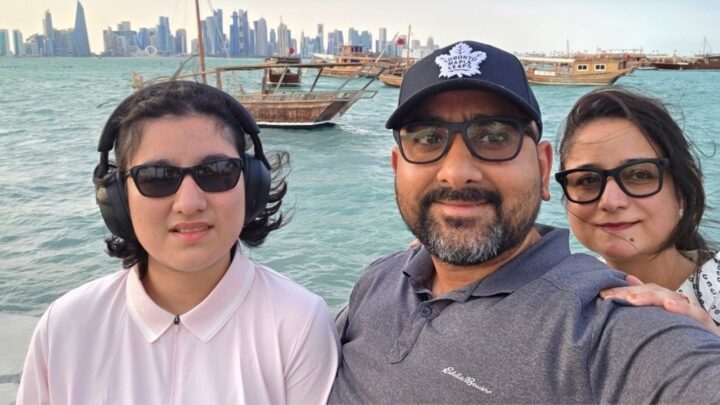
The diagnosis of a child changes the lives of most parents but for Nitin Sharma and his wife, it changed their country. The couple were officers in India’s Central Armed Police Forces (CAPF) and were settled in life with secure jobs and a happy family. However, they made an extraordinary decision when they realised that their daughter, Bhavya, required specialised autism support which was extremely hard to obtain in India then. They traded in their jobs with the government, their extended family, the comforts of home, to start over in Canada and hopefully give their daughter some sort of life she deserved.
Bhavya is now 18 and this journey has made her parents passionate advocates of awareness, acceptance, and inclusion for those with autism. In this conversation with All About Inclusive, Nitin talks about grief, resilience, heart-wrenching choices his family had to make, the loneliness that many families experience and why every autistic child deserves not sympathy, but understanding, dignity, and the chance to thrive.
Q) Take us through the day when you got to know about the diagnosis of your daughter. What was her age then and how old is she now?
Answer. Our daughter, Bhavya, showed signs of developmental differences from a young age. While we sought help in India, we struggled to get a clear diagnosis or coordinated support. At the time, both my wife, Pooja, and I were serving in India’s Central Armed Police Forces. Our jobs were demanding, and there was very little flexibility or accommodation for parents raising a child with additional needs. The system around us simply wasn’t equipped to support families like ours.
Also Read: Can Children Outgrow ADHD or Autism?
Realizing that Bhavya needed more than we could access in India, we made one of the hardest decisions of our lives—we left our careers, our extended family, and our home to start over in Canada.
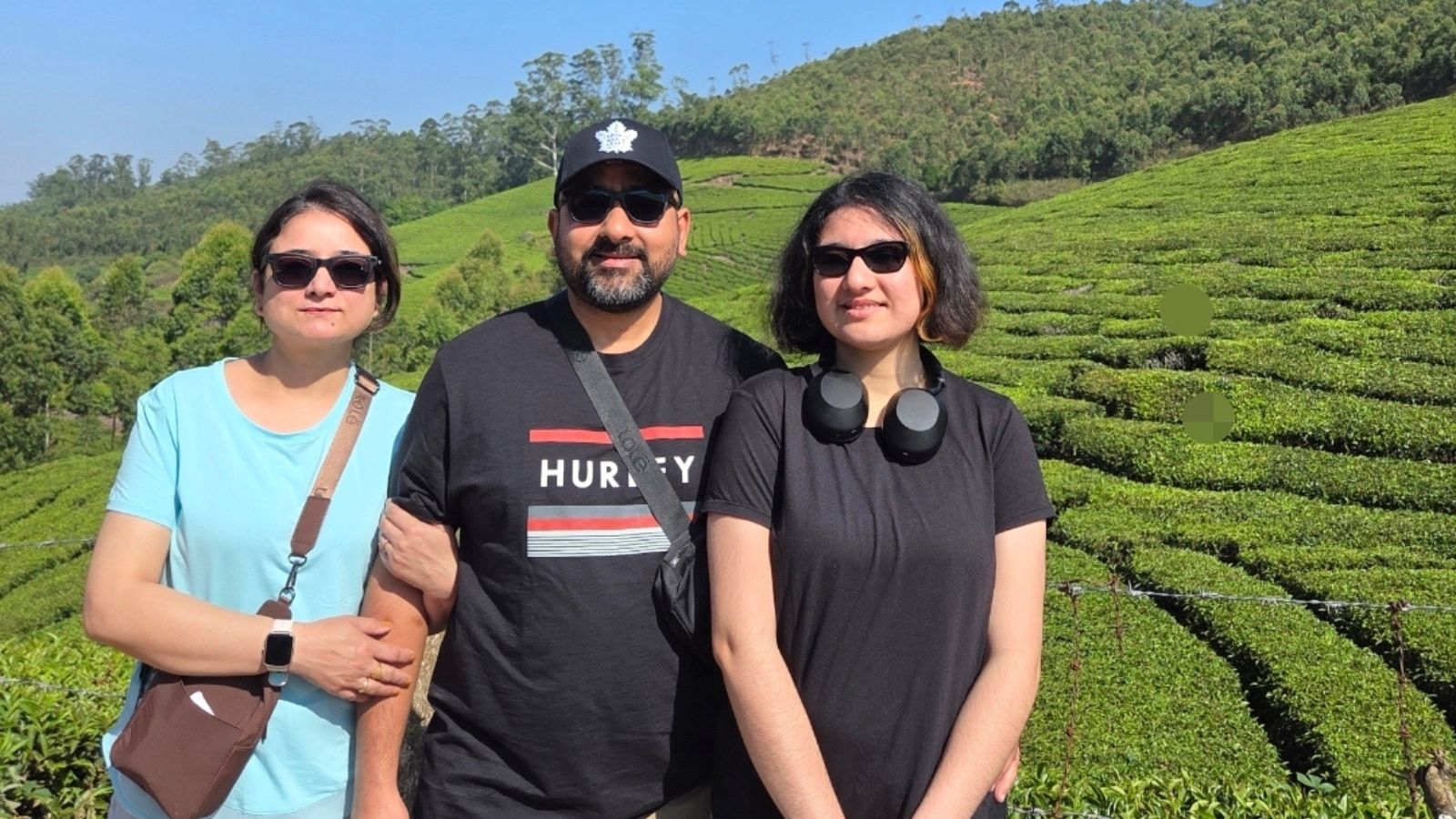
Bhavya was formally diagnosed with autism in Canada when she was around four years old. Today she is 18. Although the diagnosis was emotionally difficult, it also brought clarity and opened the door to the support she needed. Looking back, moving to Canada changed the course of her life.
Q) What was the turning point that made you decide to share your autism journey publicly instead of keeping it private?
Answer) For many years, we kept our journey private. But I realized that silence doesn’t help families like ours. Too many parents feel isolated, judged, or ashamed. I started sharing our story because I wanted another parent sitting alone after an autism diagnosis to know they are not alone.
I also wanted to show that behind every autistic child is a family fighting battles most people never see. Through our story, I hope to challenge stereotypes and encourage greater acceptance and inclusion.
Q) Looking back, what are the biggest myths about autism that you believed before your personal experience changed your perspective?
Answer) Before Bhavya, I knew very little about autism. Like many people, I assumed autism meant a child simply spoke late or didn’t socialize. I had no idea how diverse the spectrum is or how differently every autistic individual experiences the world. The biggest disability isn’t autism—it’s society’s misunderstanding. Stop blaming parents. Start supporting families. Be Kind.
Also Read: Why The SC’s Intervention On Therapy Centres Could Be A Turning Point For Special Children
My daughter taught me that autism is not a measure of intelligence, potential, or worth. People often focus on what autistic individuals cannot do, while overlooking their strengths, determination, and unique abilities.
Q). What has been the most challenging phase of your autism journey—not for your child, but for you as a parent or caregiver—and how did you overcome it?
Answer) The greatest challenge wasn’t therapy sessions or medical appointments. It was feeling that we were fighting alone.
One of the most painful experiences was not the diagnosis itself, but the lack of understanding from people closest to us. Many family members simply couldn’t understand how demanding life can be when raising a child with significant support needs. There was often judgment instead of empathy, advice instead of understanding, and expectations instead of support.
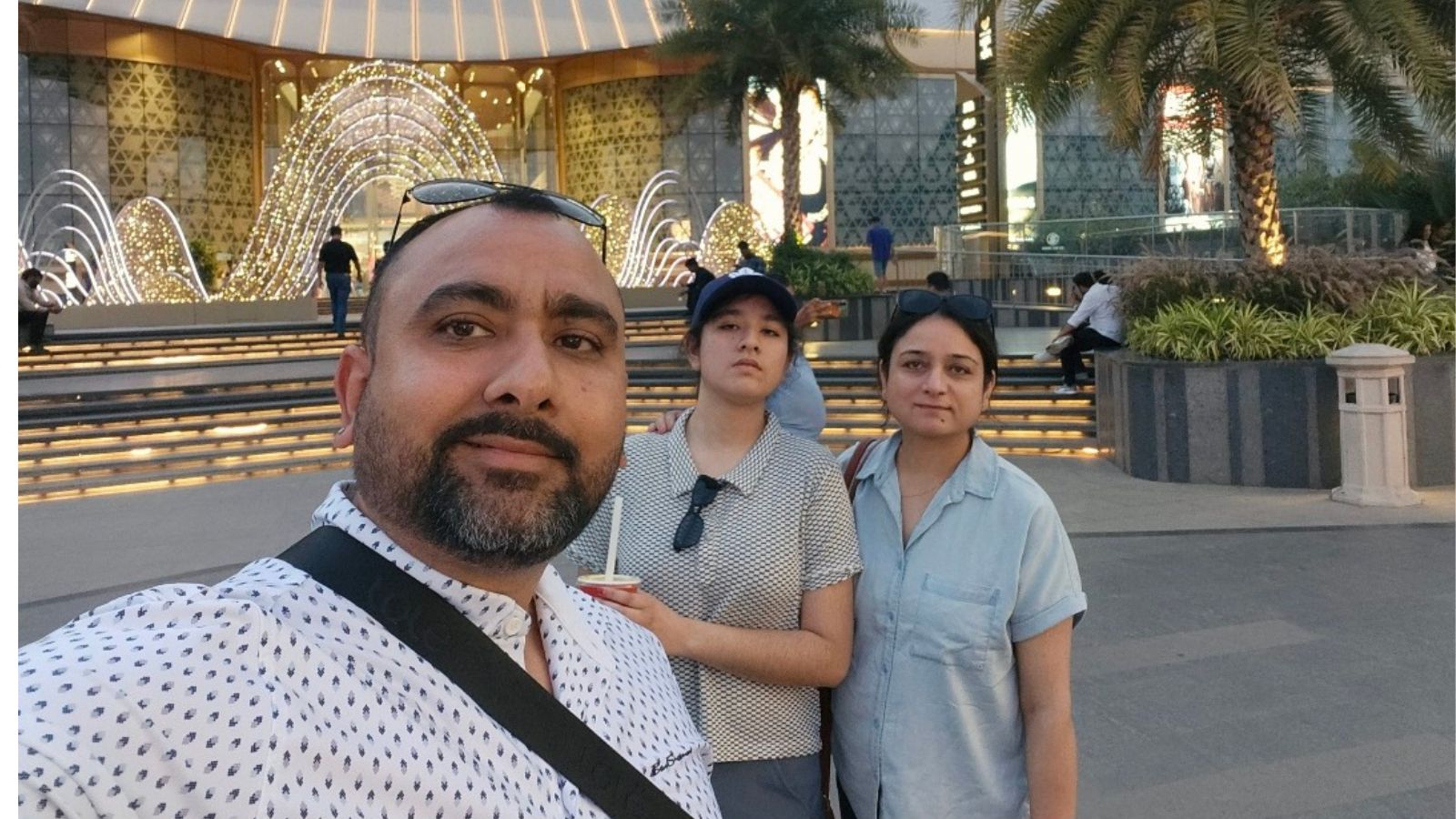
Over time, I stopped worrying about what others thought and focused on what Bhavya needed. That shift helped me become a stronger father and advocate.
Q) How do you balance celebrating your child’s achievements while avoiding comparisons with neurotypical developmental milestones?
Answer: I’ve learned that comparison steals joy. Bhavya isn’t competing with anyone else—she’s only competing with yesterday’s version of herself.
A milestone that another child reaches in weeks may take her months or even years, and that’s perfectly okay. Every achievement—whether learning a new life skill, communicating a need, or becoming more independent—deserves to be celebrated. Success isn’t measured by how quickly she reaches a milestone, but by the progress she continues to make.
Q) Social media often shows highlights. What are the difficult realities of raising an autistic child that people rarely see or talk about?
Answer: People see happy photos and short videos. They don’t see the sleepless nights, sensory challenges, difficult behaviours, financial pressures, endless appointments, paperwork, and constant advocacy.
Also Read: Choosing Between Special and Inclusive Schools
They also don’t see the emotional toll on parents or how isolated many families feel. Raising an autistic child often means becoming a therapist, teacher, advocate, researcher, care coordinator, and full-time caregiver—all while trying to hold your own life together.
That’s why I try to share both the joyful moments and the difficult ones. I want people to see the whole journey, not just the highlights.
Q) If you could change one thing about the education system or healthcare support for autistic children, what would it be and why?
Answer: Having experienced both India and Canada, I’ve seen how much difference the right support can make.
In India, we struggled to get timely diagnosis, coordinated care, and meaningful support. In Canada, Bhavya benefited from early intervention, specialized education, speech therapy, occupational therapy, respite services, funding programs, transition planning, and a far more inclusive educational environment. Those services didn’t remove every challenge, but they gave her opportunities to learn, grow, and become more independent.
My hope is that every family, regardless of where they live, has access to timely diagnosis and affordable, coordinated support without having to fight the system. Early intervention and inclusive education shouldn’t be privileges—they should be rights.
Q) ) What advice would you give to parents who have just received an autism diagnosis for their child and are feeling overwhelmed or afraid?
Answer: Take one day at a time.
Your child is still the same child you loved before the diagnosis. Autism changes the roadmap, not your child’s worth. Don’t lose hope. Learn about autism, connect with other families, ask for help when you need it, and celebrate every small step forward. Progress may look different, but it is still progress.
Also Read: School Denied Admission to Your Neurodivergent Child? Delhi High Court Lawyer Explains Your Rights
Most importantly, spend time with your child. No one understands them better than you. Your love, patience, and belief in them will make more of a difference than you can imagine.
Q) When your child grows up and looks back at this Instagram page, what do you hope they feel after seeing the story you’ve shared with the world?
Answer: I hope she feels one thing above everything else—that she was deeply loved.
I want her to know that I never saw her as broken or less than anyone else. This page was never about sympathy or attention. It was created to tell her story with dignity, challenge misconceptions about autism, and help build a kinder, more inclusive world.
If even one family feels less alone because of our journey, then every story we’ve shared has been worthwhile. Overall, these answers come across as sincere, balanced, and advocacy focused. They avoid sensationalizing autism while highlighting both the challenges and the hope, which is likely to resonate well with readers.
One example that always reminds me how meaningful small victories can be is Bhavya’s journey with eating. When we first moved to Canada, she was an extremely picky eater, and mealtimes were one of our biggest challenges. We had to hand-feed her because she wouldn’t eat independently.
One of the biggest misconceptions about autism is that autistic individuals don’t understand what is happening around them. In my experience with Bhavya, that couldn’t be further from the truth. She understands far more than many people assume and is constantly listening, observing, and processing the world around her, even if she doesn’t always communicate it in typical ways.
We learned that forcing things rarely helps. Instead, we focused on talking to her, preparing her for new experiences, respecting her preferences, seeking her consent whenever possible, and involving her in shared decision-making in ways she could understand. By making experiences less stressful and giving her time to process, she gradually became more willing to explore new foods and try new things.
Today, Bhavya enjoys a wide variety of foods and can feed herself independently. To many people, that may seem like a small achievement, but for our family, it represents years of patience, trust, and perseverance. It reminds us that when we respect an autistic person’s autonomy, communicate with them rather than about them, and meet them where they are, remarkable progress is possible—one small step at a time.