When a child receives an autism diagnosis, parents often find themselves navigating a world filled with uncertainty, questions, and emotions they never expected. The future can suddenly feel unclear, and milestones that other families may take for granted begin to carry a different meaning. Yet beyond the fears, therapies, and challenges lies another story, one of resilience, growth, and discovering strengths that may have otherwise gone unnoticed.
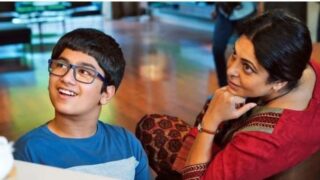
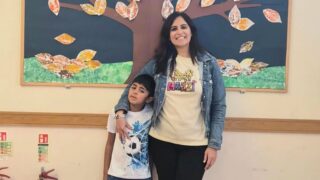
For Delhi-based Akansha Arun, that journey began when her son, Vikansh, now 8, was diagnosed with autism at the age of two and a half. What followed was not just a journey of learning and adaptation, but also a lesson in patience, acceptance, and celebrating progress in all its forms.
In this heartfelt conversation, she reflects on the fears she faced, the milestones that changed her perspective, and the hope she wants every parent to hold on to while walking a similar path.
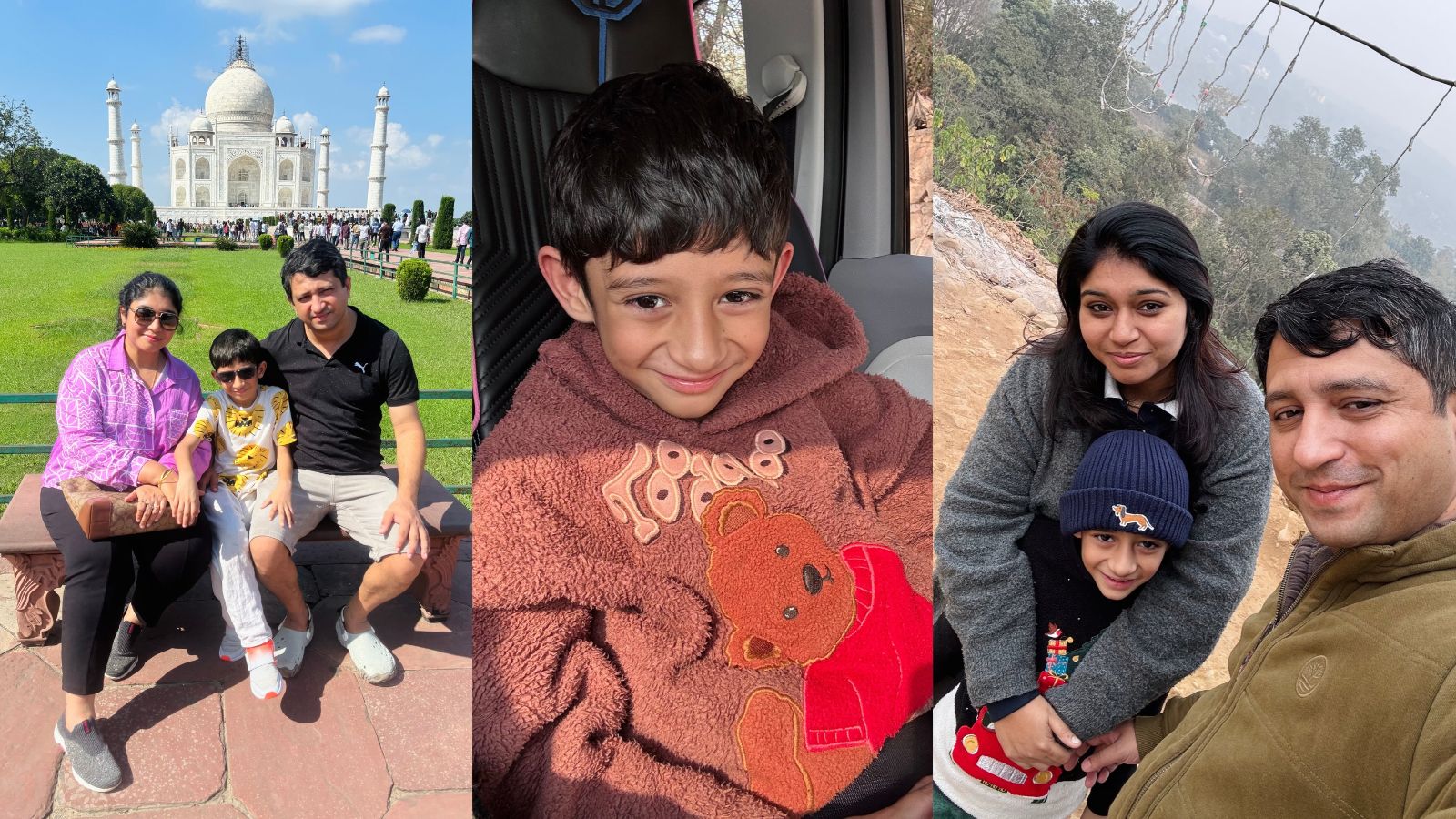
Question) When did you first feel that Vikansh’s journey might be different?
Answer) When Vikansh was around two and a half years old, we got to know that he was autistic. As a mother, it was difficult to understand what this meant for his future. I had so many questions and fears in my mind. I kept wondering whether he would be able to communicate, learn, make friends, and become independent. I didn’t have all the answers back then, but I knew one thing for sure: that he was my child, and I would do everything I could to help him grow and reach his potential.
Vikansh is eight years old now, and every day he teaches me something new about patience, strength, and possibilities.
Also Read: Teaching Neurodivergent Girls About Periods: Senior Doctor Shares Proven Tools and Tips
Question) What was your biggest fear in those early days, and what helped you move from fear to understanding?
Answer) My biggest fear was the uncertainty about his future. As a mother, you naturally worry about whether your child will be able to manage life independently and whether the world will understand him. Initially, I was looking for answers everywhere. Slowly, through therapy, learning about autism, and understanding Vikansh as an individual, I began to see things differently. I realised that instead of worrying too much about what he might not be able to do, I needed to focus on what he could do and how I could help him grow. The journey is still full of learning, but today I look at him with much more hope than fear.
Question) What is one moment that made you think, “My child can do so much more than I imagined”?
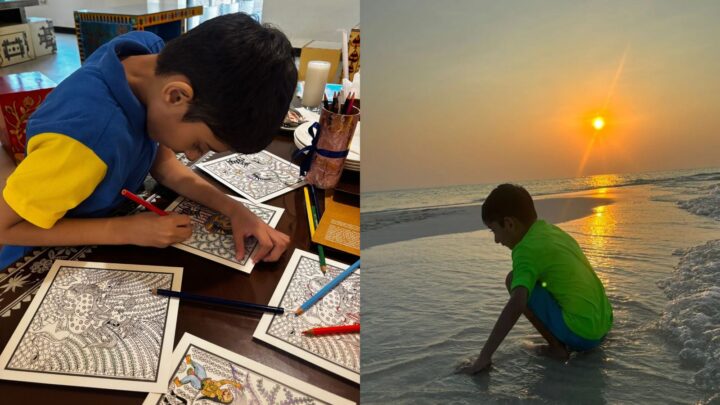
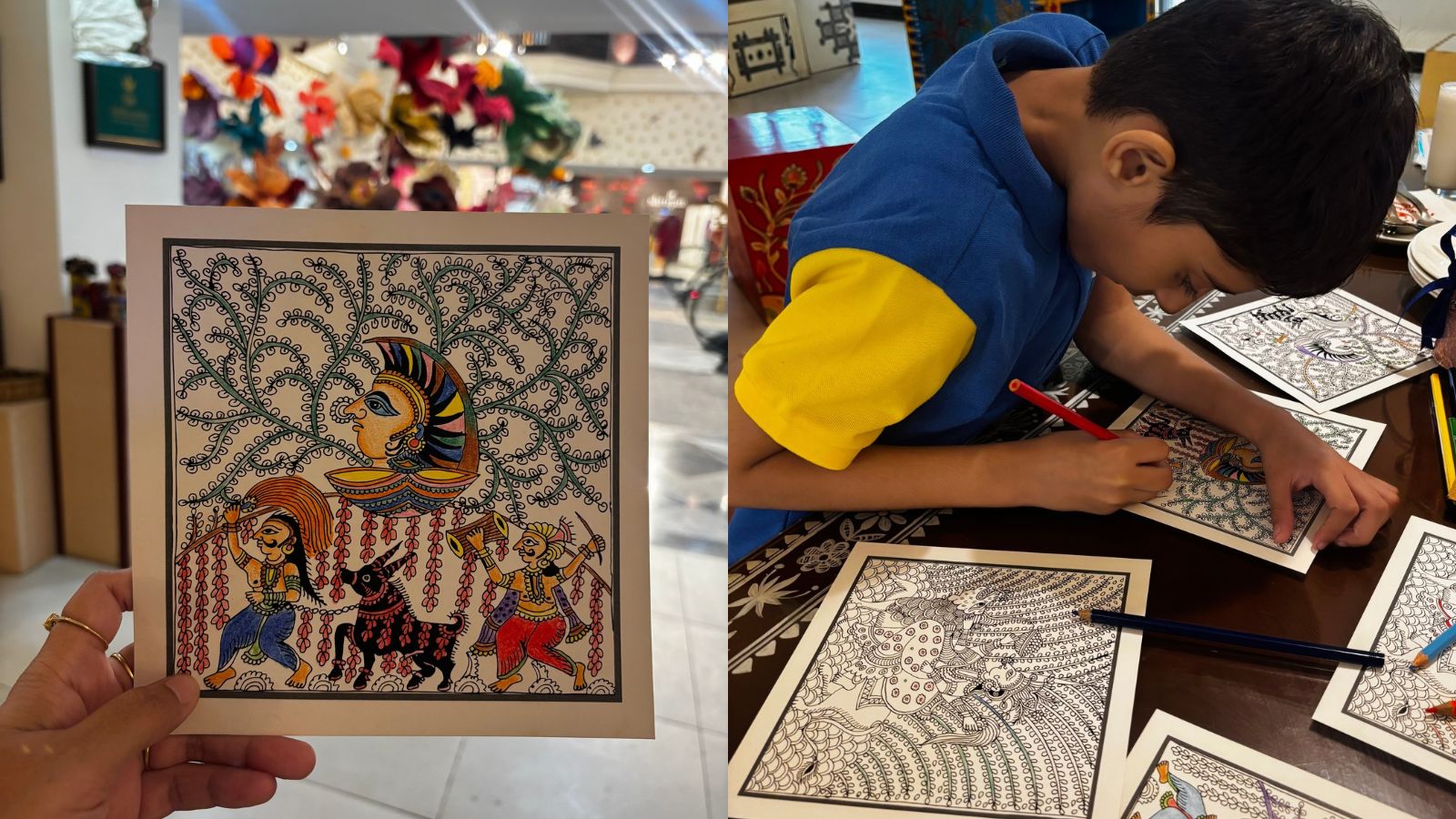
Answer) There have been many such moments, and it’s difficult to choose just one. Watching Vikansh learn to swim has been incredibly special. On his third day, he started bubbling, went into deeper water, and began swimming independently. As a mother, watching him do something that once seemed so challenging was an emotional moment for me.
Another unforgettable moment was when he went into the Ganga for the first time and later sat through the entire Ganga Aarti, managing the sounds in his own way. These moments remind me that we should never underestimate a child because of a diagnosis. Sometimes, our children surprise us in ways we never imagined.
Also Read: ABA vs. OT: Which One To Pick for Your Child? Dr. Vipul Vithal Answers Common Questions
Question) How did you stop comparing Vikansh with other children and start celebrating his milestones?
Answer) Honestly, it takes time. As parents, we sometimes find ourselves looking at other children and wondering why our child isn’t doing the same things. I went through that phase too. But gradually, I understood that Vikansh has his own pace, and comparing him with others only takes away from the joy of his progress.
Today, I celebrate things that may look small to someone else but mean the world to us: a new word, a new skill, trying something independently, or managing a situation that was once difficult for him. I’ve learned that progress doesn’t have to look the same for every child. Vikansh has taught me to appreciate his journey instead of measuring it against someone else’s.
Question ) What has Vikansh taught you about looking beyond a diagnosis?
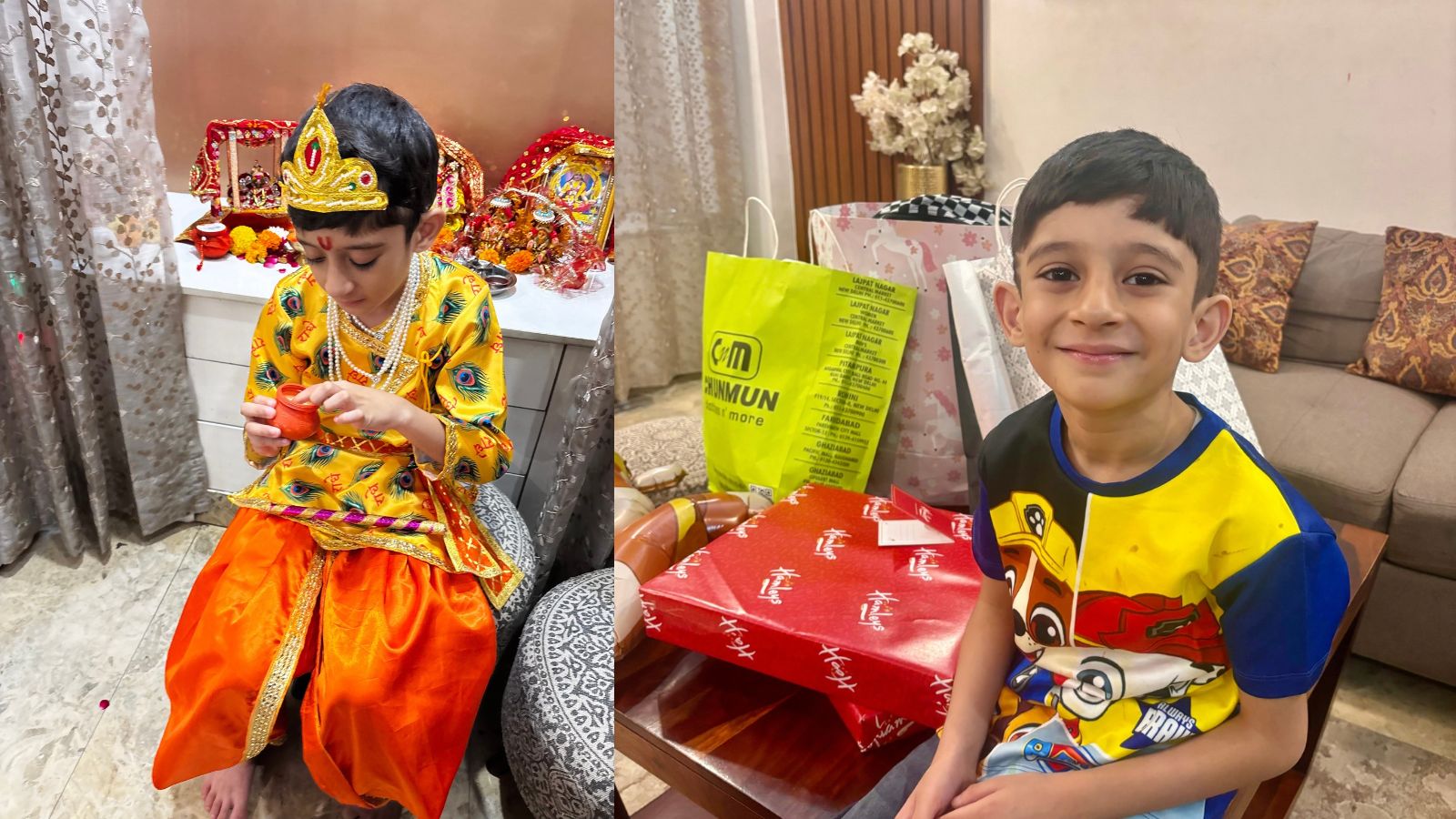
Answer) Vikansh has taught me that autism is only one part of who he is. Before anything else, he is a child with his own personality, interests, emotions, strengths, and dreams. He loves swimming, painting, music, LEGO, puzzles, and exploring new places. He has his own way of understanding the world, and there is so much more to him than the challenges he faces.
I have learned to look at his abilities instead of focusing only on his difficulties. He may need more time or a different approach for certain things, but that doesn’t mean he cannot learn. Every child deserves to be seen for who they are, not just for their diagnosis.
Also Read: Can Children Outgrow ADHD or Autism?
Question) What made you decide to share Vikansh’s story with the world?
Answer) When I started sharing Vikansh’s journey through my page, Different, but not less, my intention was to share our real experiences as a mother and child. I wanted people to understand autism beyond the diagnosis and see the everyday efforts, struggles, and little victories that are often invisible to the world.
I also wanted other parents to feel that they are not alone. There are difficult days, but there are also beautiful moments worth celebrating. If sharing our journey helps even one parent feel hopeful or helps one person become more understanding towards an autistic child, I feel it is worth it. I am not ashamed of talking about autism. I believe awareness begins when we stop hiding our stories and start talking about them openly.
Question) What would you tell a parent who has just received an autism diagnosis?
Answer) I would tell them to take a deep breath. I know how frightening the unknown can feel, and you don’t have to figure everything out in one day. Your child is still the same child you loved before the diagnosis. The diagnosis gives you a better understanding of your child’s needs; it does not define your child’s entire future.
Learn about your child, find the right support, celebrate every small milestone, and don’t be afraid to ask for help. There will be difficult days, and it’s okay to feel overwhelmed sometimes. But please don’t lose hope or compare your child with others.
Focus on the child in front of you because every child has their own strengths and possibilities. And remember, you are also learning along the way. You don’t have to be a perfect parent; you just have to keep showing up for your child.
Also Read: Choosing Between Special and Inclusive Schools
Question) What does “Different, not less” mean to you, and what kind of world do you hope Vikansh grows up in?
Answer) For me, “Different, not less” is not just a tagline. It is something I truly believe in as Vikansh’s mother. He may communicate, learn, or experience the world differently, but that does not make him any less deserving of love, respect, opportunities, and happiness.
I dream of a world where Vikansh doesn’t have to struggle to fit into society just to be accepted. A world where people are patient, where children are taught to include rather than exclude, and where differences are understood instead of judged.
I want him to grow up knowing that he belongs, that his voice matters, and that he can pursue his interests and dreams without being limited by other people’s expectations. More than anything, I hope the world learns to see the child before the diagnosis. That’s what “Different, not less” means to me.