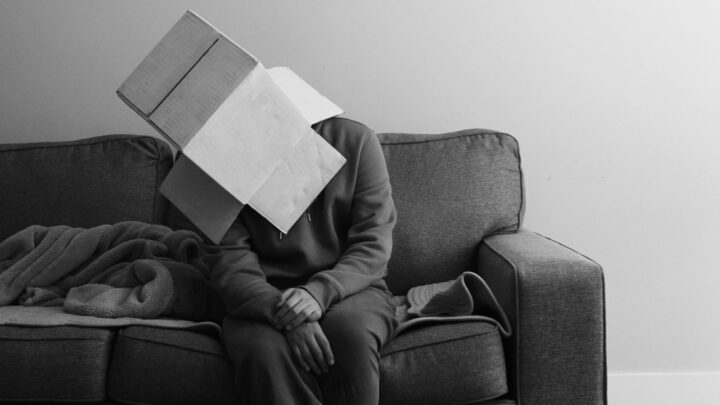
“Shopping is not always the easiest for me. Sudden noises can be overwhelming. I can navigate a crowd by now, but I prefer quiet environments.”
That’s how Emma, a young woman with autism and ADHD, described her shopping experience in just one of the heartwarming posts as part of Sephora’s Quiet Hours initiative on Instagram. Going to the store for Emma is not just makeup buying; it is sensory overload control. Loud music, endless announcements and bustling crowds can wear on you fast, making an enjoyable day quickly turn into a stressful one.
Also Read: Choosing Between Special and Inclusive Schools
View this post on Instagram
According to her, stores that participate in these Quiet Hours at Sephora will lower the music and adjust for a more sensory-friendly shopping experience since the model works during hours that they would be open. These changes have made her feel so much more welcome.
This is a lived experience for many people who are neurodivergent, not just Emma. Any trip to public places can be so hard for people with autism, ADHD & other sensory processing differences. More global brands are realising that accessibility is not just about ramps and lifts — it is about designing environments for sensory needs.
Also Read: Can Children Outgrow ADHD or Autism?
A key player in this space is Sephora.
The beauty retailer is running its Quiet Hours programme in some of its stores, during which time background music is lowered and a chill-out ambience generated. The changes might seem small however, they can help decrease sensory overload, allowing both autistic and ADHD shoppers to browse products more comfortably and confidently.
This goes far beyond the beauty industry.
Walmart announced sensory-friendly shopping hours after hearing from autistic shoppers and their families. Various measures taken during these periods include turning off TVs, silencing in-store radio, minimizing unnecessary announcements and adjusting lighting where possible. The initiative has received rave reviews not just from autistic customers but also to those living with ADHD, anxiety, PTSD, dementia and other conditions that make navigating busy retail environments a challenge.
In a similar vein, Target also set up sensory-friendly shopping events at various stores to provide customers with a more tranquil, less distracting the retail experience. Such initiatives acknowledge that factors such as invisible disabilities should also be encompassed within accessibility, therefore enabling more people to do the shopping independently and with ease.
The LEGO Group, also a toy giant, sought to be including beyond what it sells. In some countries, it has started introducing quieter shopping environments at its LEGO shops as well as more visual supports and better-trained staff to assist neurodivergent visitors. By conducting a stronger commitment with autism-friendly play initiatives and inclusive hiring practices, the organization backs up the statement that supports neurodiversity for all ages.
Furniture retailer IKEA has begun implementing sensory-friendly practices in some international locations such as introducing sensory maps, providing quieter zones and employing staff trained to assist shoppers with hidden disabilities. They help autistic shoppers prepare for their visit and decrease anxiety about what they will encounter when visiting — in fact, many IKEA stores are so large and sensory-rich that these measures can immensely aid in navigating through the store.
Entertainment brands are following suit.
Chuck E. Cheese runs Sensory Sensitive Sundays –when the lights are dimmed, the music turns down and visual distractions are minimized so autistic kids can experience their outing in a low-stress atmosphere.
AMC Theatres has Sensory Friendly Film showings in which lights remain slightly on, volume is lower and audiences are encouraged to get up or make noise if they want without worrying about being judged.
The Walt Disney Company has also allowed for accessibility with list of designated quiet spaces and an extensive, informative detail on how neuro-divergent families can feel more assured in their trip planning through its Disability Access Service.
Also Read: Why The SC’s Intervention On Therapy Centres Could Be A Turning Point For Special Children
Where Does India Stand?
While a lot has made an encouraging progress for peers on talking about autism and neurodiversity in India, sensory — inclusive retail is still at its baby steps. In contrast to many global retailers, shopping malls and retail chains in India are yet to start offering Quiet Hours or a well-structured low-sensory shopping experience on a regular basis.
Arifa Shah; Founder, Umbrashield, says concepts like Sephora’s Quiet Hours have huge scope in India too. “As someone who has personally navigated clinical OCD and depression, I understand how overwhelming everyday environments can feel. Creating quieter, more inclusive retail spaces isn’t just a thoughtful gesture—it makes people feel seen, respected and comfortable. India is becoming more aware of mental health and neurodiversity, and I believe brands that design experiences with empathy will build much stronger connections with their communities,” Shah tells All About Inclusive.
Talking about why the brands are still hesitant to introduce such initiatives for the neurodiverse community, she thinks awareness is still evolving.
“Many brands genuinely want to be inclusive but are unsure where to begin or how to implement such initiatives meaningfully. Inclusion isn’t only about accessibility—it’s about reducing stress wherever possible,” she says.
Having said that, there have been promising initiatives.
PVR INOX, on occasion, conducted autism-friendly movie screenings featuring lesser lighting and softer sound outputs. Other initiatives for autism awareness programmes and inclusive community events have been hosted, such as in partnership between LuLu Group International and The Phoenix Mills, while KidZania India has conducted sensory-friendly sessions for children with autism.
While families have generally welcomed these initiatives, they have been event-based rather than permanent changes to accessibility.
With rising autism diagnoses and growing awareness of neurodiversity, experts believe that India could go beyond the campaigns aimed at increasing awareness and could work towards creating sensory inclusive day to day interactions. Reducing music volume, limiting the redundancy of announcements in stores, providing for quieter shopping hours or training staff to better understand people with sensory challenges requires very little investment but can have a huge impact.
Also Read: Teaching Neurodivergent Girls About Periods: Senior Doctor Shares Proven Tools and Tips
The reel from Emma is a great illustration that access makes the biggest difference when wrapped up in such small acts of kindness. Maybe that is the future of genuinely inclusive retail: changing the environment so that neurodivergent people are not asked to adapt to it, but rather everyone feels welcome in that space.