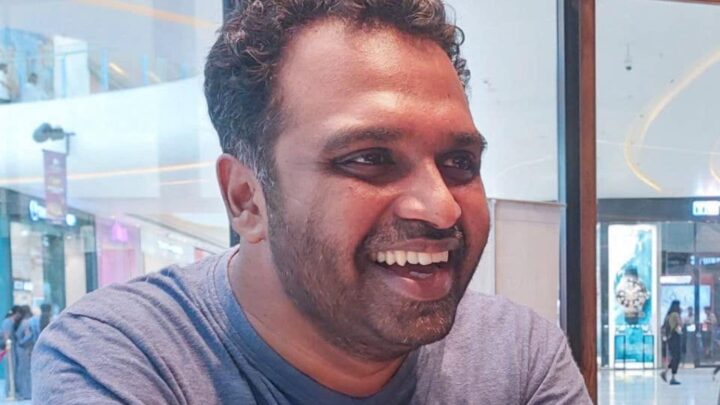
The story for Rakesh BS, 35 year-old and autistic, did not start when he was diagnosed; it started when the dry, scientific words of an expert revealed the reason why he had always felt different. Rakesh is a self-taught programmer, has been coding since 12 years of age and spent over two decades creating deep technology solutions in artificial intelligence, blockchain, embedded systems and mobile applications.
Also Read: Can Children Outgrow ADHD or Autism?
The 39-year-old lives at Thiruvananthapuram is currently working as Chief Architect for a London based AI company and has long learnt to see programming not just as code but an artform.
But for the professionally extraordinaire man, there was a silence battle raging on inside of him for many years. It was not until his early 30s that he experiences autistic burnout, long-term masking of autistic traits to fit societal norms resulted in a crippling condition manifesting itself as an absence of the passions that had provided meaning and purpose for him throughout his life. He finally accepted his neurodivergent self instead of masking it through therapy and a late diagnosis of autism.
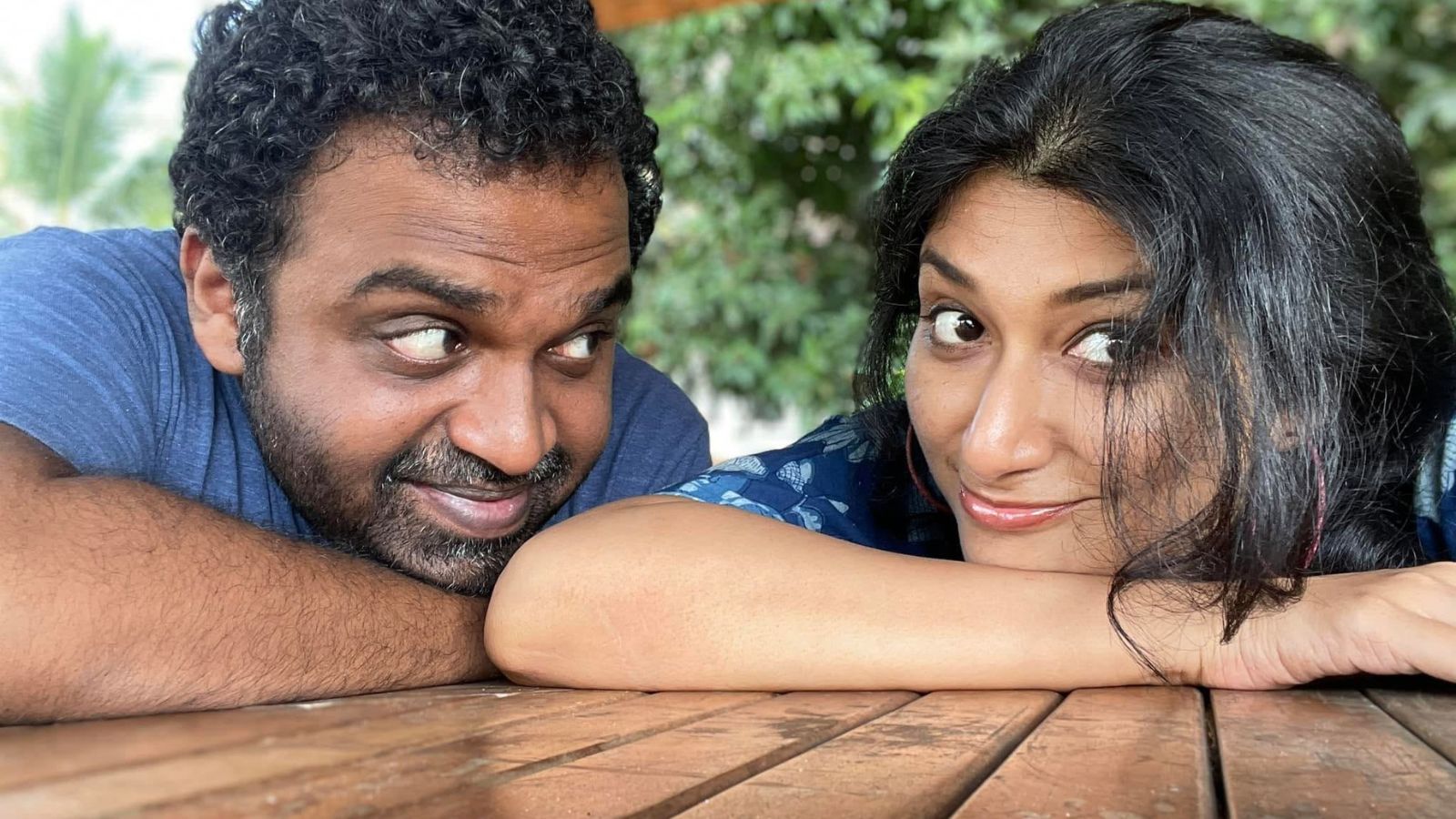
Hitha, an autism advocate from the media industry and Rakseh’s wife, has encouraged her husband in his journey of rebuilding a life around self-acceptance and meaningful work and photography — a creative pursuit he finds “soothing to the soul.”
In an age where social media is rife with misleading and often sensationalised content about autism and ADHD, Rakesh hopes that his lived experience will help to separate the myths from reality. In this conversation with All About Inclusive, he discusses the gaps that viral trends fill when sketching neurodiversity, how misinformation can hinder someone seeking diagnosis and support, and why listening to autistic voices is more important than chasing an algorithm.
Q) Social media is full of autism-related content today. What are the biggest myths or wrong messages people should stop believing?
One of the biggest myths social media needs to move away from is the idea that autism can be identified through a checklist of relatable behaviours.
Today, a lot of content is framed like, “Do you tap your feet? You might be autistic,” or “Were you quiet in class? You might be autistic.” The problem is that the same behaviour can arise from many different reasons. Someone may be quiet because they are introverted, socially anxious, traumatised, overwhelmed, or simply in an unfamiliar environment—not necessarily because they are autistic. Likewise, someone might tap their feet because they are anxious, bored, concentrating, or self-regulating. Some creators also generalise their personal traits and quirks which has nothing to do with autism and advertise them off as autistic traits. Such content only helps to create more confusion and to dilute the advocacy movement.
Also Read: Teaching Neurodivergent Girls About Periods: Senior Doctor Shares Proven Tools and Tips
A correct diagnosis can be life-changing, and so can accurate self-understanding. But meaningful self-understanding requires looking beyond behaviours to understand the underlying mechanisms. Context, developmental history, how often something happens, how much distress it causes, and how it affects day-to-day life all matter.
Social media can play a valuable role by helping people recognise patterns they had never noticed before. But that recognition should be the start of an investigation, not the end of it. The goal should not be to make every ordinary human behaviour sound autistic. It should be to help people accurately understand how their own brain works.
Q) What is one thing you wish society understood better about autistic adults?
I wish society understood the importance of empathetic listening and believing autistic people about their lived experiences. An autistic person’s experience may be completely different from a neurotypical person’s experience, but that does not make it any less real. Empathy must come from trusting the neurodivergent experience, listening patiently and validating it.
Every autistic individual is different in their needs and capabilities. Even the same person’s capabilities may shift at different times. There is no single way to understand or interact with all autistic people. Society must try to understand each person’s specific needs, communicate with an open heart and provide the necessary support and accommodations.
Also Read: School Denied Admission to Your Neurodivergent Child? Delhi High Court Lawyer Explains Your Rights
The lived experiences of autistic people should be given more weight than research and observations made only by neurotypical people.
Q) What advice would you give to autistic adults and their families who are trying to understand autism for the first time?
To autistic adults, I would say: You are not a broken human being. You are just different. Do not feel guilty about inconsistent or non-functional days. Growth can be erratic, and the graph does not have to be a straight line upwards.
Fight the urge to compare your life with neurotypical standards and milestones. There are many paths to a beautiful and fulfilling life. Before jumping into the diagnostic process, learn and educate yourself about your condition. No one else is going to be as invested in or as understanding of your case as you are, so do your research.
A safe and non-judgemental space is important for unmasking. Learn to honour your needs, make accommodations and draw boundaries with people who are unwilling to accommodate them.
To families, I would say: Do not deny or ignore the person’s autism. Listen with an open heart, believe them about their lived experiences and try to understand their individual needs. When a child or adult displays divergent behaviour, try to understand what is troubling them and join them in finding supportive solutions instead of blaming or labelling them. Please do not force solutions on them. Try to let them take the lead and be with them gently through the process. Genuine support can change lives.
Q) You have built a successful career in technology. What helped you reach where you are today?
I have always felt comfortable with machines. Machines do not cause me the anxiety that human interactions do. My father was an IT professional, so computers and books were available to me, and I started working on projects for him when I was 13. I later studied engineering and started my own company.
I turned down job offers from multinational companies, which I consider one of the most intelligent decisions I have made because I do not think I would have survived in those environments. I was intrinsically drawn towards independent employment and roles that required minimal social interaction, so I moved into research.
Even before I knew I was autistic, I intuitively designed a career that was more in tune with my needs and capabilities. I divided work with my partners so that my responsibilities mostly surrounded my strengths. Having a parent with unconventional but healthy ideas about education also helped me with my education and career.
The diagnosis later helped me identify some of the roadblocks I had been facing and make better choices. After the diagnosis, I started having small conversations with any new colleague about my condition so as to make them aware of my differences. This helps to avoid misunderstanding and to get me some accommodations when necessary.
Q) Do you think being autistic gave you any strengths that helped you succeed in your career?
Being autistic makes me obsessively search for answers when something piques my curiosity. It is an unstoppable, unavoidable obsession that prevents my brain from relaxing until I find my answers. This persistence on finding answers and solutions is the one trait of mine that has helped me gain the competence I have in my field. But it is both a strength and a challenge that has in many situations become detrimental to my health and wellbeing.
I am comfortable with machines and experience no anxiety around them. I am usually faster than most people when it comes to my chosen field of work, although I need very specific settings for optimum performance.
My career became more manageable because I chose roles and divided responsibilities around my strengths rather than trying to become a well-rounded person. Impactful changes in the world are often brought about not by well-rounded people, but by people who play to their strengths.