Most parents would fear losing sight of their child for a few seconds. That fear is even greater for parents of autistic children—particularly those who are non-speaking or prone to wandering. Traditional safety solutions, such as GPS watches, ID bracelets and wearable trackers, tend to break down for autistic children who are unable to tolerate a temporary piece of equipment on him or herself due to sensory sensitivities.
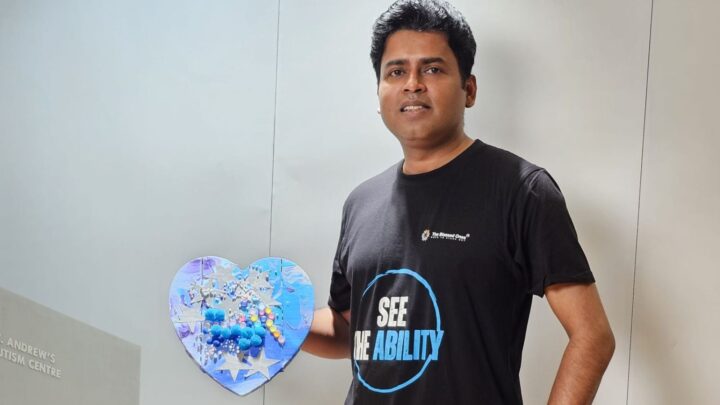
This gap prompted Amitej Priyadarshi, founder of The Blessed Ones, Coables and SafeScan, to create a solution that is different altogether. Amitej drew inspiration in part from his own daughter, who was diagnosed with autism when she was two-and-a-half years old and wanted a design for a safety tool that kids would actually wear. This led to SafeScan—a QR code-driven identification system directly built into clothes, which connects anyone that finds a child with emergency contacts and relevant support information instantly while also notifying their parents at the same time.
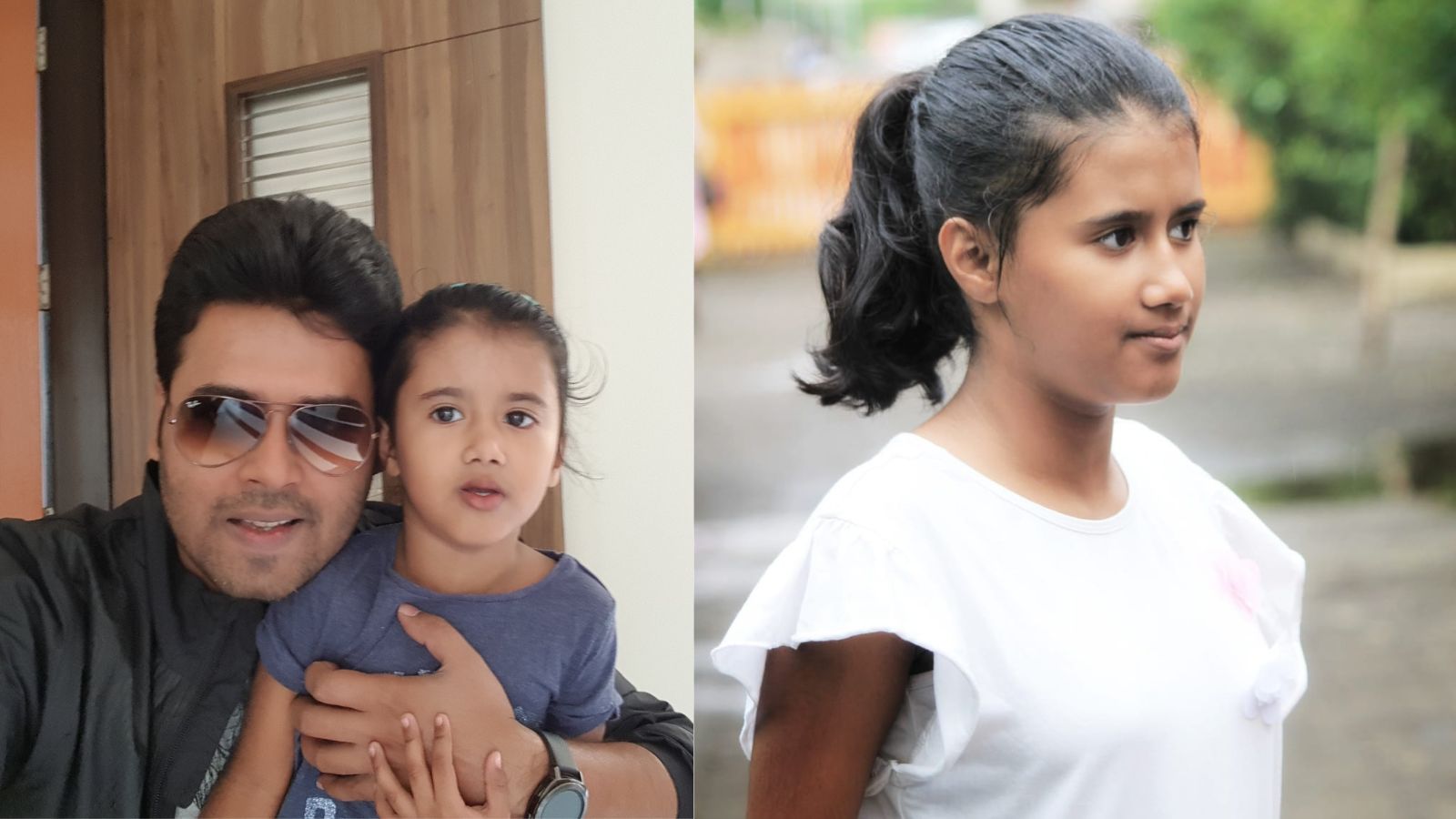
In this conversation, he talks about the lessons his daughter taught him, why simple solutions often outlast expensive technology and how SafeScan hopes to make those first few minutes after a child goes missing more secure for families.
Edited excerpts from the interview:
Q: You often say SafeScan was born from your daughter’s journey. Can you take us back to the moment you realized traditional child safety solutions simply weren’t working for many autistic children?
Our daughter was diagnosed with autism when she was about two and a half, back when we were living in Singapore. We started her in an early support program almost immediately, and at that point, her needs were considered quite high. But the interesting thing is, when we moved back to India a few years later, her assessment changed. It just goes to show you that this journey isn’t set in stone—it shifts and changes as our kids grow, which is something every parent eventually learns.
Also Read: Living With BPD and Endogenous Depression: Garima Johar’s Story of Navigating Mental Health
The biggest hurdle for me wasn’t the diagnosis, though—it was the constant worry about her safety when we left the house. Any parent knows that feeling: you look away for just a few seconds at a busy wedding or a park, and your heart stops. When I started looking for tools to help with that, I realized most things out there just weren’t designed for kids like ours.
Take GPS watches, for example. They sound great, but for a child with sensory issues, a heavy, vibrating strap on their wrist can be overwhelming. They’ll rip it off in a heartbeat. And for kids who don’t speak, even a bracelet that says “I have autism” doesn’t give a stranger a clear plan on how to help. I didn’t need fancy technology; I needed something my daughter would actually keep on her and something that would work in those few minutes of panic.
That’s the gap I kept running into. Not “does the technology exist” — it does — but “will my child actually tolerate wearing it, and will it work in the sixty seconds that matter.” That question is what really started SafeScan
Q: As an autism father, how has your personal experience shaped every decision you’ve made while building The Blessed Ones and Coables?
Honestly, my life as a dad has driven everything. When we moved back to India, we fell into the same trap many families do: running from one clinic to another. We were spending our whole lives in traffic or sitting in waiting rooms for a short 40-minute session. It was exhausting for us, but it was even harder on her.
If your child is sensitive to noise and lights, an hour in traffic isn’t just a commute—it’s a struggle. By the time she got to therapy, she was already overwhelmed, so we weren’t even getting the full benefit of the session. Plus, if the therapist doesn’t show you how to help at home, those few minutes a week aren’t enough to make a real difference in the long run.
I also noticed that working with just one person in a quiet room didn’t help her learn how to be out in the world. We don’t live in a quiet room; we live in a world full of people. I wanted a place that felt more like a community where a whole team works together, rather than just isolated sessions.
Also Read: Can Children Outgrow ADHD or Autism?
I used to work in a very corporate, structured world of finance, but being a father to my daughter taught me something much more important. You can’t plan for our kids using a spreadsheet. You have to design things based on what actually happens in the car, the waiting room, and at home. Everything we do now is based on one simple question: “Would this have actually helped my family when we were struggling?
Q: Most child safety devices rely on wearables. What made you believe the answer was not another gadget, but something as simple as a QR code on clothing?
Because the problem wasn’t the tech; it was how hard it was to use. A gadget only works if a child wears it and if it stays charged. For many of our kids, those are big asks. A QR code on a favorite T-shirt is different—it’s just part of their clothes. There’s nothing to charge or fidget with. It’s simple, and simple is what works when you’re having a tough day.
A QR code heat-transferred onto a T-shirt, on the other hand, isn’t something the child has to “wear” in the way we usually mean it — it’s already part of the clothing. There’s nothing to fidget with, nothing to remove, nothing to charge. It just exists on something they were going to put on anyway. Simplicity was the whole design philosophy — not because simple is easier for us to build, but because simple is what actually survives contact with a real child having a real day.
Q: For parents of children who may wander or are non-speaking, what makes SafeScan different from GPS watches, ID bracelets, or tracking devices already available?
Most tools try to track where a child is, but SafeScan focuses on what happens the moment someone finds them. If a stranger finds a child who can’t explain who they are, they don’t need a map—they need to know who to call and how to keep that child calm right then and there.
Also Read: Teaching Neurodivergent Girls About Periods: Senior Doctor Shares Proven Tools and Tips
When someone scans the code, they see a simple profile with emergency contacts and tips on how to help. Meanwhile, the parent gets an instant alert on WhatsApp. It’s built for those sixty seconds of crisis when a child is found, making sure help is fast and the parent is informed immediately.