Every few months, news reports about a possible “breakthrough” in autism make big headlines worldwide. “Drug reverses autism-related behaviour in mice, Scientists find a potential molecule”- such reports make their way into social media almost immediately, giving hope to million parents that the doctors are on the verge of a treatment—or perhaps even a cure. News like this can be exciting, hopeful but also troubling for families of children with autism spectrum disorder (ASD). So what are these studies really saying?
Scientific advances are encouraging, but experts say that it is equally important to distinguish between exciting discoveries in the laboratory and treatments proven successful in clinical practice.
Why Mouse Studies Matter—but Have Their Limits
Mouse models have been utilized for a large portion of autism research, due to the ability to explore specific genes and neuronal pathways that Autism relates to. They can also assess whether experimental drugs enhance social interaction or decrease obsessive behaviours.
Also Read: Why The SC’s Intervention On Therapy Centres Could Be A Turning Point For Special Children
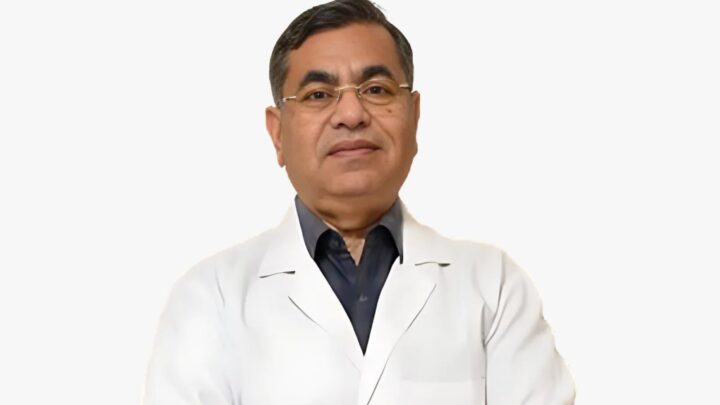
These studies are important to get insight into how the brain works, but just the first mile in a marathon, says Dr Vijay Sharma, Associate Director & Head – Paediatrics, Neurology & Child Development at Asian Hospital.
Dr Sharma cites one of the biggest problems being “the complexity of autism itself.”
“The issue is that autism is an incredibly multifaceted disorder. It’s not one condition, but rather a spectrum of how brain developmental differs and that manifest differently from person to person. A mouse may aid research on biological mechanisms, but it cannot echo the human languages, emotions and relationships or social contexts that shape development,” he says.
This is, he adds, one of the reasons why many drugs that look promising in animals do not work when tested in people.
Why Promising Drugs Often Fail in Humans
As many headlines have suggested, transitioning from successful animal studies to helpful human treatments is much tougher than it seems.
Dr Sharma explains: “Some medicines do not work, and side effects can outweigh potential benefits. A drug can change a biological pathway linked to autism, but not lead to meaningful improvements in communication, socialization or daily living skills.”
Also Read: Can Children Outgrow ADHD or Autism?
This difference between success in the lab and actual clinical benefit places a premium on human trials before any treatment is available.
What Medicines Can—and Cannot—Do Today
Untill now, no drug is known to target the core symptoms of autism and research on it is ongoing.
Dr Sharma also revealed that “Medication may also, as clinically indicated, be recommended to treat related disorders including anxiety, irritability, attention problems, hyperactivity or sleep problems.” “These are not cures, but some people find that these treatments can enhance quality of life.”
He stresses that medicines should be seen as tools in assisting with co-occurring conditions, not treatment to modify innate traits of autism.
Beware of ‘Miracle Cures’
Families looking for ways to help their children are particularly susceptible to strong promises about unproven therapies.
Dr Sharma warns that parents should be cautious of miracle cure type therapies. “They are focused on unproven supplements, stem cell therapies and expensive experimental interventions offered with grand promises but little science,” he says.
Also Read: From India to Canada: A Father’s Journey for His Autistic Daughter
He cautions that investigations of these treatments expend family resources, both financial and emotional, on interventions for which there is little or no scientific basis. Meantime, families are missing out on treatment options shown by well-conducted clinical trials to be effective.
Evidence-Based Support Still Holds Up
Although researchers are identifying innovative opportunities, established therapies continue to comprise the backbone of autism treatment.
Also Read: Teaching Neurodivergent Girls About Periods: Senior Doctor Shares Proven Tools and Tips
Dr Sharma says: “The best evidence still favours early intervention, speech and language therapy, occupational therapy, behavioural support, inclusive education and family-centred care based on the needs of each child. Such interventions aim to develop communication, daily living and social and learning skills in children while providing family support throughout the process.”
Looking Ahead with Informed Hope
Autism research progresses with the hopeful aim of more precise medicine, testing hypotheses grounded in genetics and brain biology.
Dr Sharma says: “Such advances might someday enable more precise therapies. The best approach until then is to be evidence-based, not headline based. Hope is useful for families — but it turns out well-informed, science-backed hope translates to better outcomes.”
Optimism about the future of autism research is well-founded, but experts say that realistic expectations and evidence-based care — rather than a cure — are still the best bets to improve the lives of people with autism and their families.