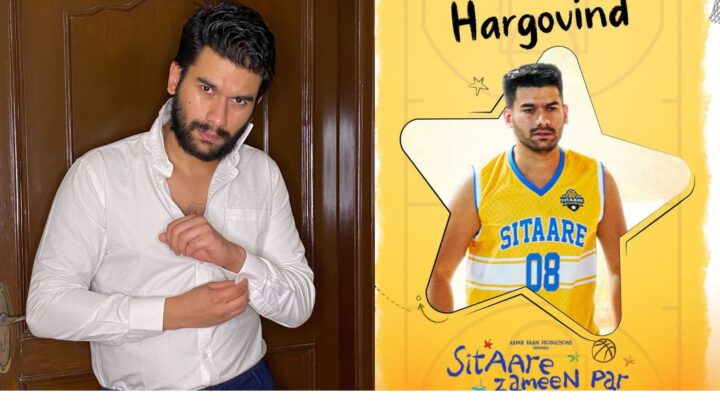
For Naman Misra, playing the character Hargovind in Aamir Khan’s movie ‘Sitaare Zameen Par’ was much more than playing the part; it represents his own life and experiences. Diagnosed with autism at the age of five, Naman has grown up with difficulties in communication, sensory sensitivities, being bullied and trying to cope with a world that does not always understand him. He says that social acceptance has been one of the toughest parts of growing up with Autism. Yet, with the help of his grandparents, parents, and sister, Naman has learned to accept his strong points, overcome his fears, and realize his strengths.
Notwithstanding all the difficulties and having been told that he would never finish school, Naman Misra has not only graduated but even managed to get both his bachelor’s and master’s degrees. His life experience of being bullied to playing the role of an autistic man is reflected in one quote: “Sabka apna apna normal hai.”
Also Read: Pranav Bakhshi Saw Himself in Mr. Bean. Today, He Is India’s First Fashion Model with Autism
In this candid conversation with All About Inclusive, Naman Misra, 31 years old who is presently working at SAP Labs India Pvt Ltd at their Gurgaon office as a Developer Associate, looks back at the experiences that shaped him—from his early diagnosis and difficult school years to the support of his family, discovering his strengths and finding confidence in his own identity. He also opens up about what it meant to portray Hargovind in ‘Sitaare Zameen Par’ and why the film’s message, “Sabka apna apna normal hai,” resonates so deeply with his own journey.
Excerpts from the Interview:
Question) You were diagnosed with autism at five. What do you remember about those early years, when even doctors had limited understanding of Autism?
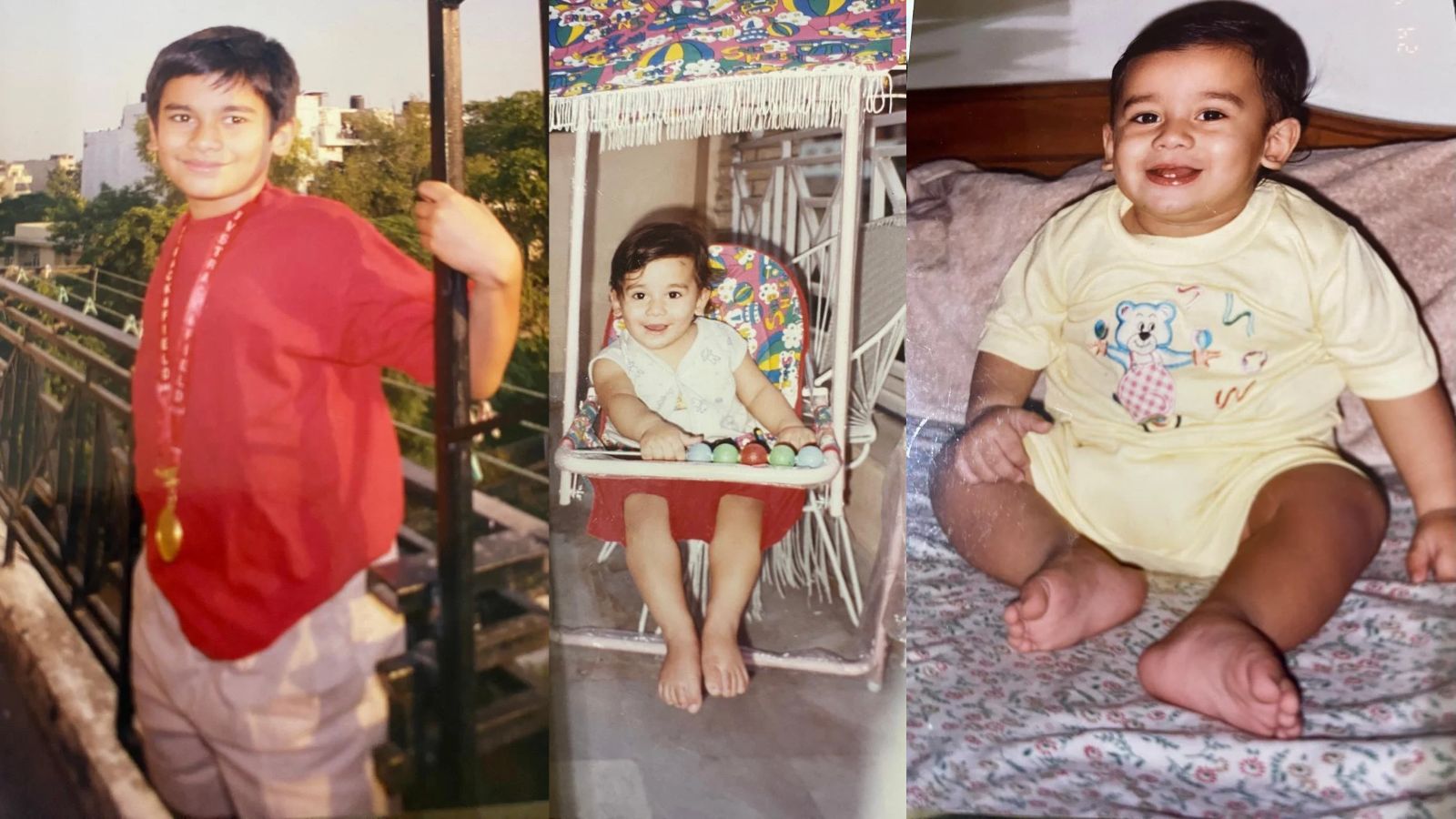
Answer) I don’t exactly remember much about my early years, but my parents have narrated to me about the difficulties in getting me a diagnosis and understanding reasons for my challenges. I vaguely remember going to doctors and centres and I hated the waiting rooms! I’m sure no parent wishes to see the child suffering and does their best to help their child. Let alone awareness, terms like disorders and mental health were stigmatized.
Question) You have spoken about avoiding eye contact, sensory sensitivities and communication challenges. What was the hardest part of being a child who experienced the world differently?
Answer) Lifelong acceptance, the fear of being ostracized just because I am vastly different from others, the feeling of indignation and displeasure that was pointed towards me. Social acceptance was the hardest part. Well, it took a lot of time for me to truly self-reflect what I have been lacking since childhood and hoping that I deserve to be a better person, more than anyone else, by proving to those who doubted me of my capabilities.
Also Read: The Mother I Became After My Child’s Autism Diagnosis
Question) Your family stepped in when your fears and frustrations became overwhelming. What did their support mean to you when you could not yet understand what was happening to you?
Answer) I owe my family everything throughout the darkest of times. I overcame countless obstacles only through their support. Despite growing up with busy working parents, both my grandparents gave me a wonderful childhood. My sister has been a friend, guide and supporter. I wish to be able to repay my debt to my grandparents as they grow older.
Question) You faced bullying and laughter from classmates despite your school trying to create awareness. What did those experiences teach you about what true inclusion really means?
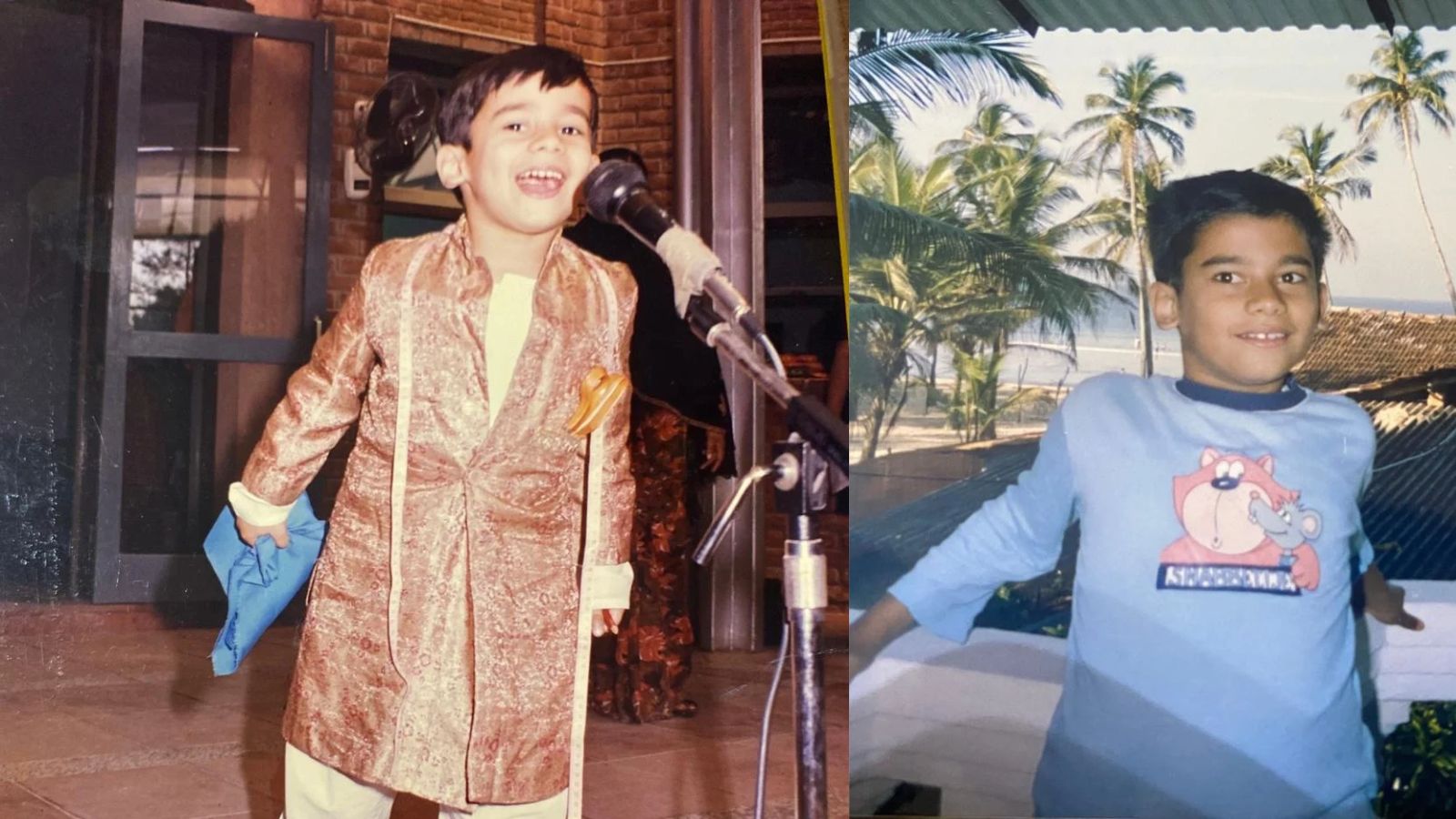
Answer) I just couldn’t express my emotions and was unable to read social cues. For eg. I could never understand the fact whether my peers were laughing with me or laughing at me just because I perceive things differently. It took a lot of time for me to accept my diagnosis which I did when I was about 16-17 years of age.
Question) You have said that once you understood your strengths and limitations, you knew what you had to do. How did that understanding change the way you saw yourself?
Answer) It taught me to shape myself being a better individual and each day, I keep learning new things that boosted my self-confidence and doing with greater conviction and diligence.
Question) People once told you that you might never complete your education, yet you went on to complete both your bachelor’s and master’s degrees. What kept you going when others had already decided what you could or could not achieve?
Answer) My desire to be successful, to lead a comfortable life kept me going. I always believed in myself. All I have done, is to just do my job diligently and make this as a part of my life’s objective, i.e. complete my education as early as possible, both gaining knowledge and maturity.
Also Read: Faith Over Fear: Dubai-Mother Dr Nazima Saiyed on Raising Her Non-Speaking Autistic Son
Question) From swimming and cycling to education and becoming independent, how important was it for you to be given opportunities to try, struggle and learn rather than being protected from every challenge?
Answer) Let the bird be out of the cage, if it fails to spread its wings, it’s normal to fail, but one thing that I have always believed in, is attempt to succeed and overcome fears and obstacles. The more that bird attempts to spread its wings, the higher chances of a bird’s motion in flight, confident and bold in many ways. I was fortunate enough to get a chance to try new things and family who pushed my limits while still protecting me.
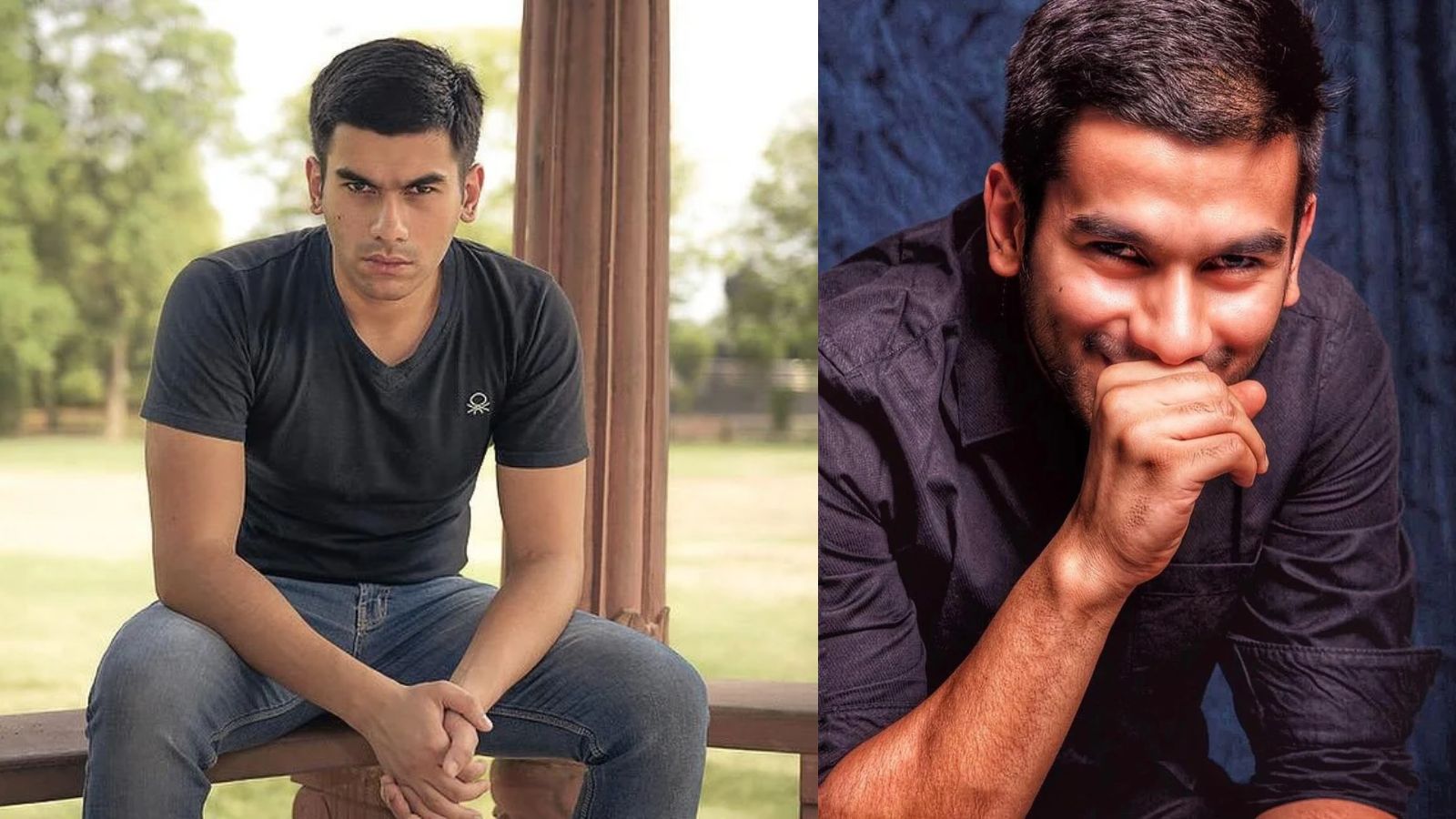
Question) You have described yourself as a visual learner with a strong memory and a love for encyclopaedias. How important was it to discover and build on your strengths instead of constantly focusing on your challenges?
Answer) As a kid, I was overly fascinated with pictures that gave me a chance a creatively use my vivid imagination. My memory is my greatest strength, and it helped me in academics, daily life and while working in the film. It’s just not books; music, films or any other entertainment enhanced my creativity skills to its fullest. So, I had always made this as a top priority for me, focusing this first and then possibly moving to another challenge. This idiom always remained with me throughout my life: “Cross the bridge when you come to the bridge”.
Question) To a young parent who has just heard an autism diagnosis and is scared about their child’s future, what would you want to tell them from your own journey?
Answer) All hope is never lost, let the child understand his strengths first, and then those strengths can potentially overlap the challenge in a different approach, irrespective of a skill.
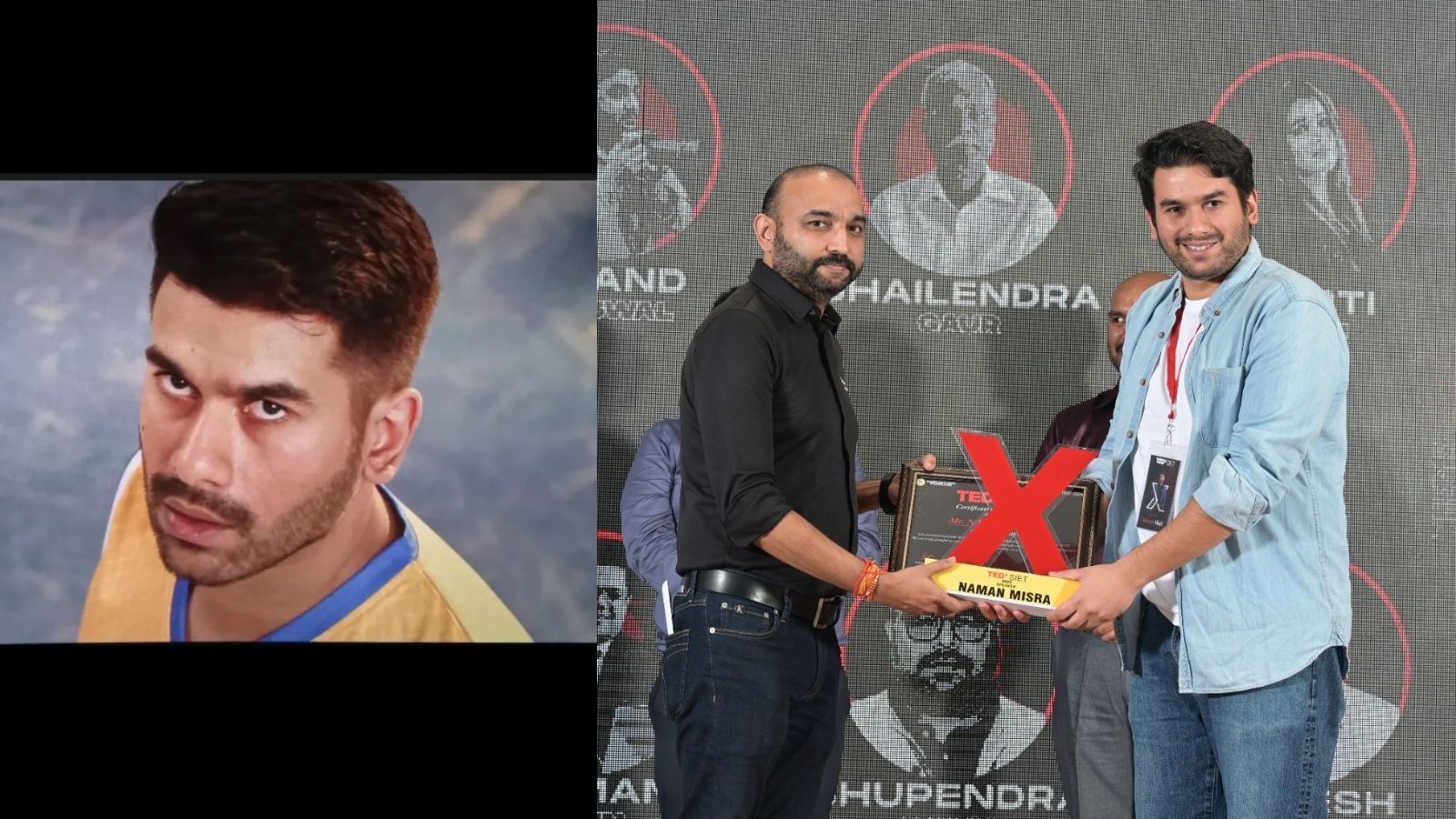
Question) Today, you are playing an autistic adult in ‘Sitaare Zameen Par’ After living this journey yourself, what did stepping into that role mean to you—and what do you hope audiences understand about autism after watching you?
Answer) It is important for people to know about invisible disabilities. A person may not look different at first glance but could have many challenges.
‘Sitaare Zameen Par’ was my chance to prove the world that inclusion and acceptance always win over the rigidity of the way the world works. We “neurodivergent” can achieve everything that a neurotypical had been doing throughout their lives. This theme is to just bring smiles to the audience, giving a wonderfully executed message that the world is also our oyster and it’s our time to shine.
Also Read: Her Speech Was Delayed, Not Her Potential: Story Of 10-year-old Sanvika
Question) You have experienced both exclusion and acceptance. What does a truly inclusive society look like to you—and what is one change you wish every school, workplace and community would make?
Answer) The tagline, “Sabka apna apna normal hai” answers this question perfectly and everyone should embrace others even if they are different. A truly inclusive society should treat everyone equal and with the same respect.