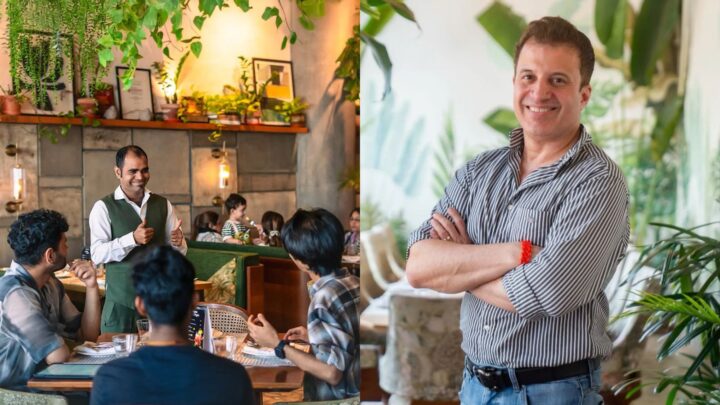
A restaurant is generally all about food, service and conversation, but at Ishaara, some of the most meaningful conversations are taking place without a single word being said.
When Prashant Issar set up Ishaara back in 2019 he wasn’t looking to create a charity fronted as a restaurant. After years of working in the hospitality sector both in India and London and managing Michelin-starred and globally renowned restaurant brands, Issar knew that any move towards inclusion had to be able to stand alone as a viable business.
So, he set about creating a restaurant where not only could people who have a Speech and Hearing Impairment find work, but where they could flourish and grow their careers.
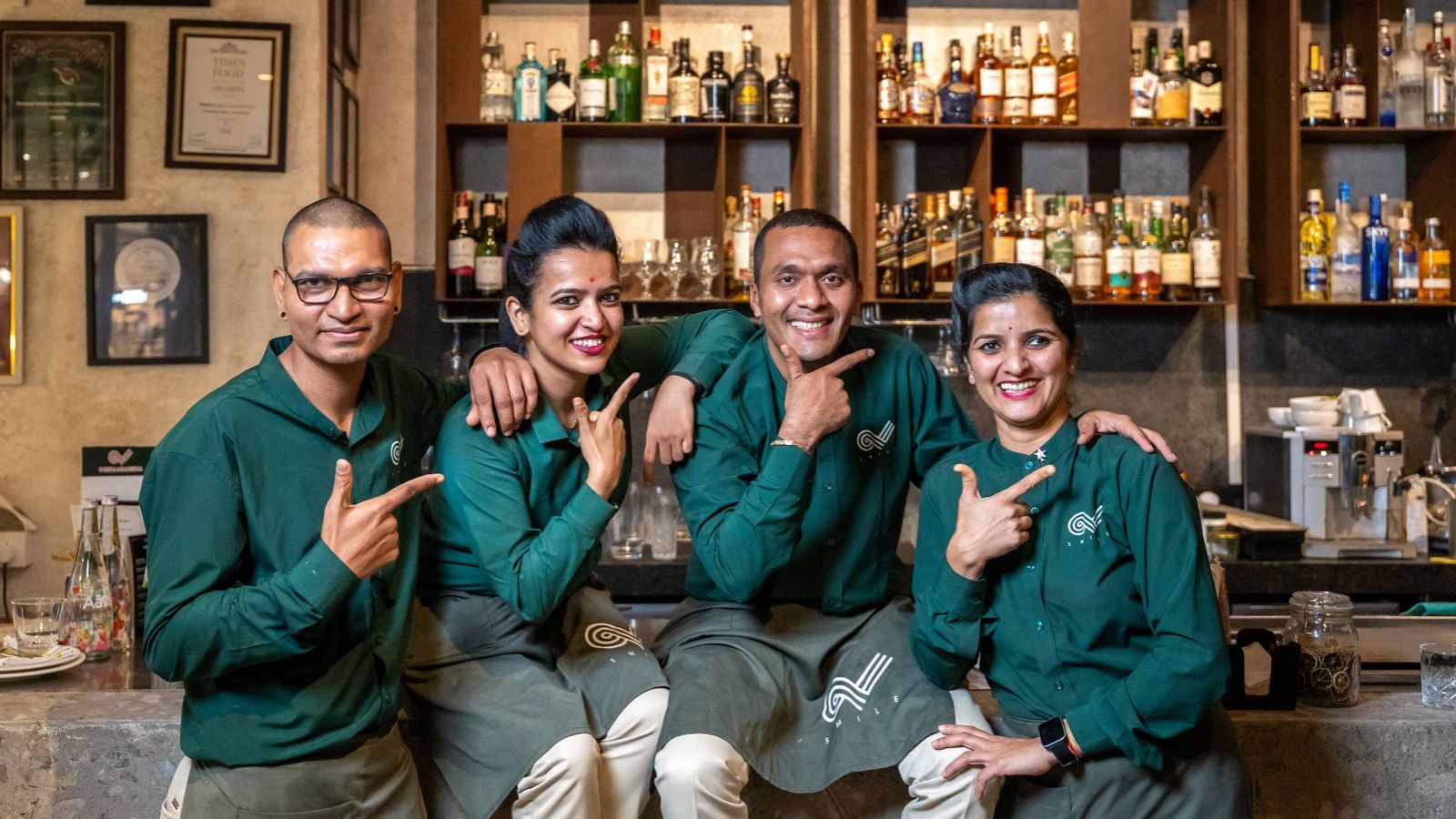
What began as a simple question of moving from what these amazing people can’t do to firstly asking what they can do has seen the multi-million-pound brand spread across multiple cities. As the Ishaara story grew, those that joined the team have moved from having to learn the ropes of the hospitality sector to teaching new joiners and moving up through the ranks.
Also Read: Her Speech Was Delayed, Not Her Potential: Story Of 10-year-old Sanvika
Ishaara’s success lies in the fact that it does not ask guests to feel sorry for those who work there or make concessions to conventional hospitality practices. Instead, it simply asks guests to embrace a different kind of inclusion and allow everyone at the table to enjoy the experience.
In an exclusive interview with All About Inclusive, Mr Prashant Issar, Managing Director, Bellona Hospitality and Founder of Ishaara, talks through what lessons have been learned from setting up Ishaara, why inclusion isn’t just about simply finding people with Speech or Hearing Impairment, but how it has also shaped the way the company works and what the people who work for Ishaara can grow to be.
Issar opens up on his thoughts around creating a more inclusive society without making concessions to those that need them and how, by simply giving people the chance to learn new skills, Ishaara has been able to help move people on from being a trainee to being able to train others.
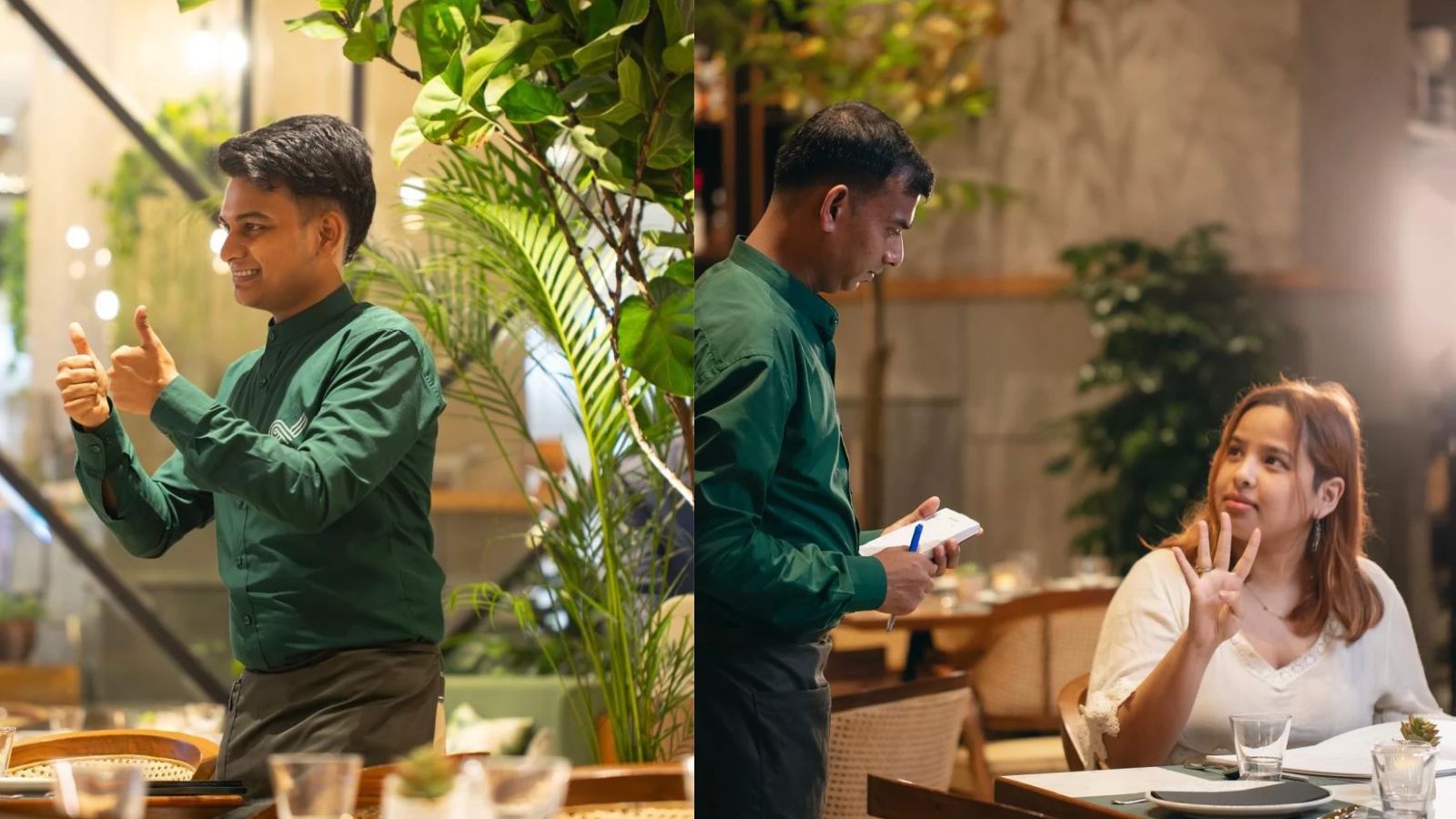
Question) You often say that Ishaara hires people for their abilities, not their disabilities. What did you see in Deaf employees that made you realise they could bring something unique to hospitality?
Answer) When we started Ishaara, I never asked what a Speech and Hearing Impaired (SHI) person couldn’t do. I asked what they were good at — that distinction matters more than people realise. I’ve spent years in the restaurant business, and one thing has always stood out to me is that hospitality is fundamentally about observation. A good host senses a guest’s need before it’s voiced — reads an expression, notices a shift in body language, responds before being asked.
What struck me about many of our SHI team members was how naturally attuned they already were to exactly this. They notice things, they are more focused, they smile more and they are more intuitive. That’s when it became clear to me — good hospitality was never really about words. Our role was simply to build an environment where that capability could be put to use.
At Ishaara, we hire for ability first, then invest in the person.
Also Read: Can Nature Be a ‘Therapy’ for Autism, ADHD? What New Research Says
Question) “Our staff talk with their hands and listen with their eyes.” What has Ishaara taught you about communication that goes beyond spoken language?
Answer) Ishaara has taught me that we, as hearing people, strangely lack the power to listen.
In a restaurant, we assume communication means taking an order or answering a question aloud. But a great deal of hospitality happens in silence — in how a guest looks at the menu, whether they seem at ease or unsure, the small cues that say more than speech ever could. Our team reads those cues with remarkable precision. They speak through gesture, expression and presence, and they listen just as intently, only with their eyes instead of their ears.
It’s changed how I communicate too. I’m more conscious now of eye contact, of patience, of simply being present with whoever is in front of me. If there’s one lesson, I keep coming back to, it’s this — communication was never about how much saying and hearing, it is about listening.
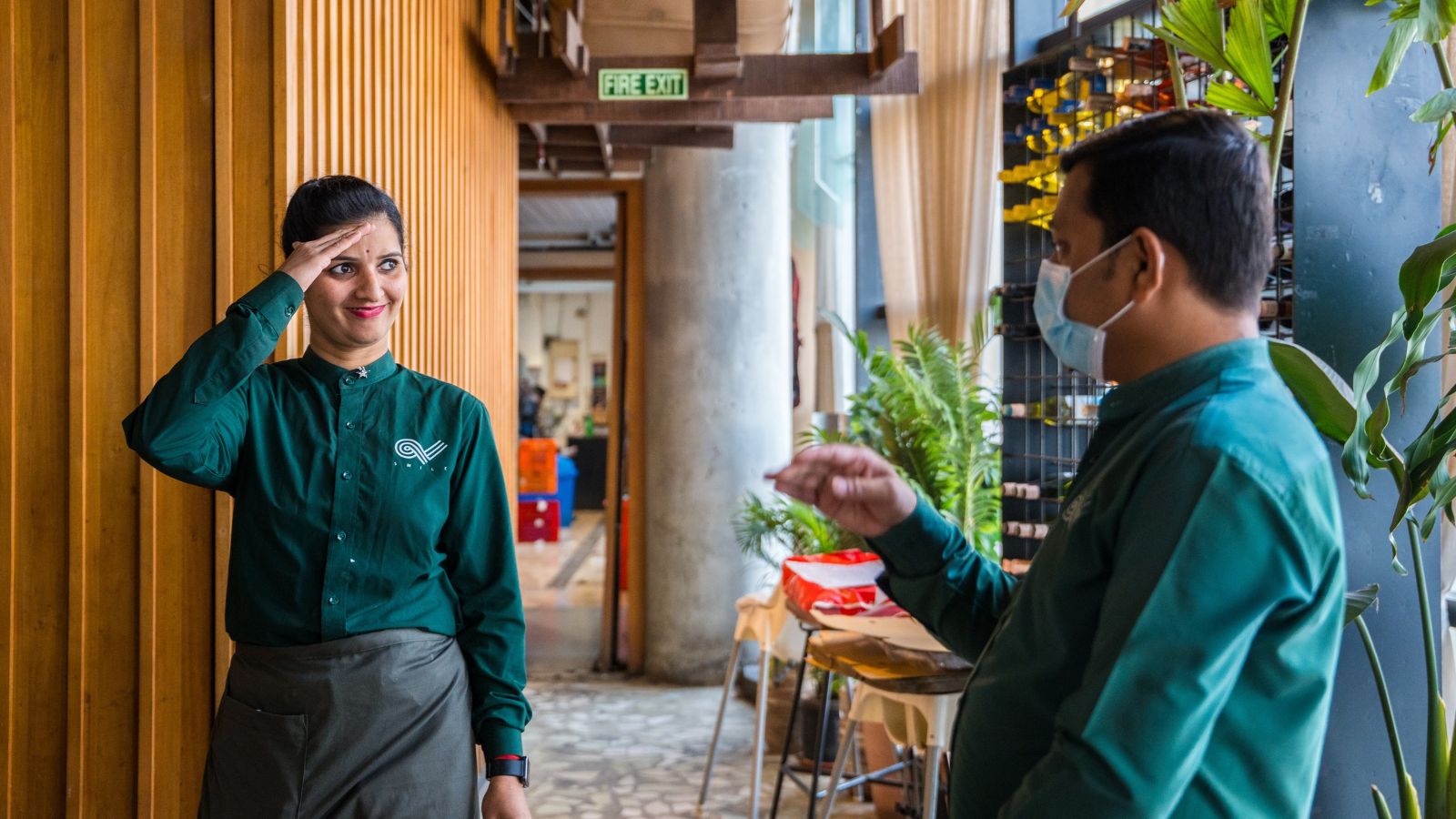
Question) Ishaara was designed as a restaurant first, not a charity initiative. How important was it for you to prove that inclusion and business sustainability can go hand in hand?
Answer) I never set out to prove a point to anyone. From day one, my priority was for Ishaara to be a genuinely good restaurant serving good food — full stop.
A guest who visits once out of goodwill isn’t sustainable for business. The guest who returns because the food, service and experience was the objective. So culinary excellence and inclusion were never in competition at Ishaara; they had to carry equal weight from the start.
Over the years, the results have spoken for themselves. We’ve expanded across cities, built a loyal customer base, and served hundreds of thousands of guests. What I’ve learned is that inclusion carries far more weight when it lives inside a successful business, rather than sitting beside it as a separate cause.
Also Read: She Spent 34 Years Trying to Fix Herself Then Autism Gave Her the Answers
Question) Over the years, employees at Ishaara have grown into leadership and training roles. What changes have you witnessed in their confidence, independence and aspirations after joining the workforce?
Answer) Watching my people grow into trainers and managers has probably been the most rewarding part of this journey for me.
In the beginning, the focus is always on the basics — learning about the restaurant, the service standards, the rhythm of the workplace. But somewhere along the way, something shifts. People stop treating it as a job and start treating it as a career.
I’ve seen individuals who once needed constant support now go on to training new joiners themselves. They start making decisions, taking on responsibility, and perhaps most importantly, imagining what comes next for them. Their ambitions expand.
That, to me, is where employment truly earns its value. It isn’t only about a salary. It’s about independence, reliability, a sense of belonging, and the confidence that you can build something of your own. I don’t measure inclusiveness by headcount. I measure it by whether people, once inside the organisation, get to grow. When someone from our team steps into a training role, takes on management, or becomes an example to others — that’s the real signal we’re doing something right. It means an opportunity turned into a career, which is exactly what we set out to give everyone at Ishaara.
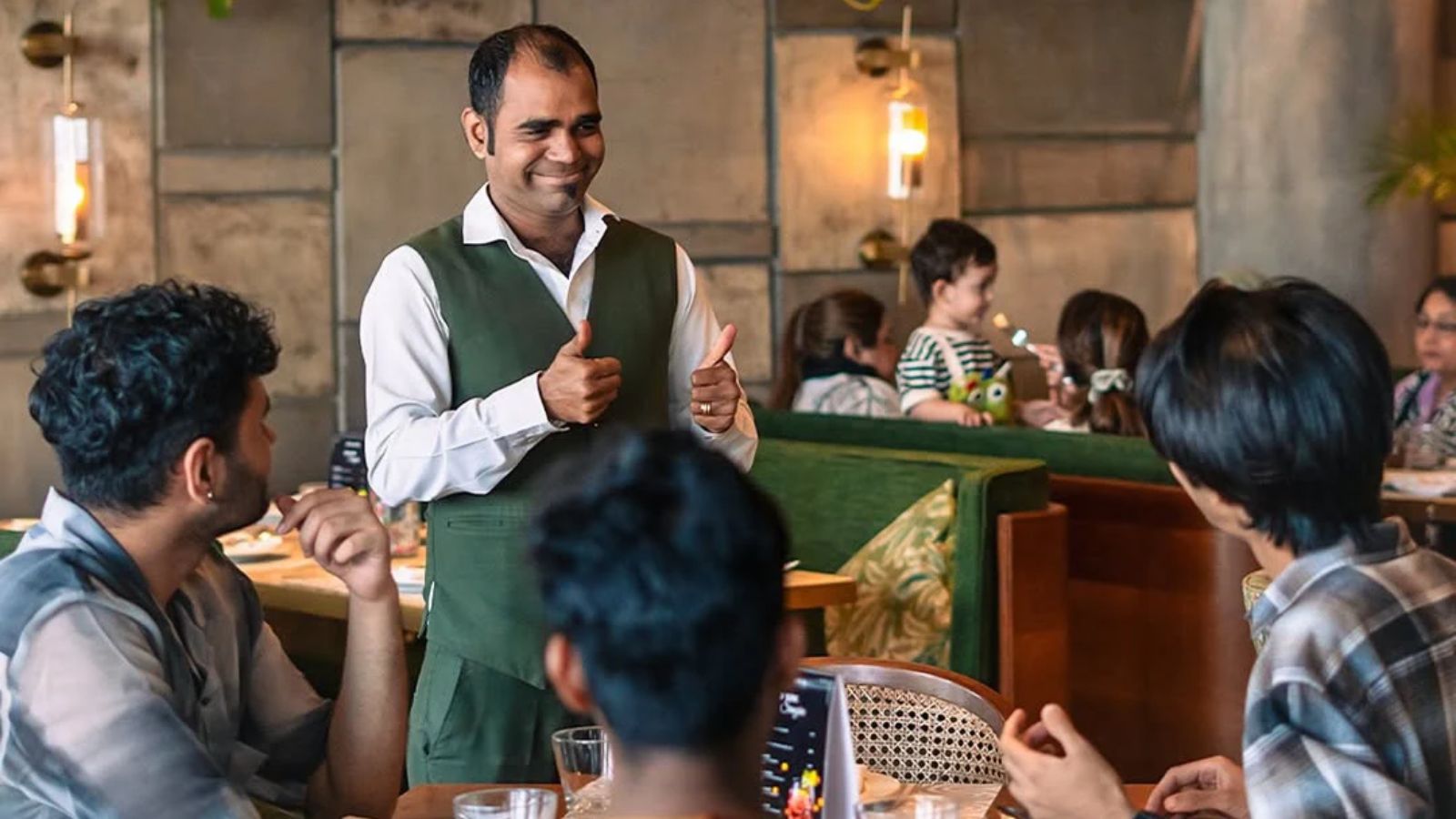
Question) For many hearing customers, stepping into Ishaara may be their first real interaction with the Deaf community. What do you hope they understand or unlearn through that experience?
Answer) My hope is that guests leave Ishaara having forgotten, if only briefly, that they were interacting with someone with a disability. It sounds like an odd thing to hope for, but it matters to us and we have seen it happen. Guests leave with a sense of intrinsic satisfaction having communicated beyond the realms of conventional language.
Some guests arrive unsure they may not know sign language or carry assumptions about what a deaf person can or can’t do. But once the meal begins, those assumptions tend to fall away quickly. What they’re left with is simply a professional taking their order, serving their food, attending to their table.
Our team isn’t defined by what they can’t hear or say. They’re defined by what they can do. If a guest walks out thinking, “I hadn’t considered disability that way before,” then we’ve achieved something worthwhile. The best way to shift someone’s perspective usually isn’t to lecture them. It’s to give them an experience that quietly challenges what they assumed to be true.
Question) India still has a significant gap between people with disabilities who can work and those who actually find employment. What needs to change in the hospitality industry for inclusion to become the norm rather than an exception?
Answer) The first thing that has to change is the hiring mindset itself.
Too often, businesses start by asking what a person can’t do, instead of asking what they can do — and what support would help them do it well. Hospitality has room for this shift. Guest services, kitchens, stewarding, housekeeping, back-end operations, training, and eventually supervision and management all offer different entry points. What’s required is a willingness to train differently, and at times, to rethink how a role is designed in the first place.
But inclusion can’t end at the point of hiring. Bringing someone on board simply to fill a number isn’t inclusion — it’s a headcount. Real inclusion requires training, progression, responsibility, and a genuine path to a career.
Ishaara has shown that this model works as a business, not just as an idea. We’ve grown into a profitable operation with an inclusive workforce, expanded into five cities — Mumbai, Pune, Bengaluru, Lucknow and Ahmedabad — since 2019, and we continue to scale. What the industry needs isn’t more exceptions. It needs more companies willing to demonstrate, in practice, that inclusion can be commercially sound — not despite the business case, but because of it.
Also Read: Autism Diagnosis to Graduation: US-Based Mother Vidya Banerjee on Believing in Her Son
Question) On International Day of Sign Languages (Sep 23) , if you could teach the hearing world one lesson from the Deaf community about work, communication or human connection, what would it be?
Answer) If I had to choose one lesson, it would be to slow down and pay attention.
We live in a world full of people talking and very few listening. At Ishaara, I’ve learned that you can say a great deal without uttering a single word provided you’re willing to observe. My team has taught me to notice expressions, gestures, body language — all the small signals we usually rush past. The second lesson, equally important, is to never define someone by what they can’t do.
Inclusion isn’t a feeling. It’s an opportunity. If we can learn to listen a little more — with our eyes as much as our ears — I believe we’d understand each other far better than we do today. That’s what Ishaara has always been about.