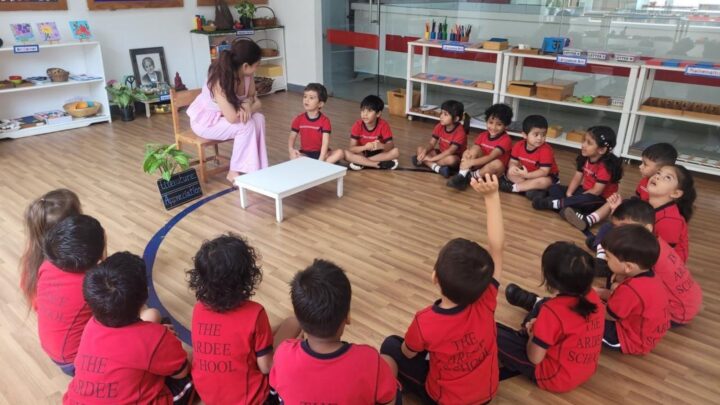
It all started when she noticed a little child reading a book in silence. The girl stayed to herself while other kids listened, giggled, and eagerly joined in. She had a disability, and even after the session was over, Spardha Chaturvedi was still affected by something about that little girl’s quiet demeanor.
Everything changed at that very moment.
As a mother of a two-year-old boy, Spardha started to view inclusion as something very personal—the basic human need to feel seen, understood, and included—rather than just an educational concept.
She currently holds an ISL certification in sign language, a Harvard certification in early childhood development, and an ASL certification apart from being an Eraly Childhood Development expert, Sign language author and Founder of The Little Listener’s Club and Dear Childhood Project. Additionally, she has applied for an inclusive education certificate from Harvard.
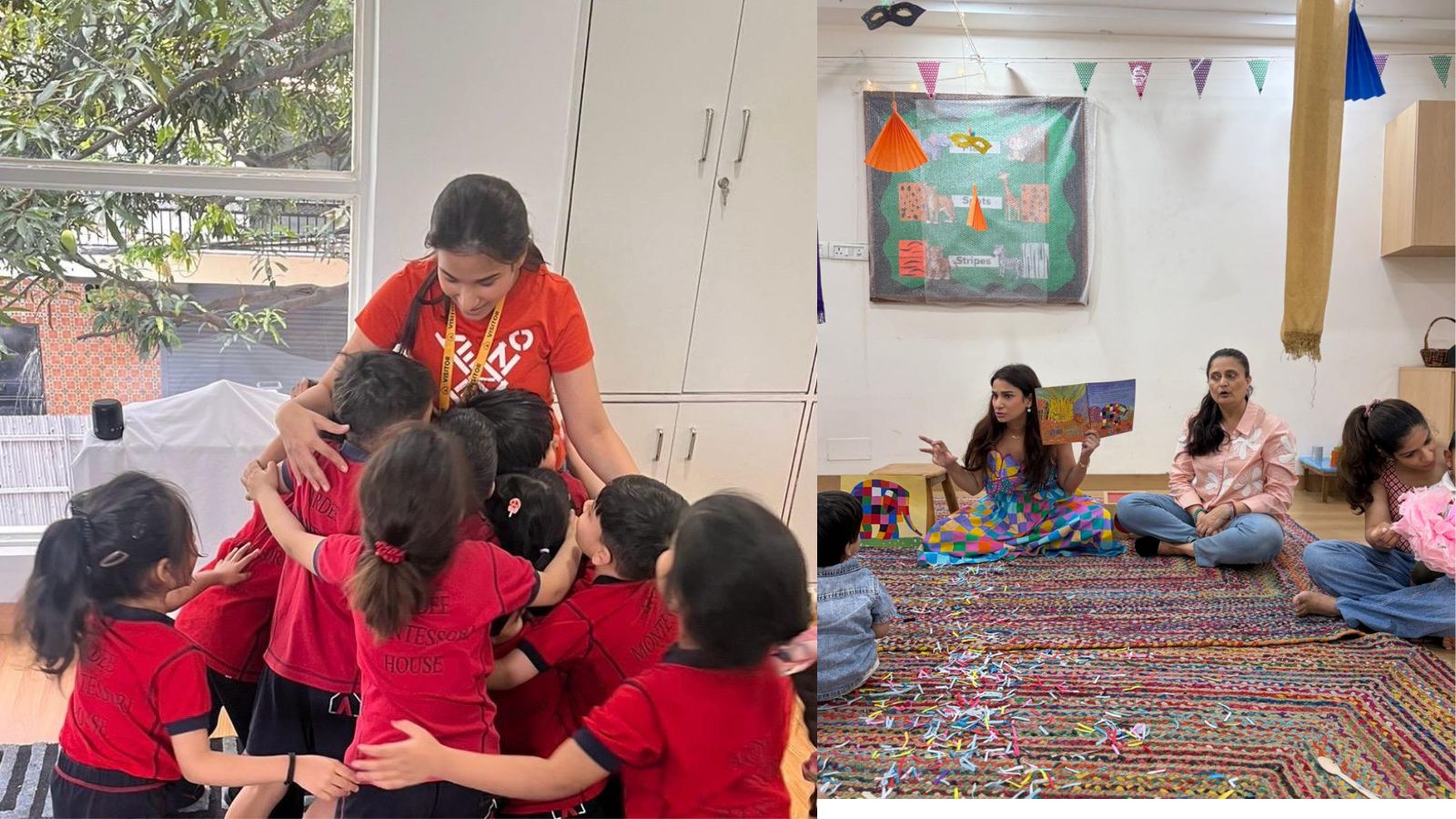
“When I met a lovely young girl with a disability during one of my books reading sessions, that belief began to take hold. Something in me changed when I saw her in that room. As a mother of a two-year-old boy, I have personally realized how important it is that we make space for everyone—not as an exception, but as the norm,” she says.
Also Read: Genital Stimming in Autism: Dr. R. S. Bagga Explains the Behaviour
It is the theme that permeates all of her writing. Two of her three children’s books are currently available on Amazon. Beyond the pages, though, her main objective is to assist educators in learning the fundamentals of sign language so that all students are treated equally in the classroom regardless of how they communicate.
In conversation with Spardha on why sign language matters for everyone — regardless of disability — and what it truly takes to build an inclusive society.
Question) What are we getting wrong about childhood today?
Answer: I think we’ve become so busy preparing children for life that we’ve forgotten to let them actually live it. We measure milestones, behaviour, intelligence, everything.
Everything I do, whether it’s storytelling, writing books, working with parents or my teacher well being sessions, comes from the same place: bringing back the joy into childhood. Maybe we just need to put ourselves in our children’s shoes a little more.
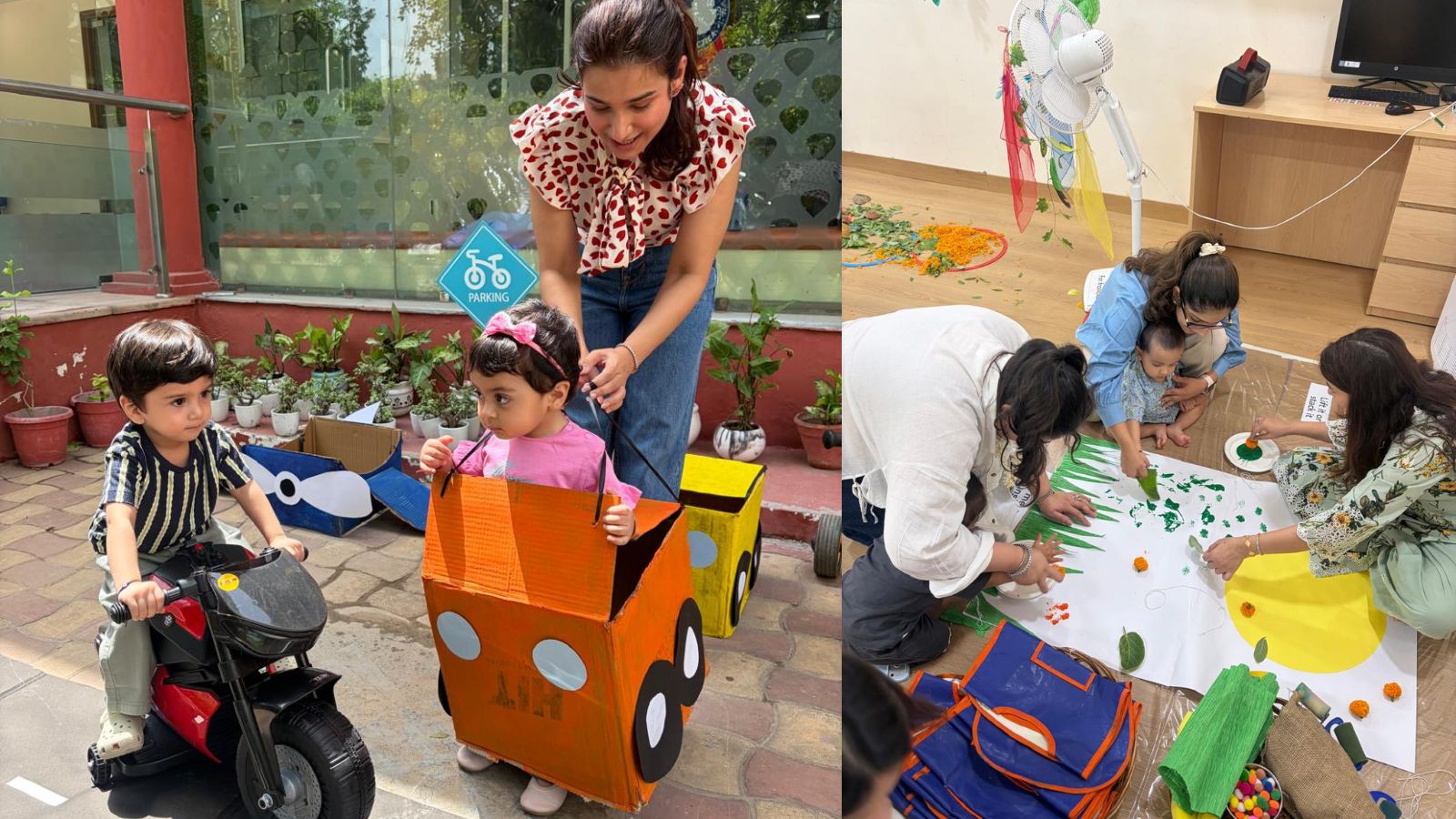
Question) What stayed with you about meeting the little girl during your book reading session?
Answer) That moment made inclusion very personal for me. It made me realise that a child can be sitting right there with everyone else and still not truly feel included.I didn’t just want to talk about making space for every child. I wanted to create that space.
Also Read:Can Nature Be a ‘Therapy’ for Autism, ADHD? What New Research Says
Question) How has motherhood changed the way you think about inclusion?
Answer) Motherhood made inclusion less of an idea and more of a feeling. You realise how deeply you want the world to understand your child rather than change your child. It made me ask myself much more often, “What does this world look like from my child’s side?”
Question) Why should basic sign language be introduced in mainstream classrooms?
Answer) Because inclusion shouldn’t begin when a child who communicates differently enters the room. My son knows basic sign language, and there’s a little girl in one of his classes who communicates through sign. For him, she isn’t different. She’s just his friend who communicates differently. Some people speak Hindi. Some speak English. Some speak French. She speaks through signs.
And to him, that’s all it is. I think that’s the kind of inclusion we should be building, where difference is simply another way of being.
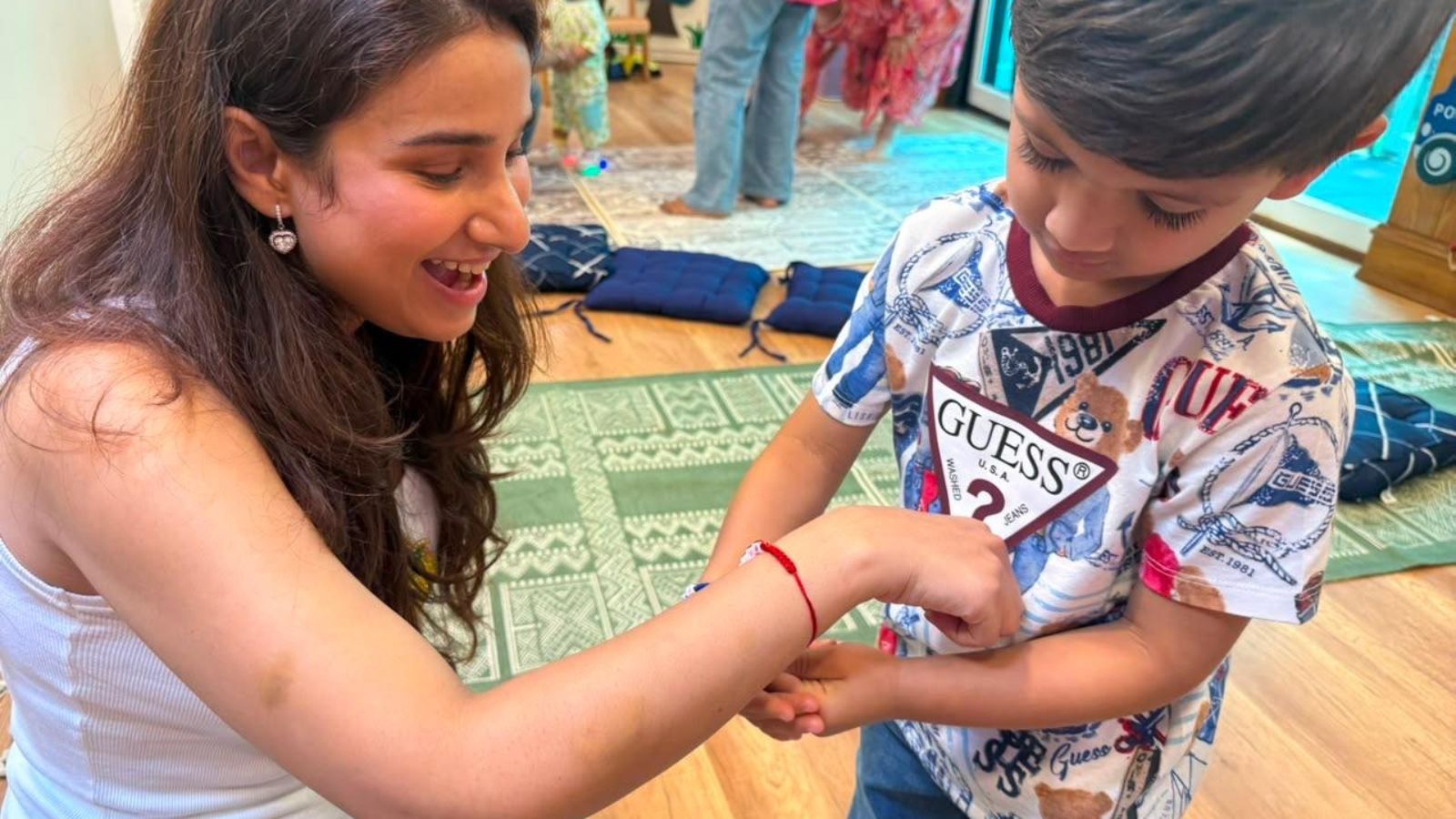
Question) What does genuine inclusion look like?
Answer) Inclusion isn’t just allowing a child into the classroom. It’s whether they feel like they belong there. Can they participate? Can they communicate? Can they make friends, be silly and make mistakes? Every child may need something different, but every child deserves the same sense of belonging.
Question) What are some of the biggest pressures adults unknowingly put on children?
Answer) The pressure to become something before they’ve had the chance to simply be. Be smart. Be confident. Be independent. Be good. Sometimes, without meaning to, we take the joy out of childhood while trying to give children the “best” childhood.
That’s really what sits at the heart of my work. Bringing back the joy into childhood.
Also Read: Diagnosed With Autism at 2.5, Thriving at 22: Milan Singh Shares Son Samar’s Journey
Question) If you could change one thing about how we approach children with disabilities or different ways of communicating?
Answer) I’d change our instinct to fix before we understand. Before asking, “How do we change this child?” Maybe ask, “What is this child trying to tell us?” Different doesn’t mean less.
Question) Tell us about your background, family and age.
Answer) I’m a storyteller and children’s author. I studied Childhood Development through HarvardX, and I’m also trained in Basic Indian Sign Language. I explore children through stories and help them explore the world through stories. I work with children, parents and teachers through storytelling, books, parent question led conversations and teacher well being sessions.
Also Read: How Home-Based Autism Therapy Helped Little Guru Thrive Against the Odds
These may look like different things, but for me they all come back to one thing: bringing back the joy into childhood. And personally, I’m just a mother trying to remind myself every day to step into my child’s shoes and see the world from where he stands, rather than always expecting him to see it from mine.