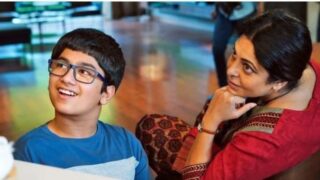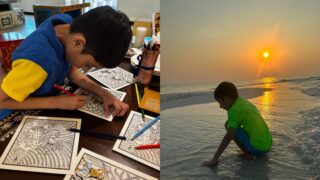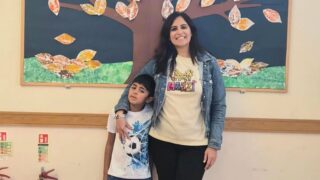
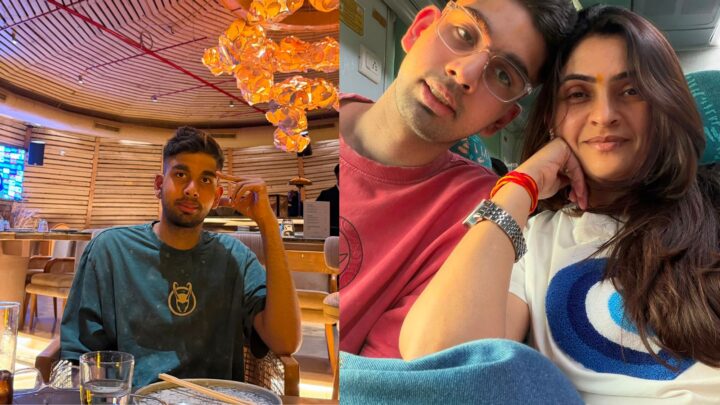
If you are part of the autism community, it’s likely you’ve seen Samar and his uplifting story traced by Mother Milan Singh on Instagram. She embodies strength, optimism, and relentless advocacy. At the age of only 2.5, Samar was diagnosed with autism but now at 22 he’s defying the stereotypes every day. A boy who loves to bake, cook and swim along with playing basketball and a fitness freak, is now learning to drive along with his wonderful hold on Canva and coding. Also, what started with a small home bakery by Samar at the age of 17 has now transformed into an enabling force for thousands of autism families across India.
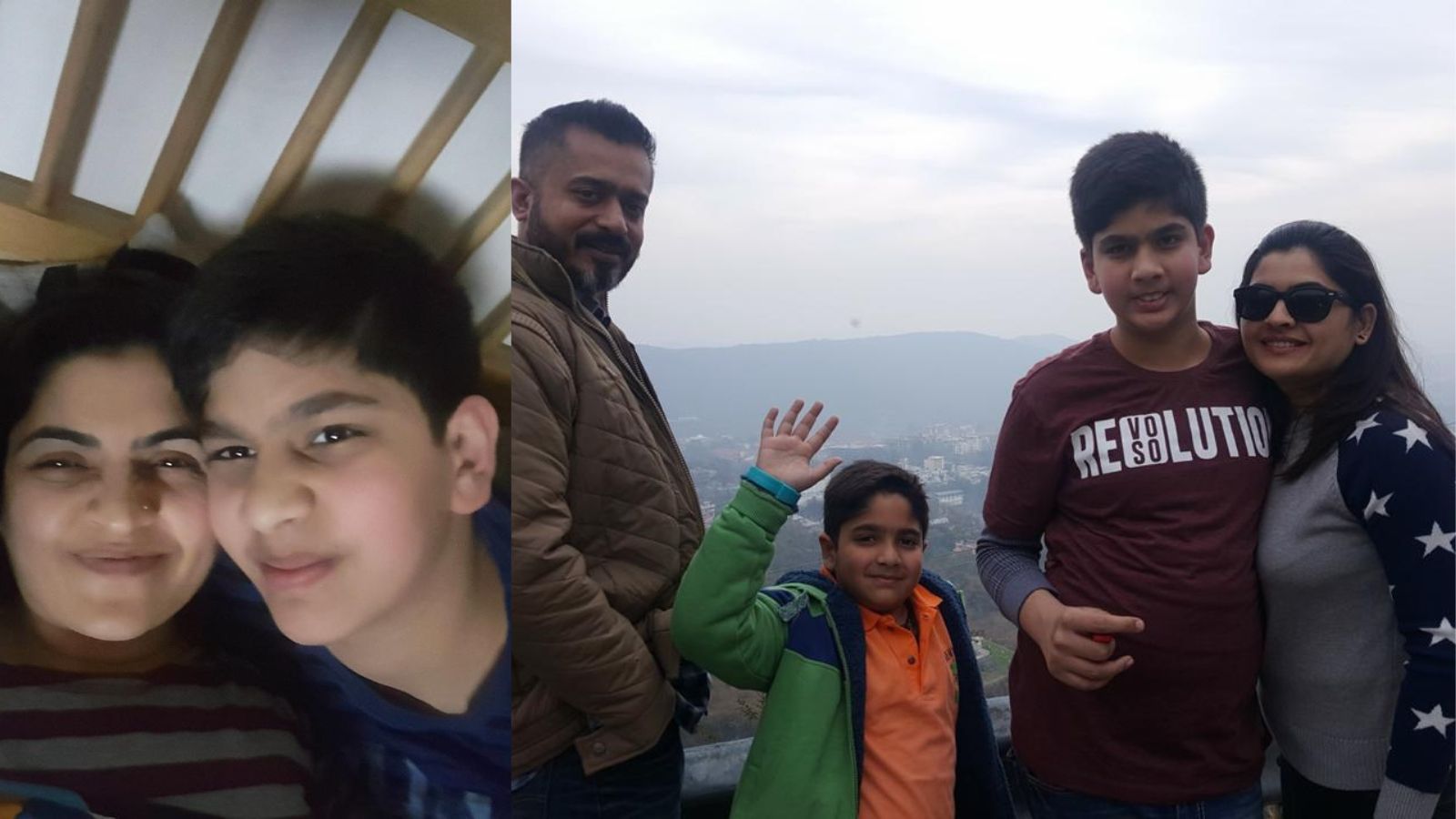
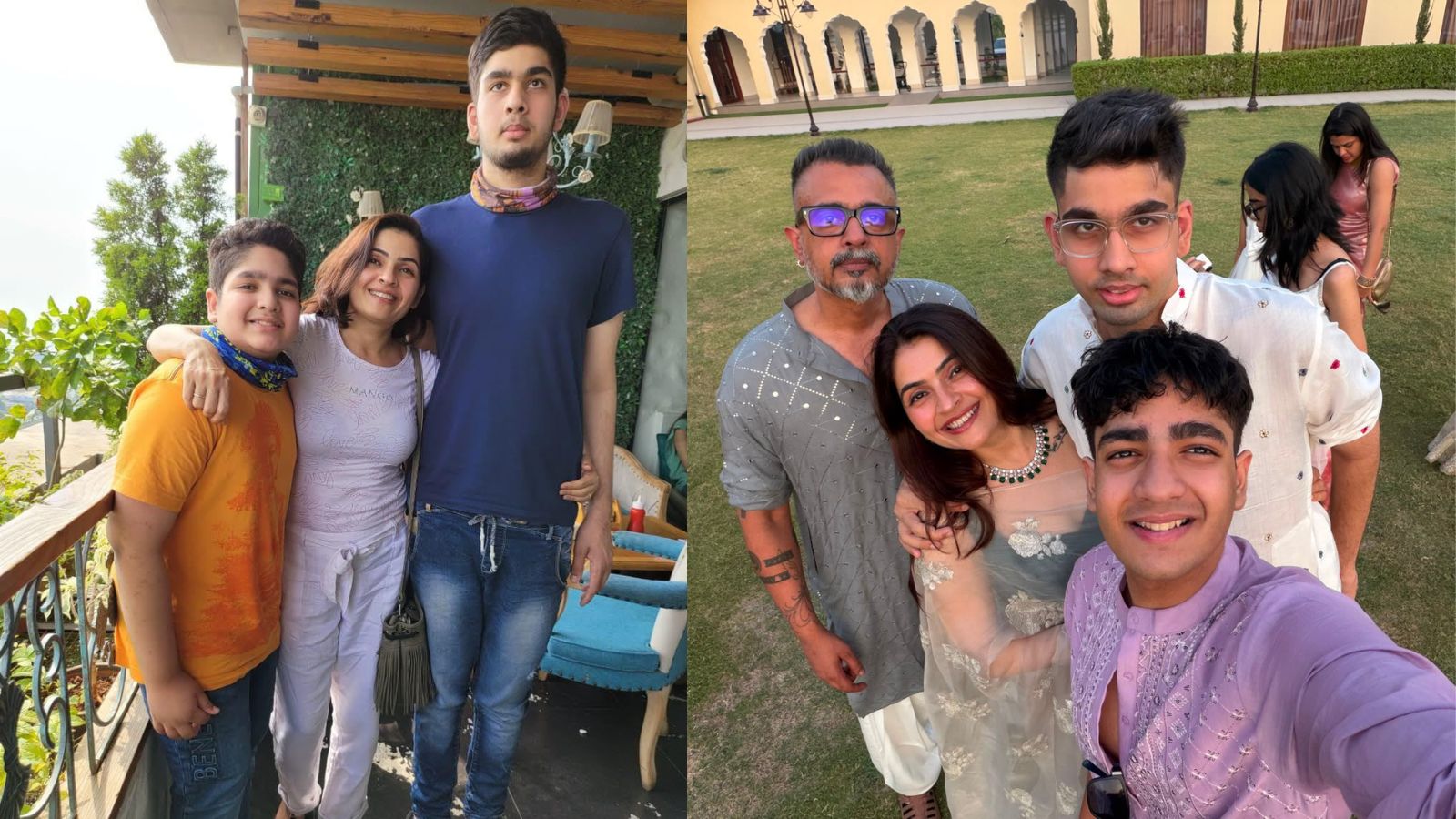
Milan, along with husband Arunendra Jeet Singh and younger son Adamya Jeet Singh have established a family based on acceptance, inclusion and unconditional love. In this unfiltered discussion with All About Inclusive, Milan shares the learnings that turned her family’s journey into inspiration for parents of neurodivergent children worldwide.
Also Read: How Home-Based Autism Therapy Helped Little Guru Thrive Against the Odds
Q) What inspired you to become an autism and invisible disability advocate?
Answer) At the age of 17 we started home bakery for Samar from which lot of mothers messages and called me telling that because of Samar they are feeling lot hopeful for their kid. That was time I felt need to start a page to showcase Samar’s achievements, and people loved it. For 3 years I kept helping and giving education to parents through The Biggish Boy’s profile but then I realised that there is so much problem in parenting so I started redefining my page “Milanmishrasingh” where I started helping parents learn about autism, how to deal with it and also uplifiting parents moral to live happy life with the conditions given to them.
Q) What were the biggest milestones in Samar’s life that showed you he could achieve more than society expected?
Answer) There were no such milestones proving he is better then what people think about him. I always believed in him, and I didn’t treat him any different and kept teaching him life skills as well as sports. It took time for him to learn but he did learn everything beautifully and today he is the best version of himself but still achieving new milestones with age.
Q) How did you balance the needs of your neurodivergent and neurotypical children? There are parents who feel that if one child is autistic, the other could also be one that’s why they never plan a second child. What do you have to say to those parents ?
Answer) Every child whether neurotypical or neurodivergent has same needs. They need love, they want to be understood and need to feel safe in the house and parents they live with. So, I tried to make balance between them, I gave them equal importance, played with them at the same time, made them study together, took them out together etc. I also educated my younger son who is a neurotypical about Samar’s condition because of which he became biggest help and supporter for Samar. He is the biggest blessing from God I could have ever asked for.
Also Read: How This Autism Father Turned Fear into SafeScan, a QR Code for Child Safety
Answer) No one knows the cause of Autism, so this theory is also not confirmed that autism is genetic. The more case coming in picture, the more people have started speculations about it. some says it is because of more screen time, same says it genetic, some say it result of bad parenting but it is just a neurological condition whose source no one knows. So, if any parent wants to go for another child but is scared can talk to their gynaecologist and get few tests done which can give them surety to 70 percent. For rest 30 percent they will have to keep their hopes high.
Q) What are the biggest mindset changes India needs to become truly inclusive?
Answer) Lots and lots of changes needs to be done.
-Instead of fixing a person we need to remove the barrier. Inclusion is about adapting environment not forcing person to adapt.
-Instead of sympathising with them, give them opportunities, equal rights and treat them with dignity.
-Now days lot of people know about Autism, ADHD etc so the next step should be accepting the different ways of learning, communicating and behaving so they do not have to hide or feel embarrassed about it.
-Instead of comparing success between 2 people, it should be measured on the basis of individual growth.
-Admitting any child with Autism in school or providing job to these people should not be considered as a favour but should be seen as creating a fair society where everyone contributes.
I can go on and on, but I guess this is enough 😊
Also Read: Can Children Outgrow ADHD or Autism?
Q) What would you say to parents who are finding it difficult to accept their child’s autism diagnosis?
Answer) It’s ok to feel overwhelmed. No one dream of their child facing such difficulties, but diagnosis doesn’t change who your child is. It just helps you understand them better.
Instead of rushing to fixing them try to shift your focus towards what makes my child feel safe, what makes them light up and gradually as you start understanding your child and his diagnosis better, you start building connection with them. Also nurturing a neurodivergent child is not easy task so my suggestion to parents is that do not forget to take help if you need it in this journey. Talk to other parents, join communities as it will help you in many ways.
Q) How has sharing your family’s journey on social media helped change people’s views on autism?
Answer) I have seen so many people came out of the shell which they have personally messaged me saying that they were not taking their kids out out of embarrassment and shame but after watching my videos they got confidence to accept and feel fine about it. Also, many autism parents also started showcasing their child’s journey on social media. This is a very big step towards advocacy when so many people will talk about it and show normalcy, inclusion has to happen.
Q) What is one thing you wish society understood about autism and invisible disabilities?
Answer) That they are also humans and equal part of society. Yes, they might not know social norms and social etiquette but why can’t we neurotypical take first step to welcome them or greet them and make them comfortable and make them part of us instead of leaving on their own and keep judging.
Also Read: How My Autistic Son Changed My Life: A Father’s Inspiring Story
Q) What changes would you like to see in India over the next 10 years for neurodivergent people?
Answer) Apart from what I have already said in the inclusion part I really wish every inclusive school would have all the provision in the school to keep special need child. They should only get affiliation if they have calming and sensory room for these kids, they should have a special educator only then they should be allowed to call them self-all-inclusive school. Secondly every village and city which is part of the country had therapy centres and special education which we are lacking as of now. Third and most important is that therapies should be included in insurance policies.