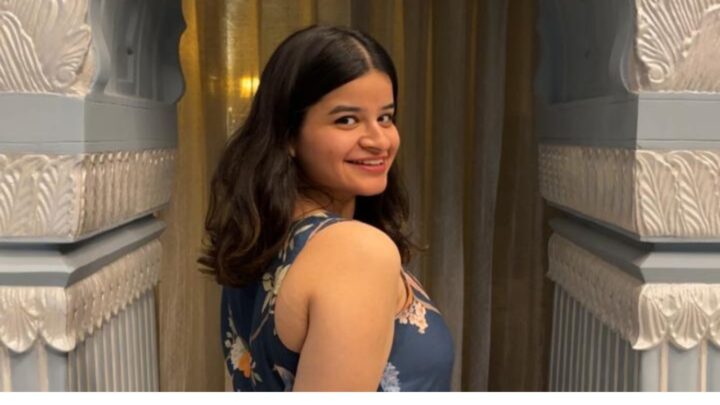
Garima Johar, 25, is the Content Lead at HT Slurrp, leading a fast-paced editorial team in one of India’s most competitive digital news landscapes. She is a successful journalist, published author and mental health advocate who has forged a style of resilience based on creativity. Yet behind the bylines and deadlines, there is a more intimate storyy.
In 2019, Garima was diagnosed with Borderline Personality Disorder (BPD) and endogenous depression and has since continued therapy and medication while trying to rebuild a life. Her husband, Yash Anand- a 26-year-old Account Manager, too lives with bipolar disorder and found an alternative mode for recovery. Altogether, their relationship is based on a radical honesty and mutual understanding, and their diagnosis does not diminish the possibility of a loving, supportive partnership.
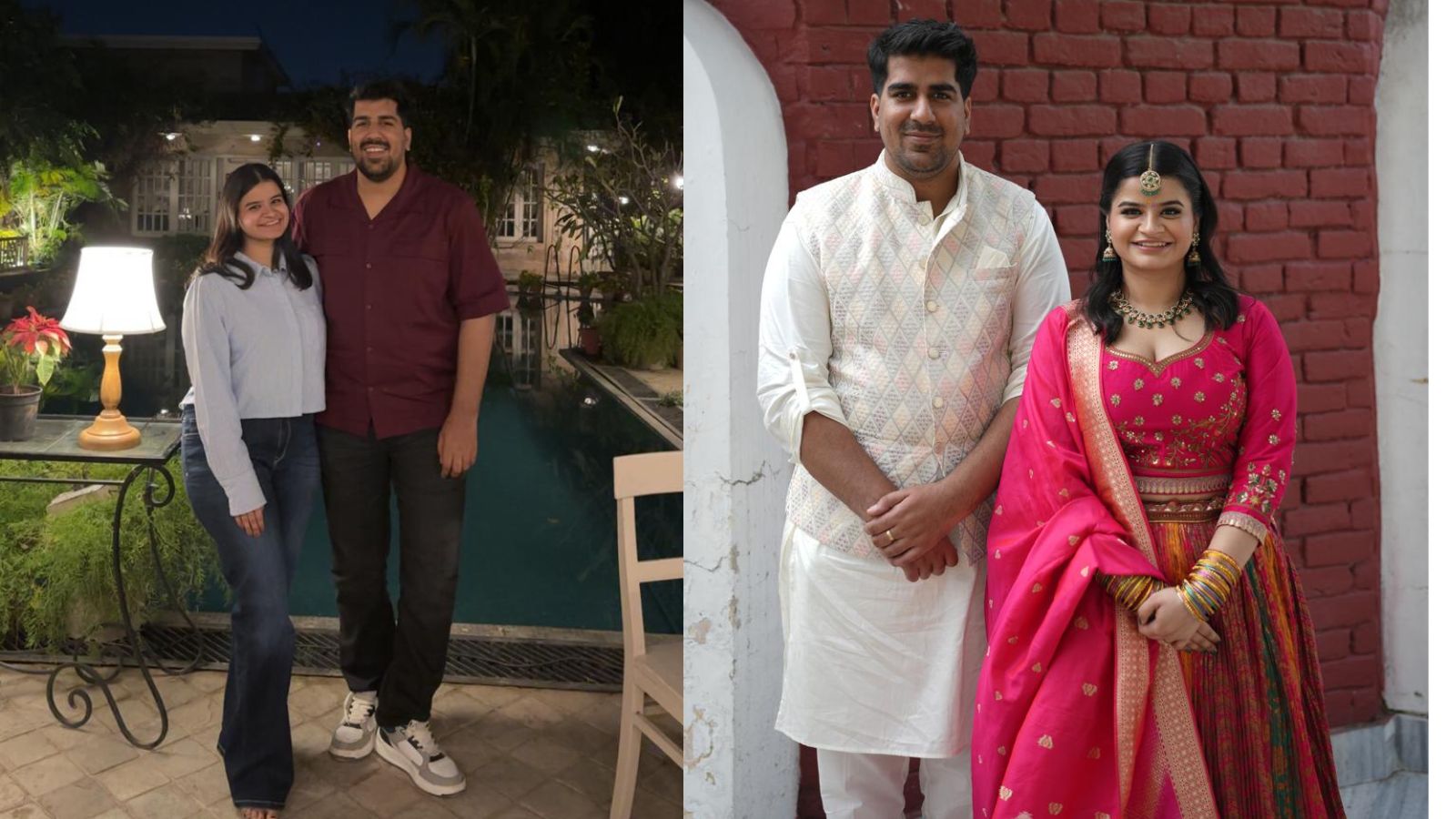
In this interview, Garima talks about overcoming challenges and the power of staying positive.
Question) You have been honest about your struggles with Borderline Personality Disorder (BPD) and Endogenous Depression, and your husband has Bipolar Disorder. What would you say the biggest challenges were during the early days of understanding these diagnoses on an individual and couples’ level?
Answer – On an individual level, it took me a couple of months to get the right diagnosis. I changed therapists and psychiatrists till I could finally “trust the process.” I was diagnosed back in 2019 and to date I seek therapy and am on medications to keep myself going. My husband too changed therapists and medications, but fortunately he’s the stronger one and no longer requires medicines. As a couple, we have been really honest about our diagnosis from the day one. And since nobody from our past really understood what our struggles were, I think we clicked instantly.
Also Read: Preparing Your Autistic Child for Board Exams? Here’s What a Senior Psychologist Suggests
Question) A lot of people will think that mental health issues cause problems in relationships. What was it like supporting one another through your healing journeys, and how did you navigate compatibility and communication, as well as conflict?
Answer – #triggerwarning, I used to harm myself in the peak episodes of depression and suicidal tendencies. When I talked about it with guys on a date, none of them stayed or understood it fully. Call it trauma bonding, or whatever, both me and my husband shared our mental issues over text before even meeting to get it out of the way. And that made me at least so comfortable to talk to him. I didn’t have to spell out a panic attack to him. It’s true it took a while for me to understand his need for space when he’s low and for him to get calm me down when my irrational brain takes the most of me, but I don’t think we could’ve been adored by anyone else nevertheless.
Also Read: As the U.S. Questions Booming Autism Therapy Costs, Should India Do the Same?
Question) Mental health is still surrounded by stigma although many are aware of it. Have you ever felt excluded as a result of your diagnosis, and what would true inclusion look like to you — in friendships, family and society?
Answer- Yes. A lot of times. I was 18 when I first went to a therapist. I wrote my first book, “Color Outside the Lines” which talks about self discovery and how I managed to make it through the other side of depression. However, I often felt excluded and abandoned, especially during my depressive episodes because I wasn’t being “as fun” as I used to be.
Also Read: Teaching Neurodivergent Girls About Periods: Senior Doctor Shares Proven Tools and Tips
Question) You are working in a high-pressure industry as a Content Lead, how has your work shaped your context around mental health? What changes to the workplace culture, policies or leadership do you think would help organisations be more supportive of employees who are living with mental health problems?
Answer- I have my hard days for sure, but writing is what gets me out of my head. If it weren’t for words that my brain cooked, I wouldn’t have been able to be a poet, a writer, or a published author. So, I’m grateful for being able to work and write everyday.
Also Read: Why The SC’s Intervention On Therapy Centres Could Be A Turning Point For Special Children
Question) Would you like to detail some of the myths you’ve heard or internalised about BPD as compared to depression and bipolar disorder that have filtered through society’s collective psyche? In what ways did these perceptions have an impact on your personal or professional life?
Answer – BPD and bipolar disorder are often misdiagnosed. Since there’s nothing like a blood test or a scan that can guarantee a mental health diagnosis, the terms are often confused and misunderstood. Given the plethora of symptoms available online, it’s easy to fall victim.
Question) At what point did you know it was going to require professional help? What would you say to those people or families who may not see the signs of needing support or people who are wary about asking for help?
Answer- I seeker help when my mental health started to come in the way of my day to day activities. I believe that’s the sign that should make everyone start taking their mental health more responsibly when the symptoms start hampering the routine.
Question) It takes courage to share something so personal in front of a group. Why did you and your husband decide to share your story with us and what is the one point you would hope readers—especially those either living with mental health conditions or loving someone who does—take away from it?
Answer – I have always been a mental health advocate. Be it through my published books, through mental health programs with hospitals like Fortis, or through Instagram, I feel that if I open up and make someone a little less stressed/anxious, my job is done. I wish nobody has to go through it all alone like I did.