India’s educational policies hail inclusive classrooms, equal opportunities and a child’s right to learn with their peers. Diversity and multi-ethnic inclusion are proudly lauded in prospectuses, websites and annual reports. However, for many families with children who have disabilities, inclusion is a promise in writing not a reality on the ground.
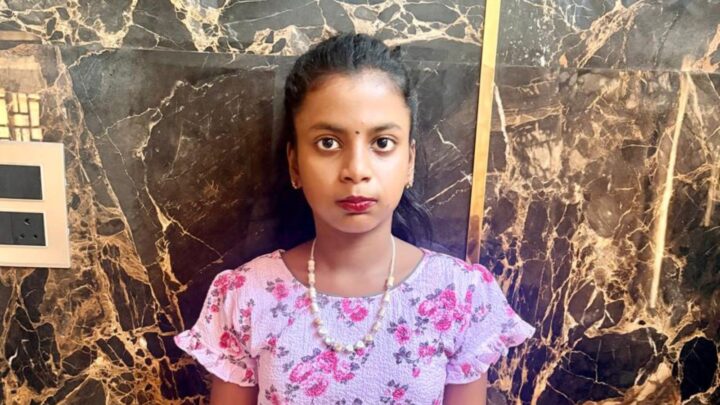
It exposes the contradiction surrounding this in the story of J. Srimithra. Repeatedly, a child who was solving higher-end maths problems, instantly calculating calendars, holding conversations on current affairs with surprising depth and even working his way through NEET, JEE and GATE-level content — was not allowed into school because she was diagnosed with Autism.

Today Srimithra continues to break every convention that has been thrust upon her. Her interaction with academic subject matter is far above her ability level, adjusted for how she learns.
Srimithra’s Exceptional Abilities
Genius of Math: Shows Genius-level math reasoning, and intuitive problem-awareness that extends across varied domains.
Calendar Calculation – Can perform in the head and immediately derive what is the day of week for any date across years.
Multilingual Transliteration: Well-versed in the act of transliterating and working with Tamil, English as well as Hindi acknowledging complex linguistics.
Current Affairs Knowledge: You learn detailed data of news in high-level conversations and demonstrate your work with great depth.
High-Achieving Academic Performance in Either a Subject-Specific or Gradual Manner: Demonstrates concepts well beyond the scope of grade-level work, engages in NEET, JEE, and GATE-level problems despite being age-appropriate.
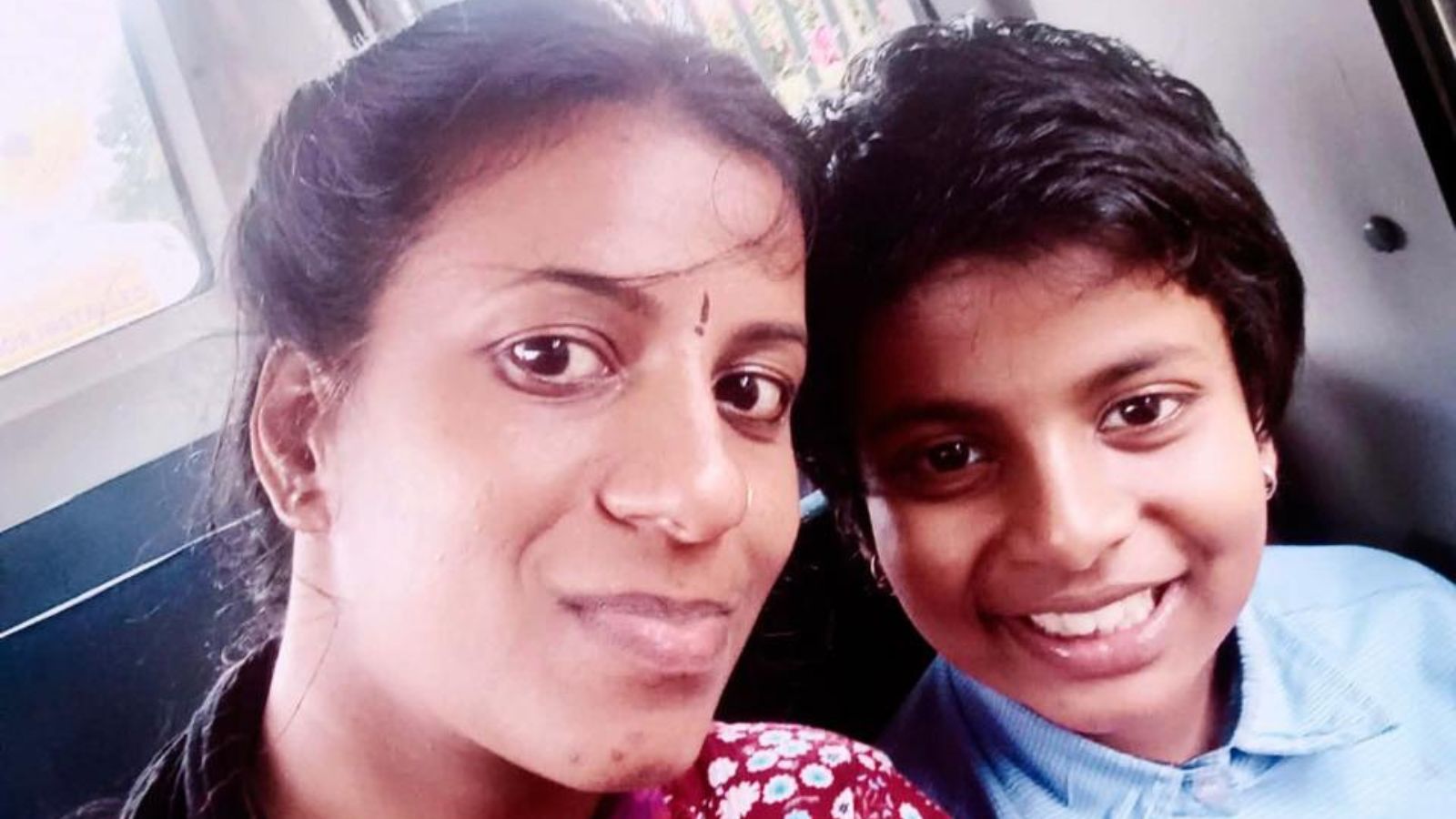
In this interview, Srimithra’s Mother Shares the Reality of Inclusive School on Ground. Now Srimithra is going to a government school along with her mother as a shadow.
Q) Can you share what your child was diagnosed with, and when? How has your journey as a parent from then to now been?
Thiripurasundari Madhiyalagan: When my daughter was four years old, she was diagnosed with Autism. We had observed a few months before her diagnosis that her development was delayed in some respects compared with other children, particularly communication and social interaction. Being diagnosed came with a complicated feeling of confusion, worry and tons of “what will happen next?” For 3 years I shadowed my daughter in her early years of school. It was her second grade that turned a needle into the haystack of these extraordinary talents.
Eventually our focus shifted from pinpointing her deficits to exploring her capabilities. We made it a point to know her strengths, fulfil her needs and cherish every little milestone as victory.
Q) Srimitra is solving complex math problems in seconds and yet was rejected by the schools. What reasons did schools provide for not admitting?
Thiripurasundari Madhiyalagan: Other schools did not doubt her intelligence. In fact, many were surprised with her academic genius when they met her. Usually, the issue was her Autism diagnosis and not so much her ability to learn.
Many schools felt they did not have the resources or support systems available to meet her needs. Some were concerned about communication, classroom participation or behavioural differences.
Disappointingly, admission decisions seemed to focus more on her diagnosis than her unique talents. So, what is inclusion??Inclusion looks at the whole child, not just a label. Every child deserves a chance to learn in a community where they feel included and inspired.
Q) A child can score high academically, solve complex problems, and outperform peers in classwork—so why do many schools still see an autism diagnosis before they see the child?
Thiripurasundari Madhiyalagan: Academic ability is just one of many dimensions to a child’s profile. It is a shame that so many schools are only now figuring out how to help neurodivergent students as best they can. Other times, a lack of awareness, training or true confidence in handling different modes of communication and learning needs presents barriers.
I think a lot of the hesitation to provide (or accept) these opportunities stems from misunderstandings about autism, rather than real limitations. Being on the spectrum, is an autism of a kind where no two kids are alike. But where schools are inclusive and emphasise strengths with the right support, autistic children flourish academically and socially. The aim is not to make all children the same, but provide opportunities for different types of learners to thrive.
Q) Policy documents call for inclusive education, but when parents are denied admission for their child again and again, is inclusion only a slogan?
Thiripurasundari Madhiyalagan: Policies are basic but it is what goes on in practice which counts toward true inclusion. Inclusion is only meaningful if children are truly included and have the space, resource and opportunity to be welcomed and learn equally. Although inclusive education policies exist, many families continue to encounter barriers. There has been some progress, but there is still a disconnect between policy and practice. Closing that gap takes commitment, work, and an openness to diversity.
Q) What message does a school send when it rejects a bright autistic child—not just to that child, but to every student learning what acceptance and diversity mean?
Thiripurasundari Madhiyalagan: It can even inadvertently communicate that differences should be avoided instead of embraced. Schools have the power to change perspectives when it comes to diversity. Schools can show all students important lessons by accepting children with varying levels of ability and background, lessons in empathy, respect, and inclusion. Lessons that extend well beyond school.
Q) For families, what is more exhausting: supporting the child’s actual needs or constantly fighting systems that are supposed to support them?
Thiripurasundari Madhiyalagan: Supporting your own child is not an obligation of parents but a privilege because it comes from love. The tiring part is having to keep fighting for opportunities that ought to be readily available. Tons of parents invest endless time explaining, educating and advocating to just get the services their children rightly need. With more inclusive systems, families can lose the need to be good enough and focus instead on helping their child thrive.
Q) What are the areas that remain most troubling despite academic success—social acceptance, communication differences, sensory challenges, anxiety, or the fear of being misunderstood?
Thiripurasundari Madhiyalagan: Despite my daughter’s academic success, the most challenging areas continue to be social acceptance and the fear of being misunderstood. People are often impressed by her abilities in mathematics and learning, but they may not always understand the communication differences and sensory sensitivities that come with autism. What concerns me most is not whether she can solve complex problems, but whether she will be accepted, included, and valued for who she is. Many autistic children spend a great deal of energy adapting to a world that doesn’t always understand them.
As a parent, I worry less about her academic future and more about whether society will give her the same opportunities, friendships, and sense of belonging that every child deserves. Academic success can open doors, but acceptance and understanding are what truly help a child thrive.
Q) When you look beyond the diagnosis, what is the most beautiful thing about this child—the quality that teachers, classmates, and society miss when they focus only on the label of autism?
Thiripurasundari Madhiyalagan: The most beautiful thing about my daughter is her unique way of thinking. She sees the world differently, asks questions others may never think of, and approaches everything with curiosity and determination. I wish teachers, classmates, and society would see her for who she truly is, rather than focusing only on the label of autism. Behind that label is a child who loves to learn, has incredible talents, and brings a special perspective to the world.
Sometimes people focus on her differences and miss her strengths. But when you take the time to know her, you see a bright, loving, and capable child with so much potential. Autism is a part of her, but it does not define her. What defines her is her character, her abilities, and the wonderful person she is becoming.
Q) Thank you for this opportunity; Tell us a little about your family, who else and what do they do?
Thiripurasundari Madhiyalagan: We are a family of four — we live as a nuclear family. Our family is me, my husband, our older daughter and younger son. My younger son studies in a CBSE private school. My husband is a Delivery Manager in the private company. As for my daughter, she currently attends a government school and I also homeschool her in order to address her needs and allow her to explore her interests and strengths.
Beyond Labels
Now, Srimithra’s case raises an issue that every school and policymaker — everyone in society, really — needs to grapple with: If a bright child gets no opportunities because she has been diagnosed with something, how inclusive are those institutions. Some policies framed on walls dont signify inclusion; the children who pass through school gates and are embraced for who they are— that is simple, real inclusion.