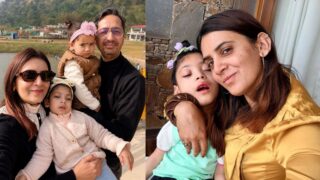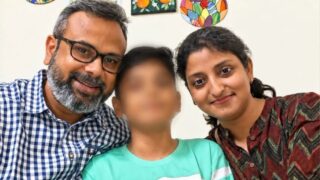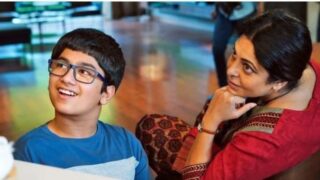
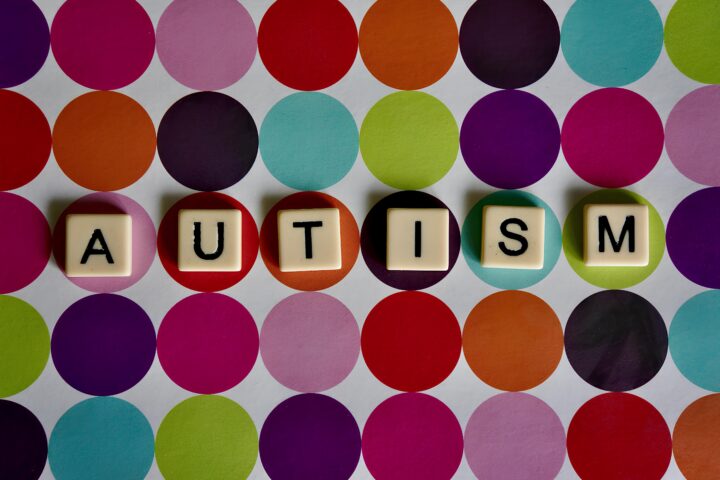
In the year 2021, I was introduced to the word Autism — a six-letter word that changed the way I see life. In that moment, everything changed: my perspective, my planning, my predictions, and my purpose. But that word also gave me something I never thought I had within me — power. The power to make things right, the power to control situations, the power to react in a more focused way, and the power to bring life closer to what we once expected it to be.
At first, autism felt like an unfamiliar road with no directions. Every parent I met carried the same silent questions in their eyes: Will my child be accepted? Will the world ever understand them? Behind every therapy session, every school interview, and every social gathering was a constant fight to make space for children who experienced the world differently.
That is when I met people like Meera.
Meera was the mother of eight-year-old Aarav, a little boy who rarely spoke but could spend hours creating magical worlds with building blocks. Teachers labeled him “difficult”, relatives called him “different” — but Meera could see that in his mind, there was brilliance. Then one evening, at a small gathering in their local community center, Aarav walked onto the stage and arranged colourful paper stars together into an actual galaxy! There was a silence in the room that broke into applause. Meera was there in tears, and not because her son did something that could at least be considered semi-normal, but because the world finally stopped long enough to notice him for exactly who he is.
Next came Kabir, the teenage boy who never made eye contact or had a conversation with anyone, but was gifted with music. Where many saw limits, his father saw rhythm. He purchased a used keyboard for Kabir and urged him to play each evening. A few months later, in front of a crowd for the first time ever at an inclusive talent showcase, Kabir performed. His fingers shook at first, but as the music flooded the hall, people forgot labels. Talent, confidence, and joy were all they could see.
These were not stories of autism “overcoming.” There were stories of families beating the rest of society at getting it.
I met tired parents explaining their kids to the world. Mothers waiting outside of therapy rooms, praying for small victories. Dads working extra just to pay for support. Families who toasted milestones that others might never even recognize — one word spoken, a stammer adjusted, eye contact made for five seconds before the kid looks away again; the classroom day ended without tears.
And yet, despite the struggles, there was always hope.
Hope looked like Riya, a young girl who covered her ears during loud celebrations but smiled brightly when handed paintbrushes. At a community art event, her artwork — filled with bold colors and fearless strokes — was displayed alongside every other child’s painting. Her mother whispered, “This is the first time she has not been separated.” That single moment carried more meaning than any trophy ever could.
Through this journey, I realized autism is not a flaw waiting to be fixed. This is a new way of being — feeling, authentic, and brave. Actually, the real change occurs when society begins to learn from these children instead of trying to change them.
When I read today that parents are celebrating their children’s every small achievement in life with the enthusiasm of winning a championship, it gives me hope. All are a glimpse of the strength that comes from every caregiver who refuses to let go. I see courage in every kid who continues to stand tall in a society that is not so welcoming.
And that is All About Inclusive to me — a platform not built on business but community. A realm of revelry for the tales that bind us, a refuge for every voice to be heard, a home where differences are a reason to celebrate, and everyone is reminded that they merit not only acceptance but applause.