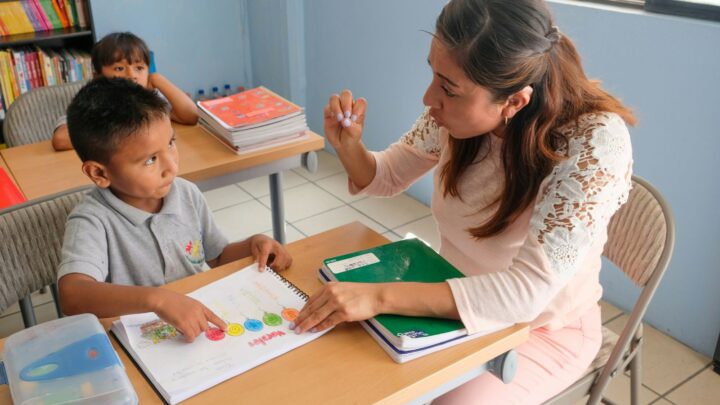
Does your child with autism or another disability learn better in a mainstream classroom, or is a special school better? As a parent, you’re always trying to figure out what environment will allow your child to learn and grow the best. Some children may thrive in a classroom with neurotypical students, while others will do better in the more individualised learning and structure of a special school.
Also Read: Open Letter to Therapy Centre Owners of India
So, is there only one “right” answer? In fact, each child is different, and the optimal choice hinges upon his or her strengths, learning style, and aspirations. To provide parents with a clear roadmap, we spoke to Dr Jitender Aggarwal, Founder and CEO Sarthak Educational Trust.
Empowering over 1.25 lakh Persons with Disabilities (PwDs) through skill development, employment, rehabilitation, and early intervention services, Sarthak Educational Trust’ defining milestones includes leading India’s participation in the International Abilympics through the National Abilympic Association of India.
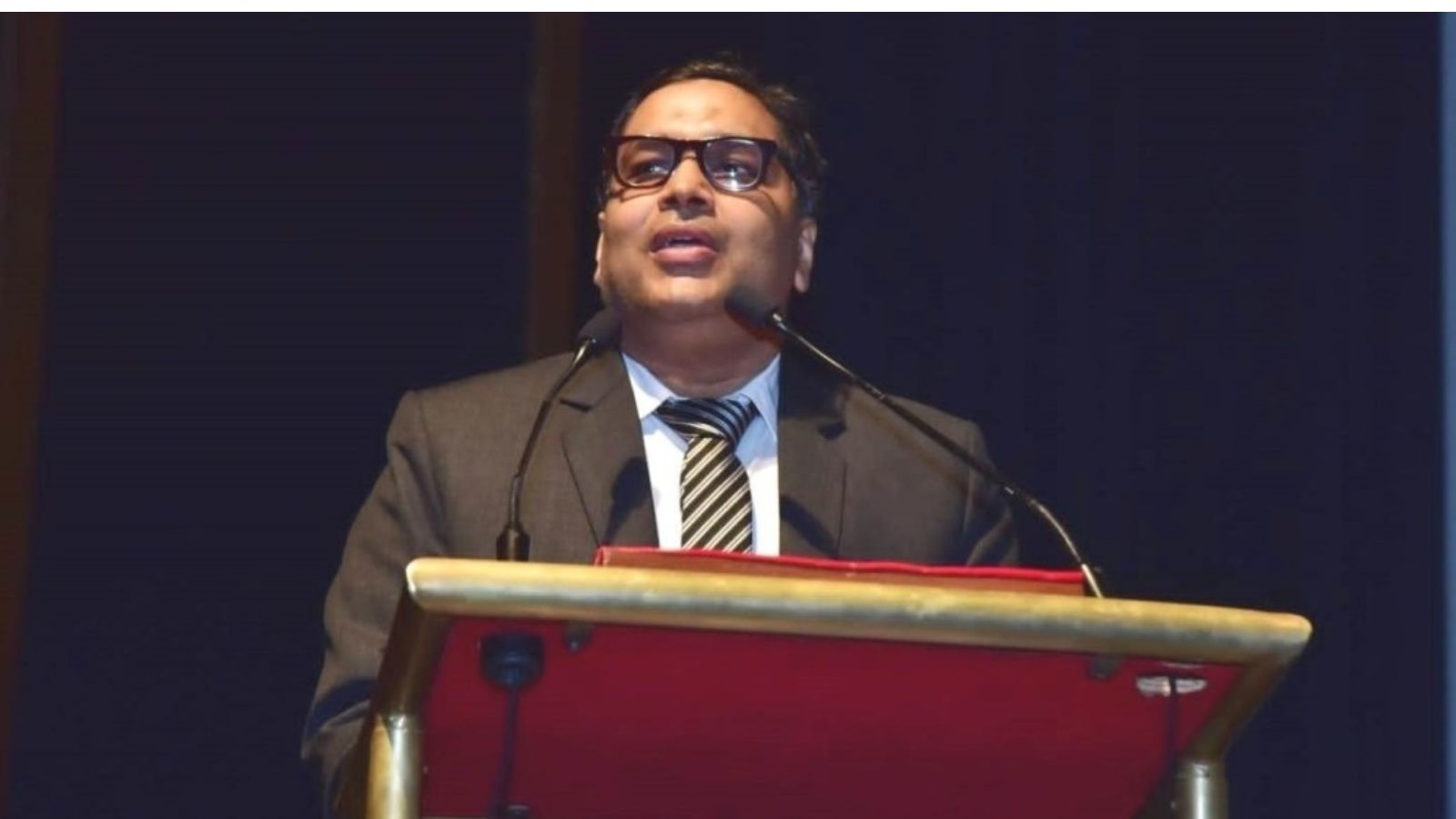
Here he shares some pragmatic insights on how to help kids with disabilities and neurodiverse learners make an informed choice when it comes to choosing the right school.
Also Read: Can Children Outgrow ADHD or Autism?
Q) How does one select the right special school for their child?
Identifying a suitable special school starts with understanding the child’s individual need, requirements and approach of learning. Parents need to critically analyze whether the school has expertise in that specific disability; skilled teachers and therapists are on hand; if therapy services and Individualized Education Plans (IEPs) are available. While data is crucial for a school, visiting the actual imparting of knowledge along with checking parent involvement should also be held at a par. A quality special school promotes independence, self-confidence and life skills which lead to real inclusion in wider society.
Q) Before enrolling their child, what questions should parents ask and which factors need to be checked?
The question for parents would be: Does the school have previous experience dealing with children who have that disability? Have they worked with therapists in this field? Does the school have experienced special educators, therapist and skill-based teachers? What about the ratio of teacher- student? Also, they must ensure that accessible transport facilities is provided with focus on safety measures.
Also Read: Why The SC’s Intervention On Therapy Centres Could Be A Turning Point For Special Children
Do they focus on assistive technology and more practises when it comes to sports, life skills and vocational training? Do they keep parents in loop on the progress of the ward? Do they follow clear communicates with families and helps students prepare for future education or employment?
Q ) Is an inclusion school or a special school better for neuro-diverse children, and why?
The correct answer is not one-size-fits-all, because the decision depends heavily on their skills and support needs of the child as well as their learning goals. With the right supports in place, inclusive schools encourage friendships, confidence and general sense of belonging. But children with severe need may be better suited to a place in a special school, where they are given targeted teaching and treatment, along with a structured environment that allows for the acquisition of academic, behavioural and life skills at an appropriate pace.
Q) What is the first mindset shift that India needs on disability.
India needs to grow from sympathy to opportunity and empathy. We should begin to see Persons with Disability professionals, innovators and as contributors to the economy. The majority of barriers come from physical inaccessibility and low expectations but are not inherent to the disability itself. This is not just a social imperative but a key to embracing openings for the economic growth and development of India.
Also Read: Preparing Your Autistic Child for Board Exams? Here’s What a Senior Psychologist Suggests
Q) What do we mean by meaningful inclusion?
Accessible education, transport, technology and workplaces is the beginning of meaningful inclusion — not just legal compliance. Accessibility, by nature, affords people with the ability to learn, engage and participate autonomously. India is making strides through reforms, but their implementation leaves much to be desired. All institutions, infrastructure and digital platforms should make accessibility a core design principle rather than an afterthought.
Not every disability can be easily accommodated in the workplace, but there are many reasons why attitudes and culture must change.
The skills-employment gap and employer perceptions are the two biggest barriers. This requires investment from the government, educational institutions and businesses when it comes to domain-relevant skilling, internships, assistive technology and inclusive hiring. Longer-term For Disability Inclusion, build a Longterm Talent strategy to ensure Persons with Disabilities would be ready to integrate themselves in the new-age skillets where eventually they will have large scale contributions to make for future of India.
Q) How significant is collaboration to drive inclusion?
Disability inclusion requires collective action. Sarthak has collaborated with the Government, Corporate sectors, NGOs, Educational institutions & worked closely with India Disability Empowerment Alliance (IDEA) to enhance the employment and skills ecosystem. The change has to be sustainable and for that policymakers, industry & civil society and Families from the community have to contribute together for an inclusive ecosystem of Persons with Disabilities.
Also Read: Teaching Neurodivergent Girls About Periods: Senior Doctor Shares Proven Tools and Tips
Q) In what way those Abilympics empower Persons with Disabilities?
The International Abilympics highlighted the abilities of Persons with Disabilities globally. There are Regional and National rounds of Abilympics; those who win at these go on to represent India globally. More than competition, the platform instills confidence, boosts employability, inspires entrepreneurship and breaks stereotypes that equal opportunity can showcase great talent.
Also Read: School Denied Admission to Your Neurodivergent Child? Delhi High Court Lawyer Explains Your Rights
Q) What does a more inclusive India look like for you?
Our message is simple — label people based on their abilities, not disabilities. Inclusion equal access to education, job, and opportunities. We imagine an India where every school is inclusive, every workplace accessible and every Person with a Disability lives in dignity independence & equality of opportunity, powered by collaboration across the nation.