
A mother to another in a therapy center: “My son started speaking within weeks after getting gluten out of his diet.” And the mother—whose own child is also autistic — immediately cuts gluten and dairy out of her own kid’s diet altogether, without considering whether the child has any food allergy, sensitivity or real reason to cut (or add) those foods.
This situation became increasingly frequent during social medial era. Parents instinctively want to do whatever they can for their children, yet many are chasing a viral diet trend or anecdotal success story without realizing every child is different. What helped—or seemed to help—one child might not be so helpful for a second.

The main source of worry is that rigid diets are mostly done without medical attention. A child who doesn’t suffer from gluten sensitivity or lactose intolerance may lose out on nutrients critical for growth and brain development.
In some circumstances, badly organized exclusion diets can lead to reduced immunity and increased danger of dietary deficiencies or poor growth and can even predispose children to recurrent illness because of inadequate nutritional intake.
For example:
-Vitamin D or calcium deficiency can lead to poor bone growth and strength, and if you ditch dairy for non-dairy alternatives without proper guidance, you’re at risk!
-A diet eliminating gluten without replacing it with foods that contain comparable amounts of fibre may result into low fibre intake, constipation and/or deficiencies of iron, folate and B vitamins.
-Elimination diets can increase the risk of low protein intake, poor weight gain, less muscle growth and increased fatigue.
-Underfeeding in vulnerable eaters may also lead to failure to thrive if nutrients cannot be replicated.
Finally, perhaps most importantly, parents need to keep in mind that autism is a neurodevelopmental disorder — it isn’t an illness produced by foods and therefore cannot be cured by removing particular foods.
Before any major adjustments are made to the family diet, a paediatrician and a paediatric dietitian should always be consulted about whether or not there is actually an indication of true food allergies, immunologic or metabolic intolerances, or nutritional deficiencies in that particular child.
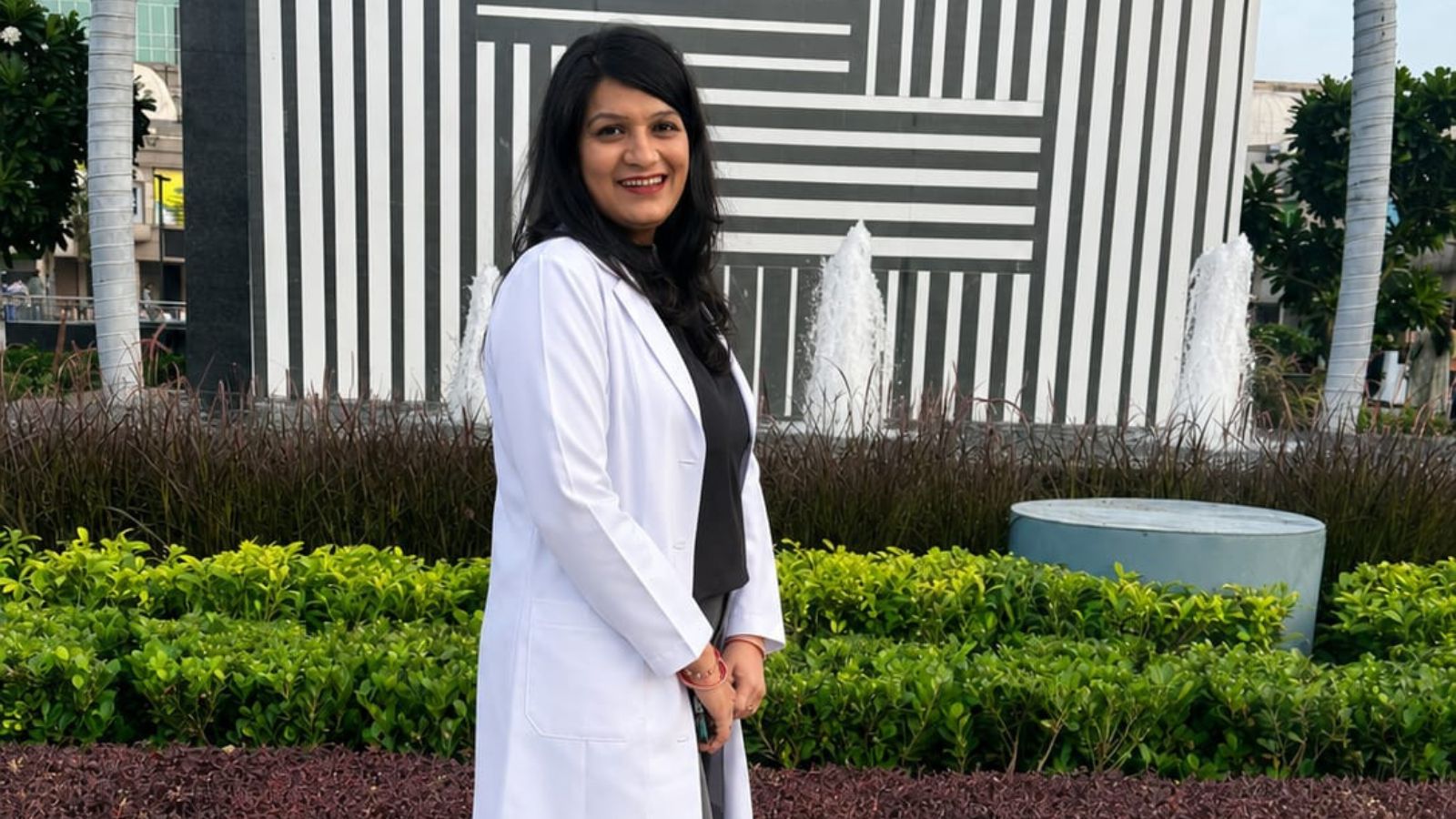
Dr. Samiksha Kalra, Dietitian and Lactation Consultant, Madhukar Rainbow Children’s Hospital breaks some food-related myths about Autism.
Can Food Cure Autism or ADHD?
Parents always want to do the right thing for their children, so when social media tells you that a sugar-free, gluten-free, dairy-free or “brain detox” diet can cure your child’s autism or ADHD, it’s only natural that families are going to follow with hope. That said, hope should always be based on science — not lies.
The biggest myth being that food can cure neurodivergent characteristics. Autism and ADHD are neurodevelopmental disorders, not diseases of bad diets. Nutrition is important to overall health in children, but science does not support any one food, supplement or elimination diet as a cure for these conditions.
Does Sugar Really Cause Hyperactivity?
Sugar has long been lumped in with hyperactivity and ADHD, but there is no conclusive science proving that sugar causes such behaviour. While children get noticeably more active in celebrations with sweetened foods, it is not the sugar responsible but rather the surroundings that make these active.
Do All Children with Autism Need to Be Gluten- or Dairy-Free?
A lot of online influencers promote gluten/dairy/casein elimination. These eliminations only help if the child has a clinically diagnosed allergy, intolerance or condition ( for example -celiac disease).
Yes, kids with ADHD or autism may have others condition such as undiagnosed food allergies or gastrointestinal problems but withdrawing the food with professional guidance can help in restoring their gut integrity and gaining a better quality of life.
However, unnecessary dietary restrictions risk:
-Calcium deficiency
-Vitamin D deficiency
-Iron deficiency anaemia
-Vitamin B12 and folate deficiency
-Low fibre intake causing constipation
-Delayed growth and weight gain problems
-Protein-energy malnutrition
-Reduced bone mineralisation
The Truth About ‘Brain Detox’ Diets
Detox diets and cleanses are more frequently promoted in relation to claims they’ll “heal the brain” or alleviate autism symptoms.
Actually, the human body already has very well-developed detoxifying system — liver and kidneys. The scientific community is not currently aware of how detoxifying anyone alters autism or ADHD symptoms. On the other hand, extreme detox plans might deny young kids calories, proteins, vitamins and minerals that they want for wholesome growth.
What About Omega-3 Supplements?
Omega-3 fatty acids contribute to the health of the brain and have mild advantages in some children. But they should never substitute for evidence-based treatments, including medical care (with phytonutrients), behavioral therapy, occupational and speech therapy, or individual education with expanded option selection.
What Really Works? Personalized Nutrition
Instead of chasing viral food trends, experts suggest “one size does not fit all” when it comes to nutrition. Every kid is different and has their own nutritional needs. Some may experience:
-Selective eating
-Sensory food aversions
-Constipation
-Feeding difficulties
-Delayed growth
-Nutrient deficiencies
-Others can eat the food they want with no dietary restrictions.
A child-specific nutrition plan created by your paediatric dietitian, in conjunction with the child’s doctor, can improve nutritional intake and help build a better mealtime environment to reduce feeding challenges.
Doctor’s Advice to Parents
Care needed when considering online ‘miracle cures’ Most of the time the quick fix is not supported by science and probably does more harm than good so the best is to follow:
-A balanced and varied diet
-Regular physical activity
-Good sleep hygiene
-Behavioural and developmental therapies
-Timely medical care
-Nutrition counselling when needed
Nutrition cannot reverse a child’s neurodivergence-but it can support brain growth, nurture the body, and help every child reach their fullest potential. You are not broken, we are not here to fix you or your child – we are here to help you both heal and become more healthy on every level so we practice an evidence-based approach with food as medicine- one forkful at a time.