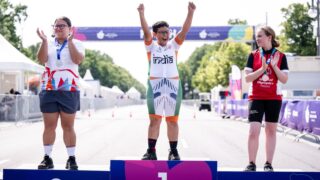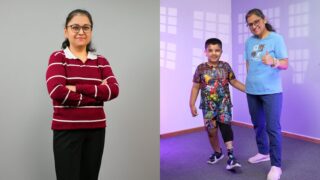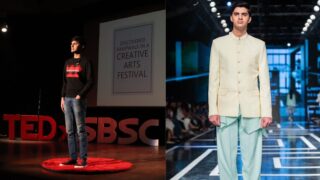
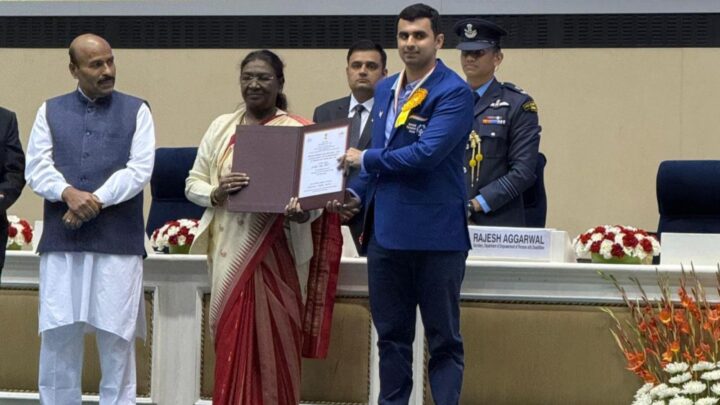
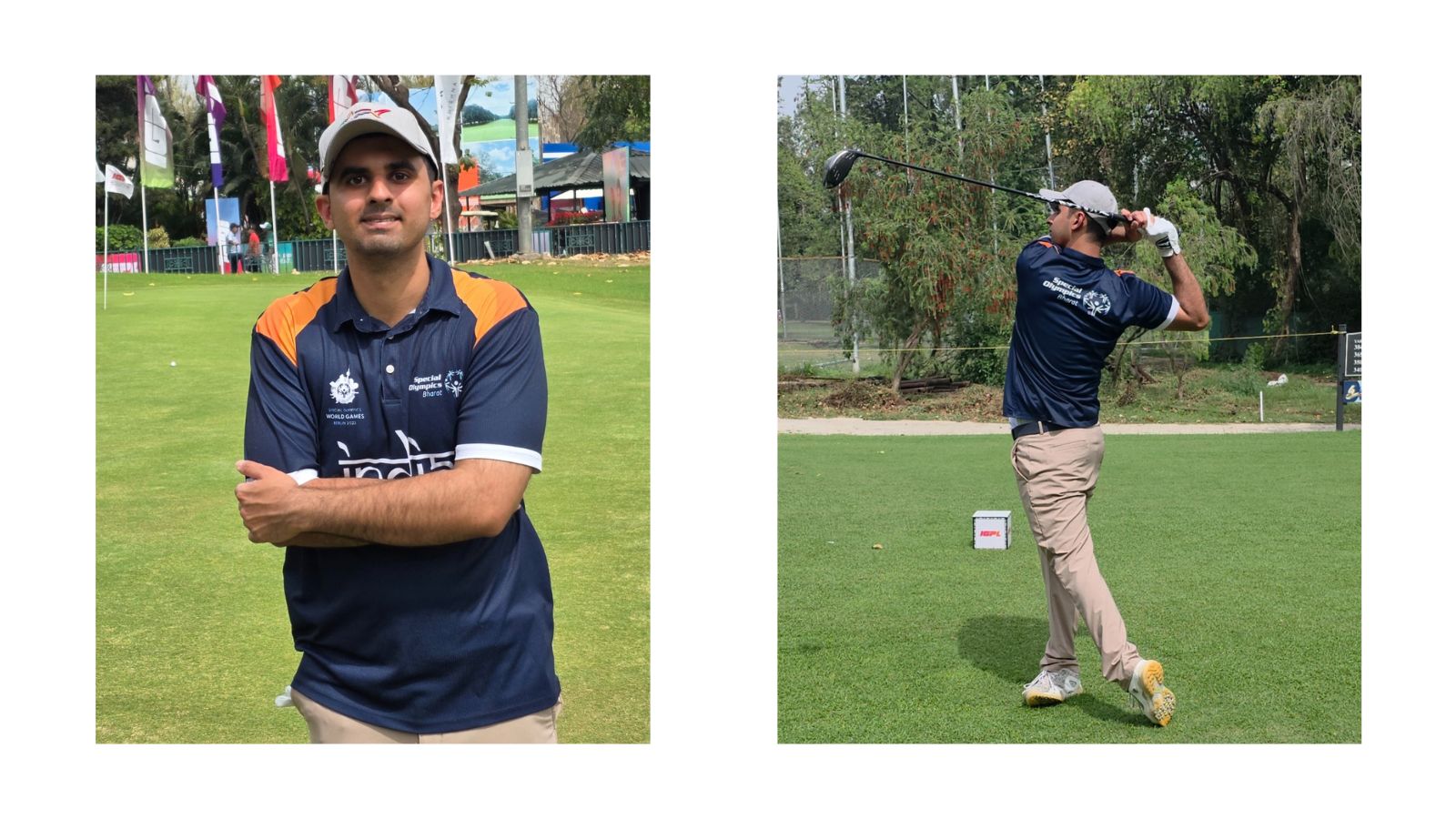
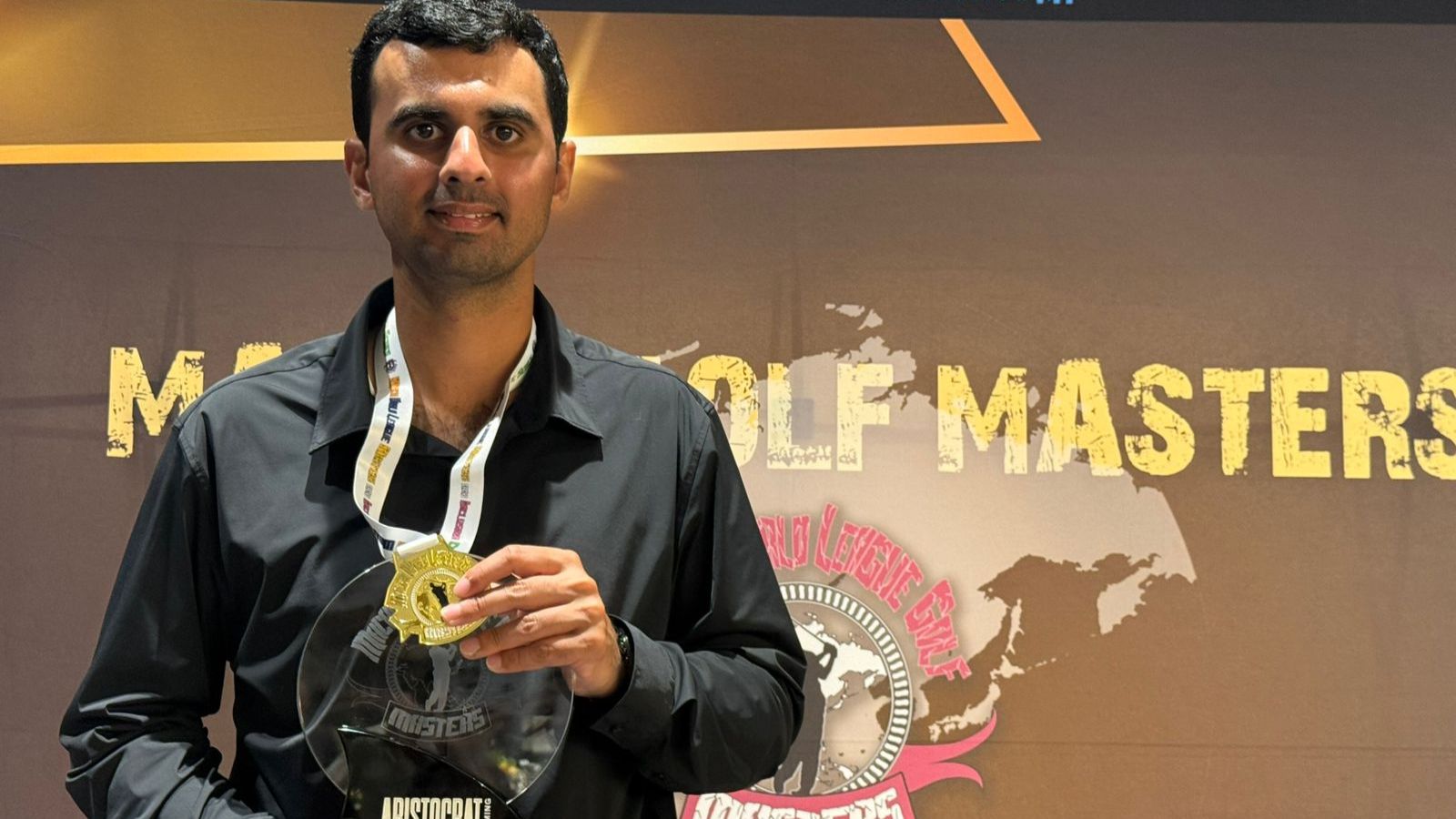
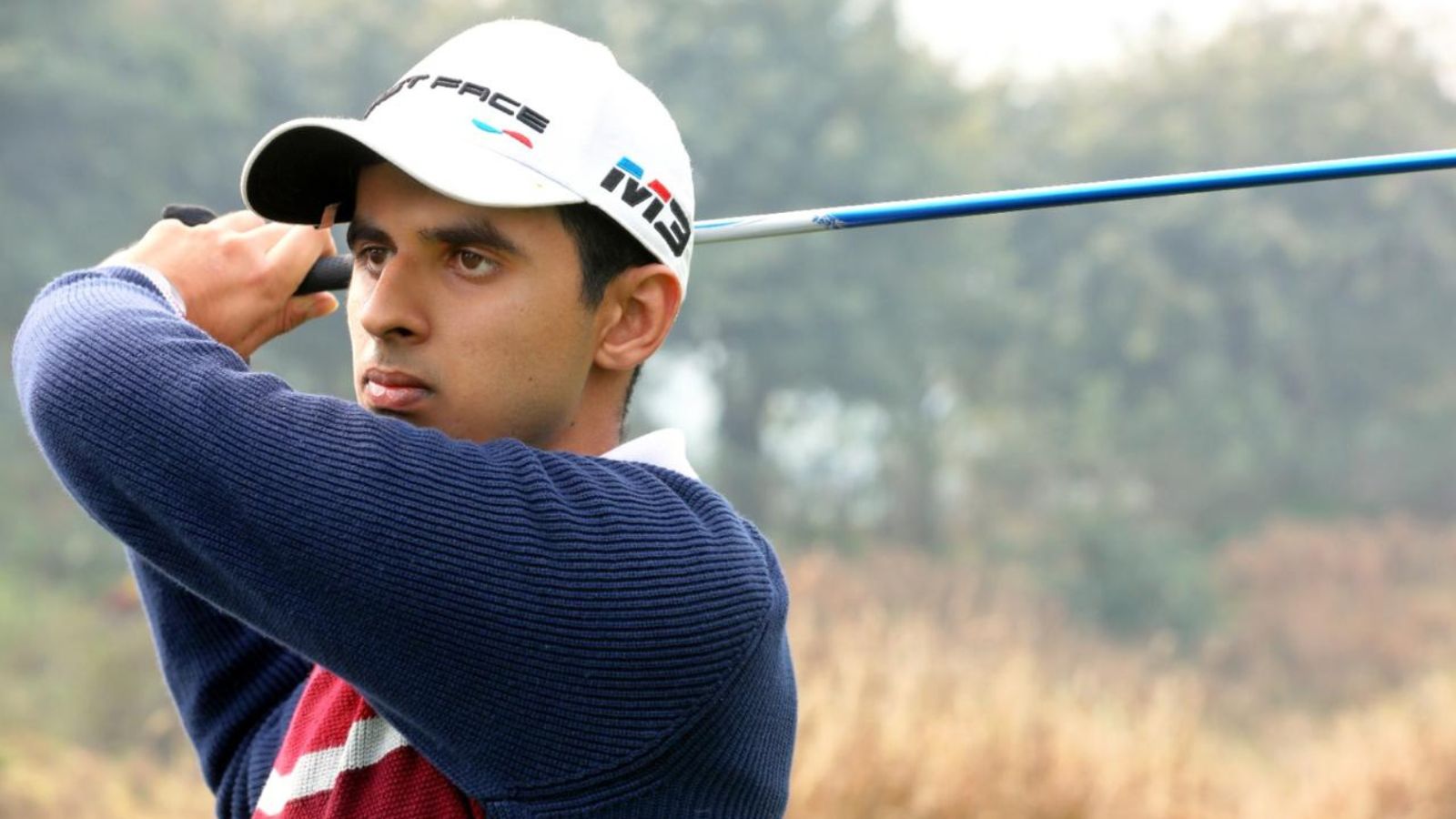
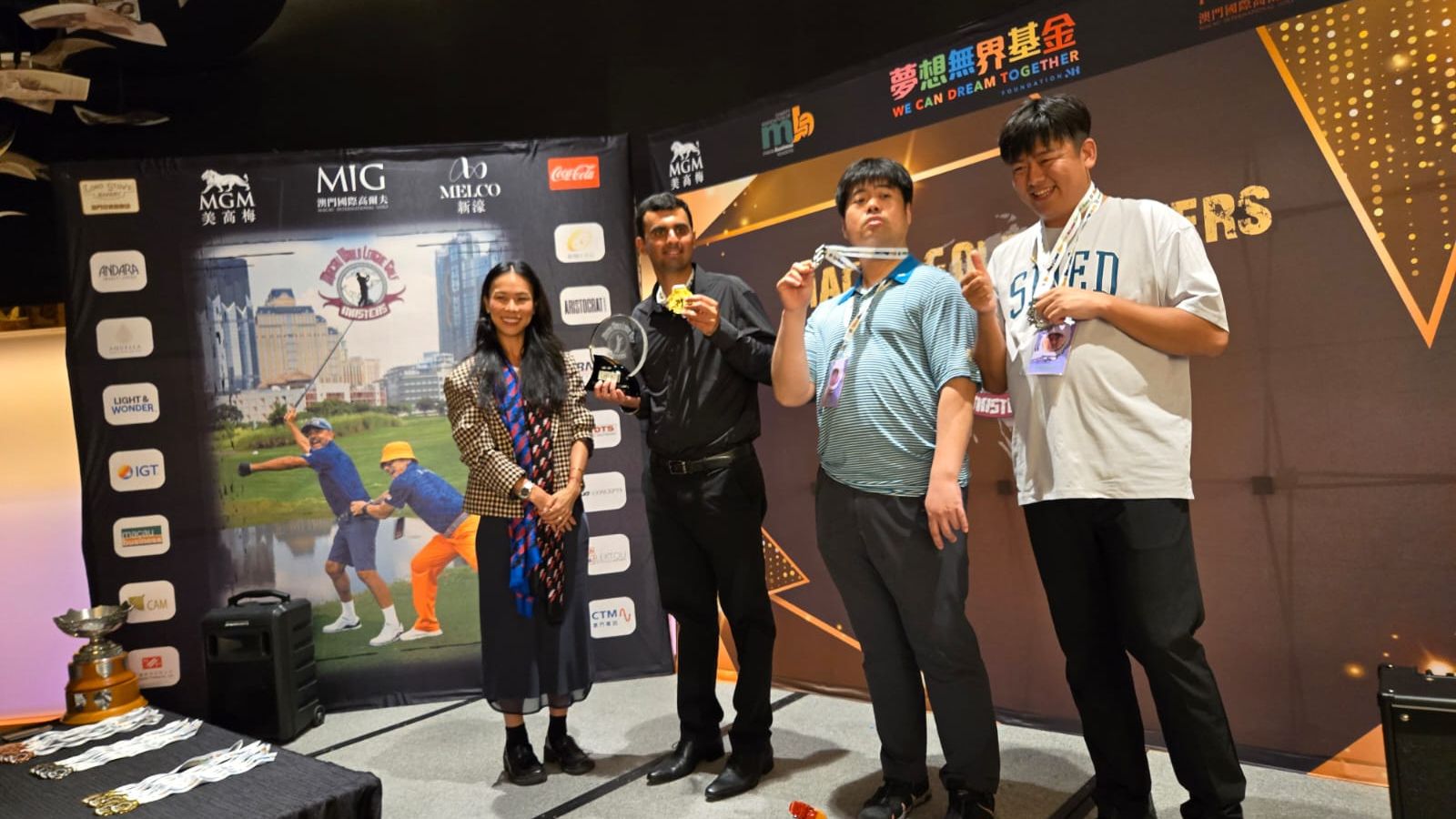
Ranveer Singh Saini, 25, who was conferred by the President of India in December 2024 and then praised by Prime Minister Shri Narendra Modi for his exceptional work, is truly an epitome of excellence, resilience, and inclusivity. He is a National Awardee, Bhim Awardee, Khel Gaurav Puraskar and the first special needs Golfer to bring home Golds and Silver for the Country in three consecutive World Games. Having achieved the record of being a 13-time National Champion, an 8-time Limca Record Holder and recently winning bronze Medal at the 2026 Golf Masters Macau, Ranveer has opened new doors of success, and his story shows how talent shines when the society supports in the most inclusive way possible.
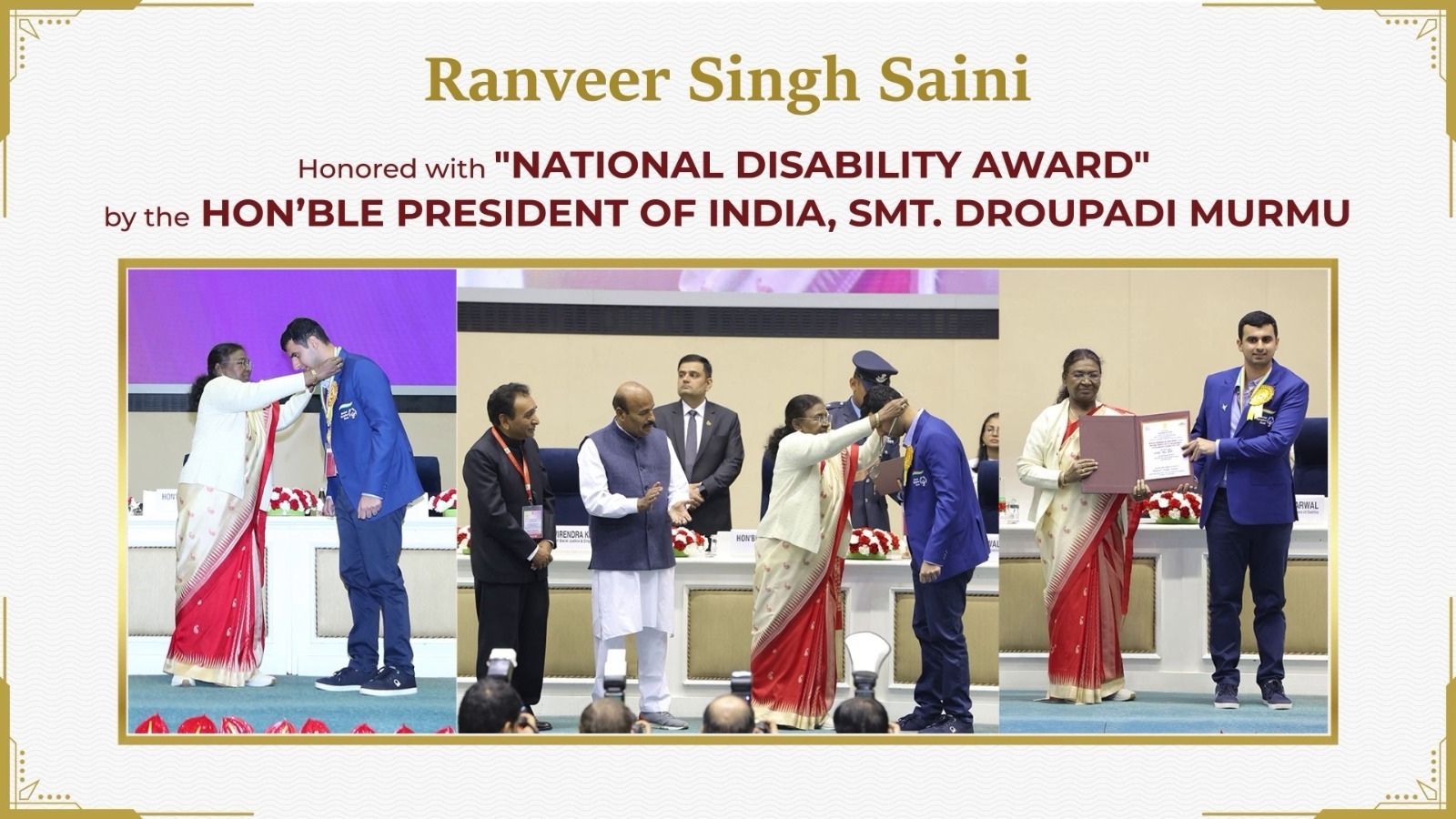
As we commemorate Autistic Pride Day, which is celebrated on June 18 around the globe, we spoke to Mrs. Bakhtawar Kartikay Saini, Ranveer’s mother, who spoke on his behalf about how his example serves as a strong reminder that neurodiversity is a shining example of innovation, creativity, and excellence.
Question) You’ve often been celebrated for overcoming autism, but do you think the bigger challenge was autism itself or navigating a world that wasn’t designed for neurodivergent people?
I don’t think autism was the biggest challenge. Autism is part of who I am. The harder part has been navigating environments that were not always designed with neurodivergent people in mind. When people are willing to understand, adapt, and include, many barriers become much smaller. Inclusion doesn’t change who autistic people are—it changes the opportunities they have.
Question? Many autistic individuals spend years learning to adapt to social expectations. Looking back, how much of your energy went into becoming a better golfer, and how much went into simply fitting into society?
Ans: Golf allowed me to be myself. The rules were clear, the goals were defined, and improvement came through practice. Fitting into society was often more complicated because there were many unspoken expectations. A lot of energy went into understanding those. I feel fortunate that golf became a space where I could focus on my strengths and grow with confidence.
Question) Golf is often referred to as a mental game. In what ways has your neurodivergent way of thinking become an advantage on the course, rather than a limitation?
Ans: I believe my continuous engagement enables me to create a lot of these skills which has helped go into my deep focus, attention to details, following routines and completing tasks. Being dedicated to it has helped with Golf. What some people may see as a difference can even be seen as strengths. Golf has taught me that there’s not just one way to think, learn or be successful.
Question) People usually see the medal-winning moments. What’s an invisible challenge you’ve faced as an autistic athlete that most people would never notice from the outside?
Ans: People often don’t see the effort that goes into managing change, unexpected situations, sensory overload, or the pressure of unfamiliar social interactions. Competing isn’t only about the sport itself. Sometimes, simply adjusting to a new environment can require a great deal of energy. Yet, like every athlete, I keep showing up and doing my best.
Question) Do you ever worry that society celebrates exceptional autistic achievers while overlooking the need to create opportunities for all autistic individuals, regardless of whether they become champions?
Ans: Yes. Every autistic person deserves dignity, opportunity and inclusion—not only those who win medals or gain public recognition. Success looks different for everyone. The goal should not be to celebrate only exceptional outcomes, but to create a society where every individual has the chance to participate, contribute, and thrive.
Question) Can you recall a moment when someone genuinely included you—not out of sympathy or inspiration, but because they saw you as an equal competitor? What did that moment mean to you?
Ans: The moments that stay with me are when fellow golfers treated me just like any other competitor—focusing on my game rather than my diagnosis. Those experiences reinforced that true inclusion is not about lowering expectations; it’s about creating equal opportunities and mutual respect.
Question) As someone who has experienced both exclusion and recognition, how do you define true inclusion? Is it access, acceptance, representation, or something deeper?
Ans: True inclusion is all of those things together. It’s having access to opportunities, being accepted for who you are, seeing diverse representation, and, most importantly, experiencing a genuine sense of belonging. Inclusion means not having to constantly prove that you deserve a place at the table.
Question) If your journey proves anything, is it that autistic individuals can succeed despite barriers—or that many of those barriers were unnecessary in the first place?
Ans: I think it shows both. Autistic individuals are capable of achieving incredible things. At the same time, many barriers exist because systems were not designed with neurodiversity in mind. When those barriers are reduced through understanding and accommodation, people can focus their energy on growth instead of merely coping.
Question) A message for every family who is struggling to get the right inclusion in society, school, and surroundings?
Ans: Please don’t give up. There may be difficult days, but your child’s worth is not defined by how closely they fit into someone else’s expectations. Celebrate progress in all its forms. Advocate when you need to, seek communities that understand, and remember that acceptance starts at home. Every child deserves to be seen for their abilities, not just their challenges.
Question) One thing Ranveer wants the world to learn from his journey?
Ans: Don’t underestimate people because they communicate, learn, or experience the world differently. Inclusion isn’t an act of kindness—it’s a recognition of human potential. Sometimes, all a person needs is someone who believes in them and gives them a fair chance.