In a world that so often compares children to milestones set by adults, families raising children with developmental and genetic conditions are uniquely rewriting the measure of progress. To them, inclusion is far from just a policy buzzword; it is part of a deep and unwavering pursuit in their daily life founded on love, patience and resilience.
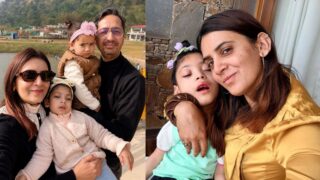
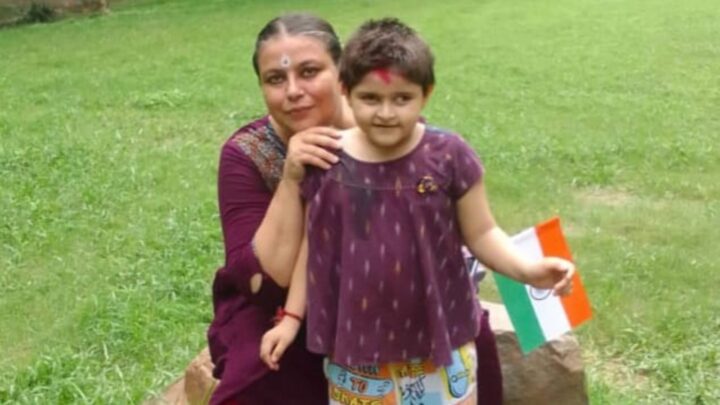
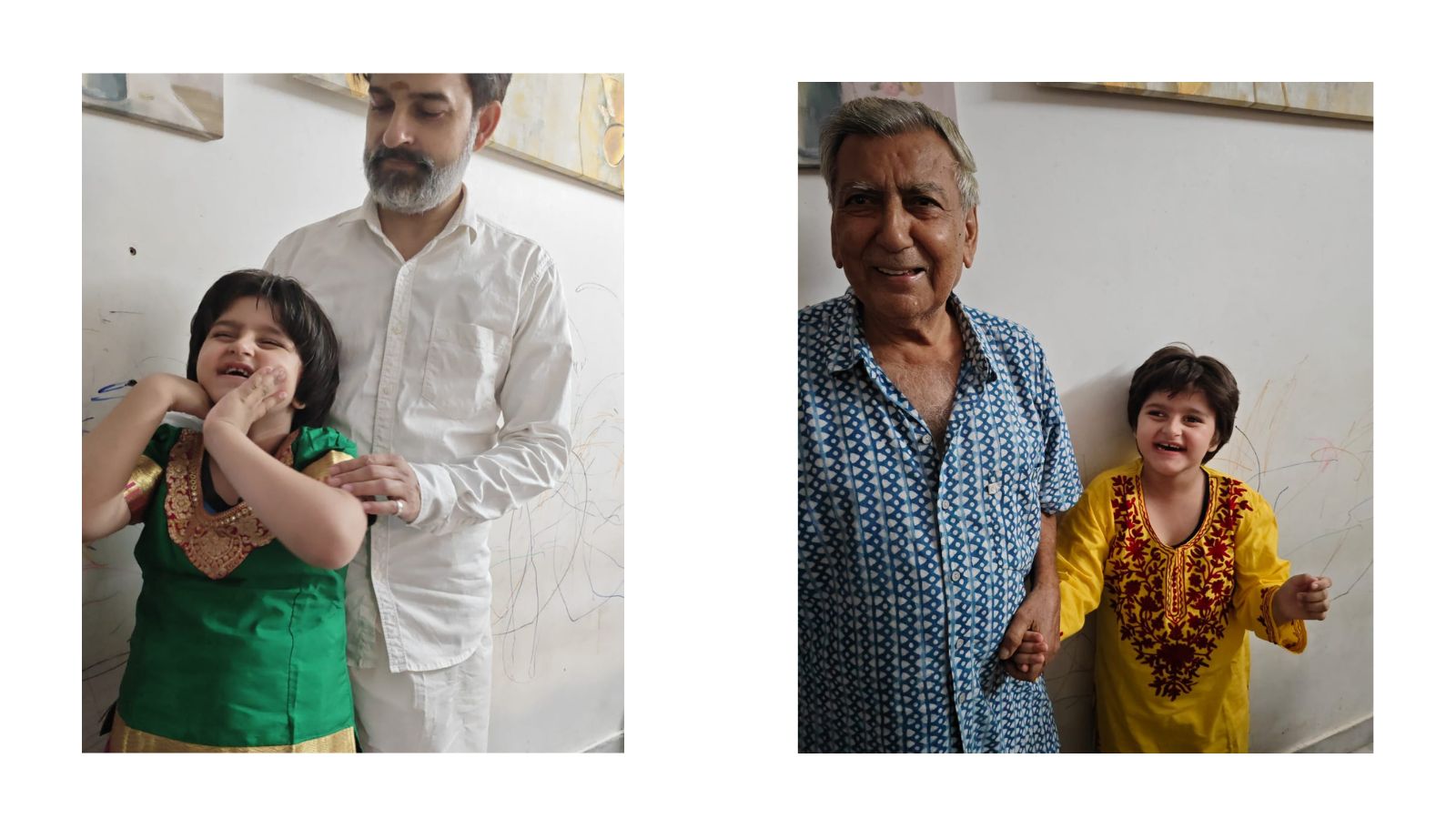
One of them is six-and-a-half-year-old Sriyassi, diagnosed with Angelman Syndrome, who has re-defined what it means to grow. She enjoys dancing to music and practises her version of art on anything and everything she can find. But, behind her story is a mother who has managed most of the challenges of caregiving, juggling therapies, school, uncertainty and hope. They have laughed, they have cried, broken and built down barriers, celebrated every hard-earned milestone.
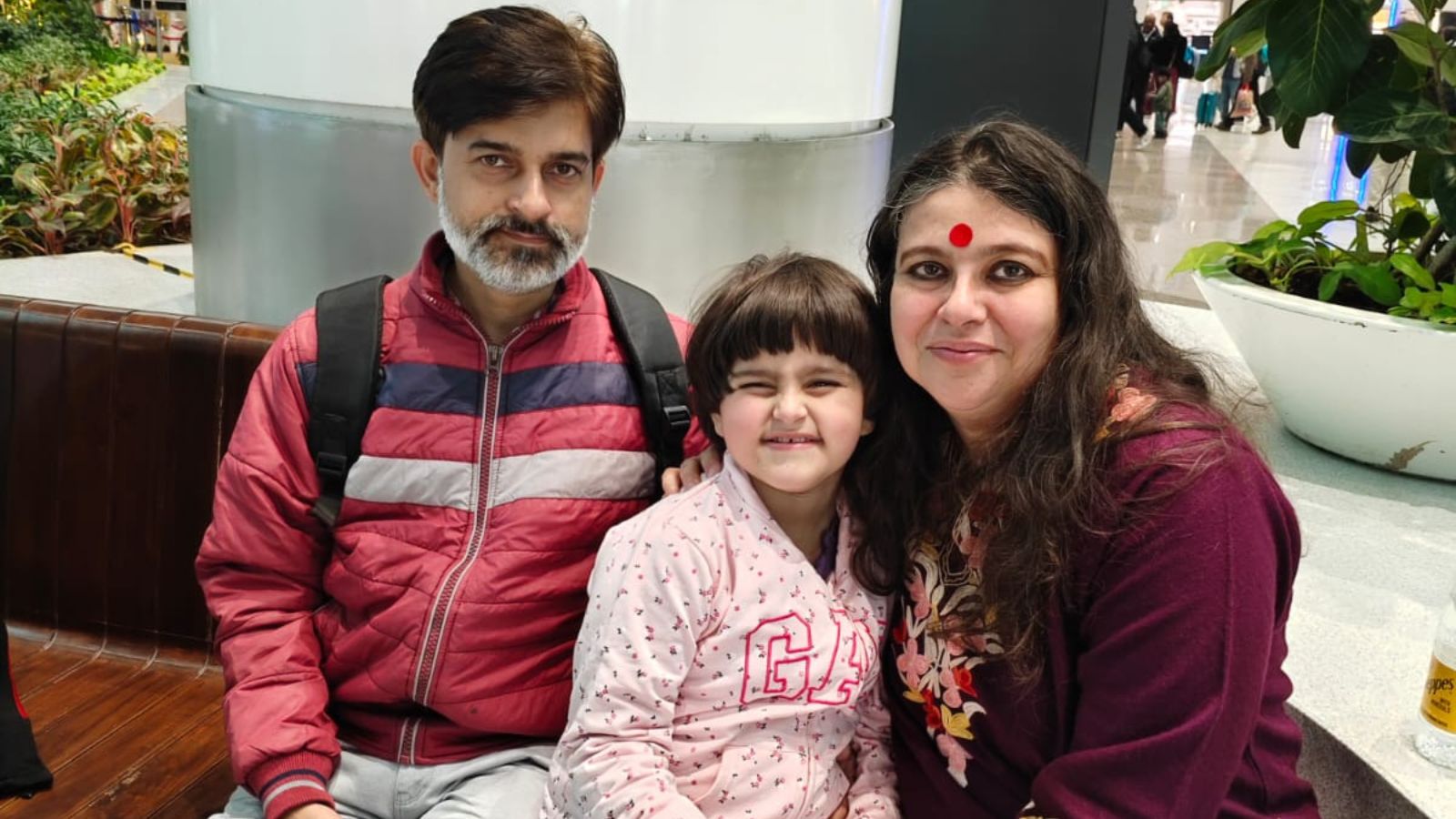
Sarah Berry, 48, Board Member, Advisor and Consultant, talks about her daughter’s diagnosis and their milestone moments in this interview:
1) Since Sriyassi was diagnosed with Angelman Syndrome in 2022, what developmental gains have you observed through therapy, and which areas remain the biggest focus today?
Since Sriyassi’s diagnosis (2022) and subsequent therapies, she has shown a lot of improvement. Her confidence has improved; she is now less intimidated by new places and/or people; she understands better what is being told to her or asked of her; and her communication, though non-verbal, is becoming stronger with the passage of time. The areas of focus remain what is termed as ‘intellectual disability’ and her balance.
2) How did your family react to the diagnosis?
An expected reaction is disbelief, which remained for quite some time. However, time is, indeed, the truth, and one gradually comes to understand the same. Early acceptance is critical for timely intervention.
3) As a largely single parent managing therapies, school, and daily care, what has been the most challenging aspect of supporting Sriyassi, and what strategies have helped you cope?
However difficult it may sound, keeping oneself foremost is paramount. If one is healthy, one can take on responsibilities; otherwise, it becomes difficult. Having a support system in place, delegating what one can delegate, and keeping an overview are vital in order to save time for oneself as well.
What remains a challenge is consistent multitasking, each day being different from the other to such an extent that there is little room for predictability, and the growing age of the caregivers—be it my father, Sriyassi’s secondary caregiver, or myself.
4) How has Sriyassi’s school adapted to support her learning and participation, and what does meaningful inclusion look like for her in the classroom and among her peers?
Sriyassi attends a school for children with special needs. Having said that, interaction with other children, irrespective of barriers, is encouraged. An individual plan helps us align with the school’s teachers on what can be, and what should be, achieved for her and by her within an academic year.
Having said this, there is no pressure. The main aim is to help her be comfortable in her school environment, encourage her to explore, and help her grow overall as much as possible.
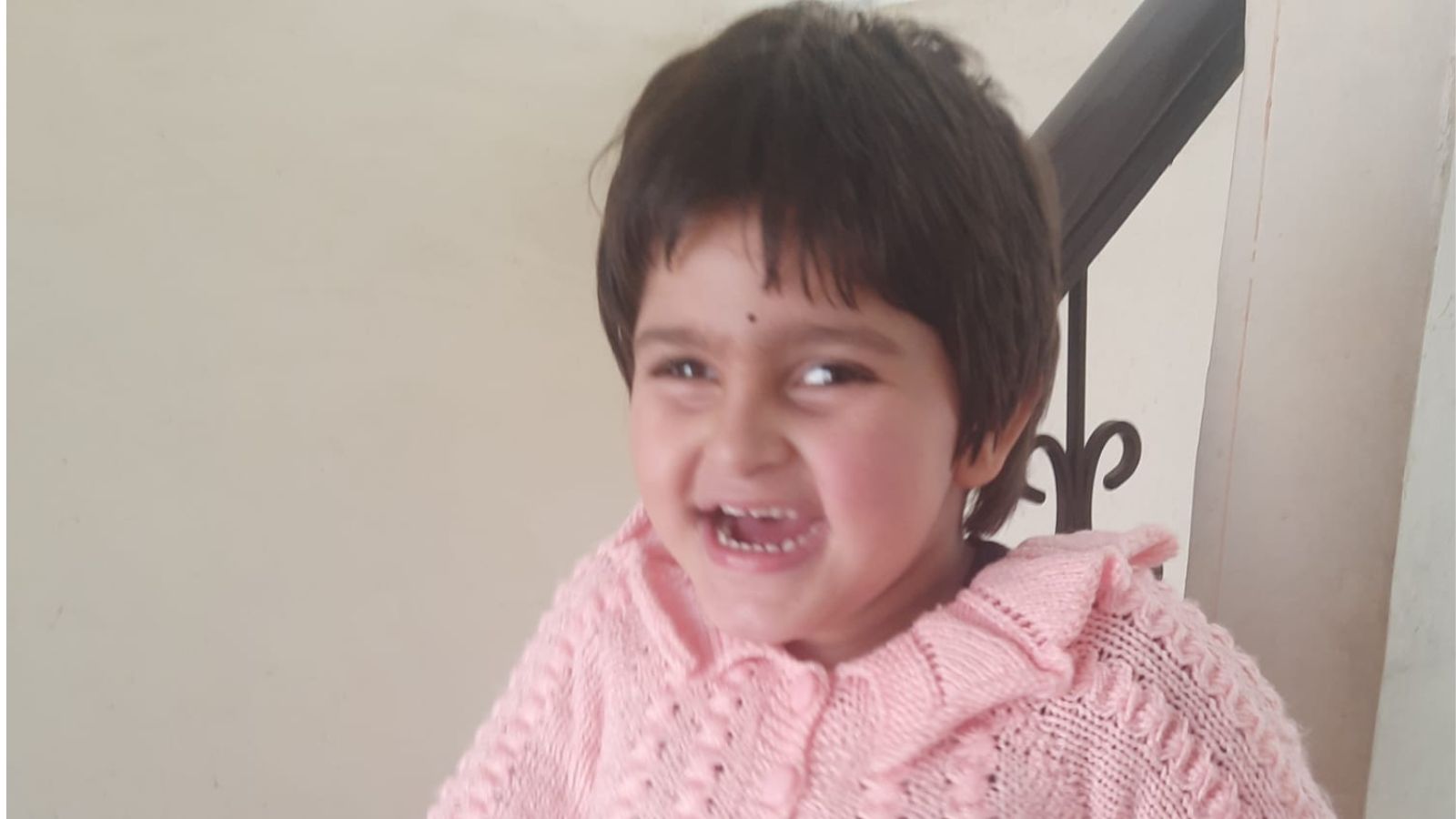
5) Sriyassi enjoys dancing to music and creating artwork. How have these interests helped her communication, confidence, social connections, or overall development?
I think a consolidated effort by her family, immediate surroundings, school, therapists, doctors, and all others I may not remember mentioning here has played an important role in helping her socialize and grow positively. It takes a lot of energy, patience, and time, but it does work, albeit slowly and steadily.
6) What misconceptions about children with Angelman Syndrome would you like people to better understand, and how can schools, communities, and families become more inclusive?
There are times when the world looks at Sriyassi differently, but primarily because she is not like others. Actually, each one of us is different from the other, so if we keep this in mind, understanding and empathy come easily.
The wonderful part is that Sriyassi doesn’t seem to mind how she is perceived. She enjoys her world and the world outside it. I guess if each one of us could learn this, it would make the world a better place.
Besides, Angelman Syndrome is not a common genetic disorder, so people don’t understand much about it. One has to explain, if the situation so demands; otherwise, I just let Sriyassi do the explaining in her own way, which is more often than not very insightful.
7) When you think about the next five to ten years, what are your hopes and priorities for Sriyassi in terms of independence, education, self-expression, and quality of life?
As a parent, I hope that she has a fulfilling life—a life that is healthy and joyous—and that I remain healthy enough to be around her for as long as possible.
I don’t know what the future holds. None of us does. But I hope we can.