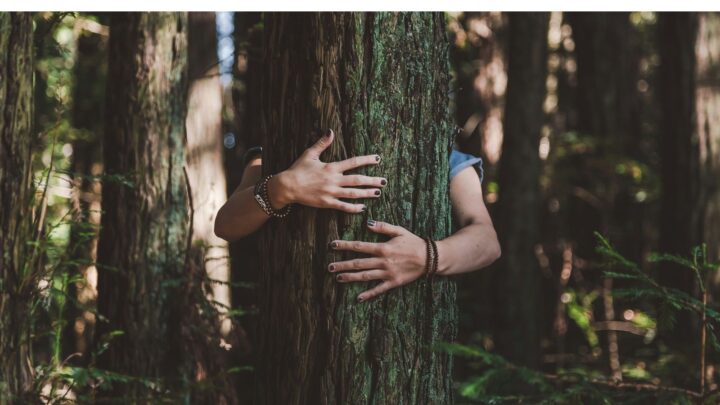
The phrase “go play outside” may be the most outdated parenting advice around, yet scientists are beginning to explore whether exposure to nature has specific advantages for neurodivergent children.
A 2026 scoping review published in the Journal of Environmental Psychology examined 43 studies involving children and young people with autism or ADHD. Twenty-five studies focused on ADHD and 18 on autism. The research explored activities ranging from outdoor play and nature walks to gardening, camping and access to green spaces.
Also Read: Choosing Between Special and Inclusive Schools
The results are encouraging but not conclusive.
Why might nature help?
Two significant pathways were identified by researchers – restoring and creating capacities. The Attention Restoration Theory states that natural environments serve to restore depleting attentional reserves, and the Stress Reduction Theory suggests that nature exposure reduces stress while aiding emotional regulation.
The review, published in 2026, found the strongest evidence for links between nature exposure and reduced ADHD symptoms and increased wellbeing among children with ADHD. Findings related to concentration were mixed, while the review found no clear association with intelligence or working memory.
Also Read: Autism: 12 Behaviours the Neurotypical World Gets Wrong
For autistic children, nature exposure was associated with pro-social behaviour and a range of emotional experiences, although the evidence is less developed than the ADHD research.
A 2025 autism-specific scoping review, which examined 36 studies, similarly found research exploring nature-based experiences such as gardening, horticulture, nearby nature outings, camping and other outdoor activities. The studies examined outcomes related to behaviour, functioning and wellbeing.
What Doctors Say
Dr. Jagdish Kathwate, Consultant Neonatologist & Paediatrician, Motherhood Hospital- Kharadi Pune, says that nature offers a good supportive environment for neurodivergent children but it is wrong to think of it as a treatment or cure for autism or ADHD.

Also Read: How to Develop Language Skills in Neurodivergent Children
“Children may get through outdoor activities the chance to physical movements, exploration, relaxation as well as different visual, auditory and tactile experience. If it’s the case for a handful of kids, nature might help the child pay attention, regulate emotions and feel good overall.
“In reality though, each child’s reaction is unique. For example, a bustling playground could be a great stimulant for a child and the cause of major distress for another child. Parents can begin by offering their children easy and gentle activities such as quiet walking in a park, gardening or playing outside. They should also be sensitive to their child’s sensory needs and provide comfort. It is about having fun, being safe, and being able to offer different experiences according to the child,” he says.
Nature can mean different things
Importantly, “nature” does not necessarily mean taking a child into a forest.
It could mean gardening at home, sitting in a park, walking among trees, playing outdoors, visiting a farm, spending time near water or participating in an outdoor classroom.
For a neurodivergent child, the quality of the environment may matter as much as the amount of time spent outdoors. A quiet garden may be calming for one child, while a crowded playground, strong sunlight, insects, mud or unfamiliar surroundings could be overwhelming for another.
Also Read: Diagnosed With Autism at 2.5, Thriving at 22: Milan Singh Shares Son Samar’s Journey
So the goal should not be simply “more nature”, but the right kind of nature experience for the individual child.
What about sensory regulation?
This is particularly an interesting aspect for the families of autistic children.
Natural environments offer specific types of sensory experiences—leaves moving in the wind, water, spaciousness, natural textures and repetitive sounds. For other children, these experiences may feel lower intensity than congested noisy indoor settings.
However, nature did not come as sensory friendly automatic. An insect that buzzes, excessive heat, strong odour or the unpredictability warmer temperatures of an outdoor setting can cause sensory distress as well. Hence, individual preferences and sensory profiles should always be taken into account.
Could schools use nature differently?
The research also opens up new opportunities for outdoor education.
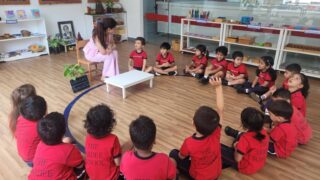
Gardening, observing plants and animals, walking, outdoor art or learning with natural substances could integrate activity, sense stimulation, socialization and education.
2025 systematic review examining nature exposure and the nervous system in children and young people found associations with relaxation-related physiological changes and, in some contexts, improved attentional processing. However, researchers noted that the neurobiological evidence remains poorly understood.
Also Read: How Home-Based Autism Therapy Helped Little Guru Thrive Against the Odds
India needs more research
One major limitation is geography. The 2026 review found that its studies were primarily from North America and Europe, highlighting the need for research across different cultural and geographical settings.
That makes an Indian question particularly relevant: What does accessible nature look like for a neurodivergent child in Mumbai, Delhi, Bengaluru or a smaller town? It could be a school garden, neighbourhood park, terrace garden or simply a quiet outdoor space.
Accessibility matters too. A park may be green, but without accessible pathways, toilets, safe spaces and sensory-friendly design, it may not be genuinely inclusive.
Nature is not a cure
The evidence does not suggest that nature can cure autism or ADHD. The 2026 review itself identifies major gaps, including the need to understand exactly which elements of nature produce benefits and how these effects vary between children. Nature should therefore be viewed as a potential supportive environment, alongside appropriate educational, therapeutic and clinical support.