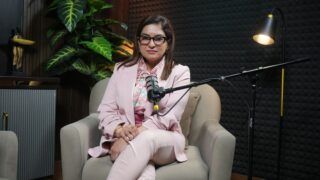

Vidya Banerjee, 53, from Tampa, Florida is an autism advocate and founder of Autismfamilystory . She and her husband Ben Banerjee, 52, have been travelling down their younger son Aarian’s path of autism since he was diagnosed at three years of age. Vidya’s advocacy has been moulded by this journey—from grappling with uncertainty and lack of knowledge to accompanying Aarian through therapies, schooling, graduation, and increasing independence. Now, she is using her experience to help other families of autism feel informed, supported and hopeful.
In this conversation, Vidya looks back at how far Aarian has come since the start of the journey, what her learning over these past years as a mother and an advocate have been, and why belief in a child can change everything.
Question) At what age was Aarian diagnosed with autism, and what were the first signs you noticed? What was the initial period after his diagnosis like for you and your family? What were your biggest fears and challenges?
Answer) Aarian was diagnosed with autism at 3 years of age even though he started showing regression around 18 months of age. Initially he met all his milestones, but things started changing around 18 months of age. The first signs we noticed were he stopped babbling, there was no response to his name, he loved being alone, not playing with toys, loss of eye contact, toe walking and flapping his hands.
Also Read: Can Nature Be a ‘Therapy’ for Autism, ADHD? What New Research Says
Initial days after the diagnosis were very hard. We had heard about autism for the first time and had very little knowledge about it which felt very overwhelming. We didn’t know how to help and support our son. It was my mother-in-law who was a special education teacher who first brought it to our attention of our son being on the spectrum. She was able to guide us but even with her knowledge and support the early years were extremely difficult for us as parents. We were told this was a lifelong diagnosis. Our biggest fear was how we were going to help our son navigate this lifelong diagnosis and support him and what his future would look like. There was no social media where these days parents can find so much support.
Question) Looking back, what helped you most during those difficult early years—family support, therapists, school, other parents, or something else?
Answer) There was no family support as we lived in a foreign country. Therapy helped to some extent as it provided my son with a structure and routine. One of the biggest thing which helped me personally was I went back to school and did my Autism and Behavioural Science Graduation program which helped me a lot to understand autism and how to support my son at home along with the various therapies he was going to . That was a game changer for me. I never looked back after that. Going back to school and getting the knowledge gave me a sense of direction at a time when I felt lost.
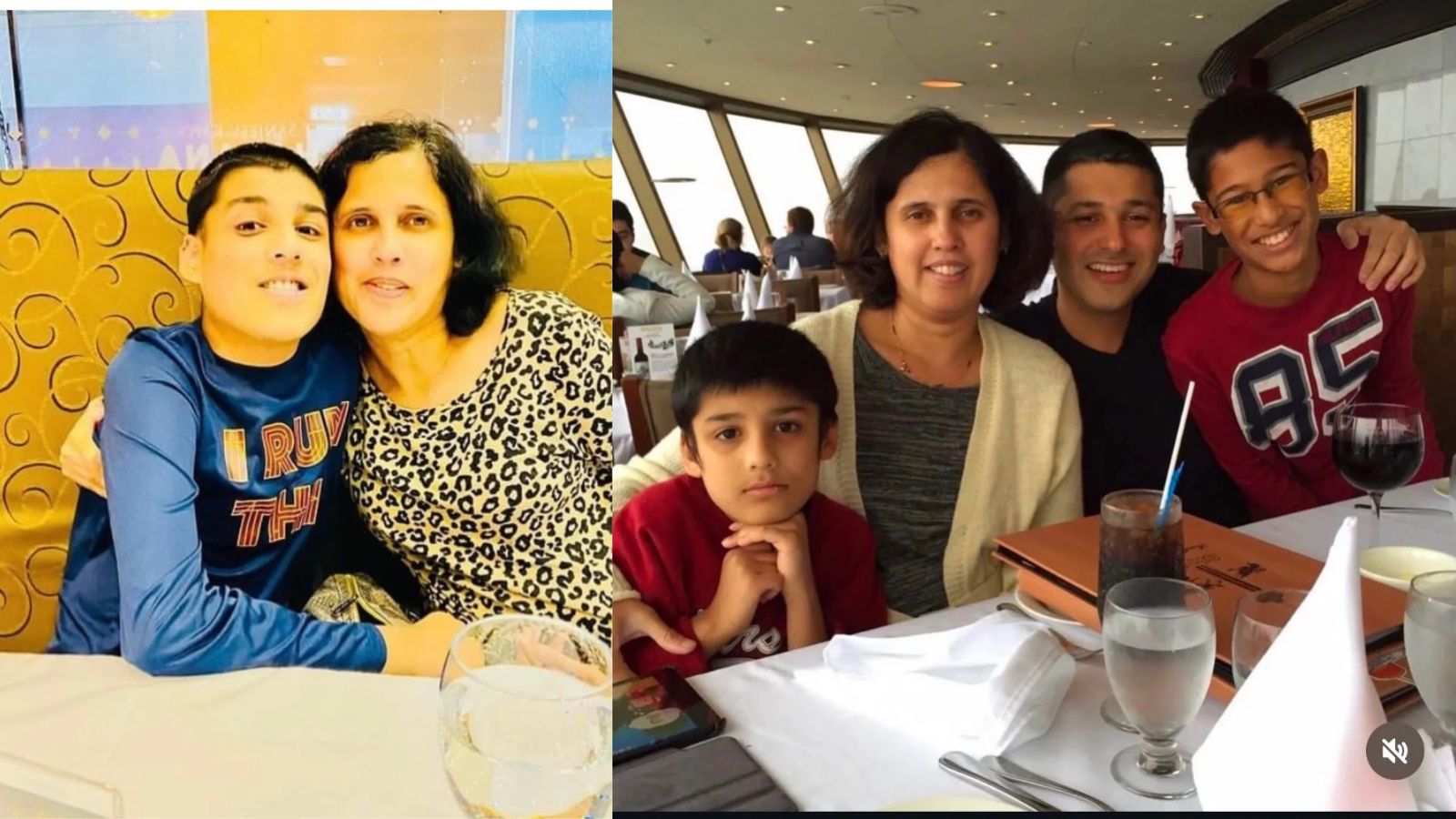
Question) From Aarian’s diagnosis to his graduation, what were some of the biggest turning points in his journey? What therapies, strategies or parenting approaches worked particularly well for Aarian, and how did you know what was right for him?
Answer) There were several turning points along the way in our autism journey. The biggest one was when I went back to school to educate myself to help my son. It helped me to better understand and support him. The other turning point was progress in our children on the spectrum is never linear. We made progress but than on some days we faced setbacks, but the biggest thing is we kept going. I always believed in myself and my son. I was a very hands-on parent, and I put in lot of work at home in addition to his therapies. My son continued making progress and has come a long way.
Also Read: Beyond Therapy: Prachi Deo on What Families of Children With Disabilities Really Need
School was another turning point in our journey. My son loved school and it gave him opportunities to learn from teachers who really cared for him and supported him.
Graduation was a big turning point specially when we were told he won’t ever achieve it. During his diagnosis we were given a long list of things he won’t be able to do. Graduation made me realize how far my son has come. Progress happened on different timelines for my son.
We did speech therapy, occupational therapy and ABA therapy for our son.
Question) You often talk about teaching child’s everyday skills and gradually stepping back. How did you encourage Aarian to become independent as he grew older?
Answer) I often talk about teaching our children on the spectrum independence skills. The only way our children can achieve that is when we as parents give them opportunities to do things on their own as for our children independence doesn’t happen overnight. It takes time, patience, consistency to slowly start working towards independence. Ideally, it’s better to start teaching them life skills when they are young but even if they are old it’s not too late and parents should start now than waiting as it is never too late. I encouraged independence with my son by giving him opportunities to do things for himself. It took is time and consistency for my son to reach here. My son is on the severe end of the spectrum, and it has taken him years to learn these skills. Things that helped me was to believe in my son’s competence. Sometimes progress felt slow, but we still kept going and showing up for my son .
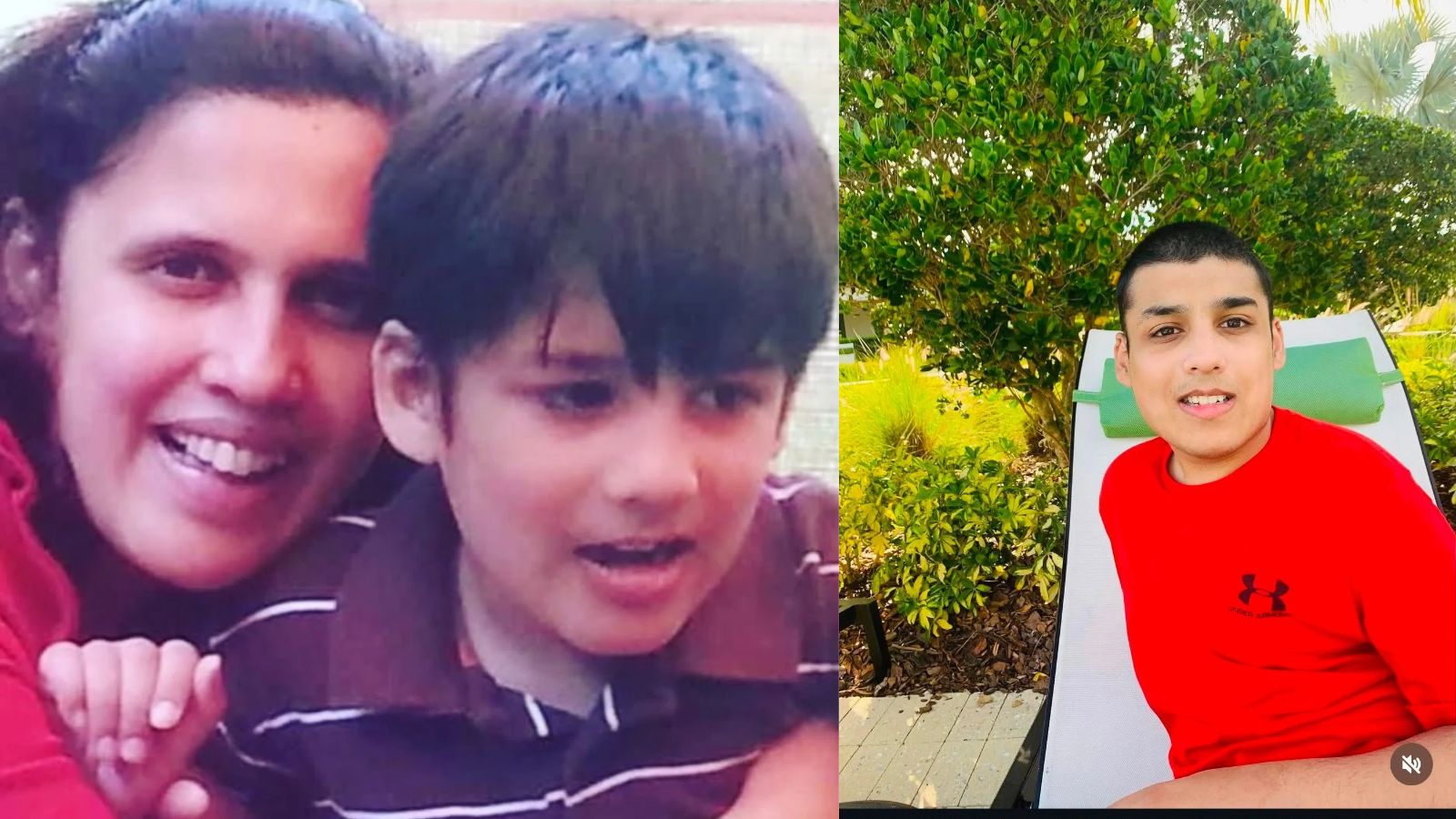
We are still not there yet and independence is an ongoing journey for my son. We continue to build on his independence by teaching , practicing and stepping back when we can with the goal of helping him be as independent as possible as he grows older
Question) What did you learn about your son—and about yourself—as you moved from the early years of autism to seeing him graduate?
Answer )I learnt that my son could do so much more than I sometimes realise. He needs the right kind of support, patience and opportunities. I learnt to believe in him and presume competence which has been a big part of our journey. I learnt about myself too that I was much stronger and resilient than I thought I was. Our journey has taught me that every child’s journey is different and not to compare it with any other child. Our journey has taught me to always believe in my son and his potential.
Also Read: ADHD Is Everywhere—But Is Every Restless Child Really ADHD?
Question) What do you think worked in your favour over all these years that helped Aarian reach this milestone?
Answer)I think consistency, patience and believing in my son worked in our favour. I kept going even when the progress felt slow. I kept showing up for my son and giving him multiple opportunities to practice the skills despite of slow progress and this was the thing that really worked for us. By not comparing our journey to anyone else and continuing to believe in my son even when things were slow or difficult helped.
Question) You openly talk about the loneliness and exhaustion that autism parents can experience. What helped you keep going when things felt overwhelming?
Answer) Loneliness and exhaustion are a big part of the journey for every autism parent. I don’t always know what kept me going. There have been times I have felt exhausted and very lonely, but I kept showing up for my son because as a mother I am his biggest advocate. I love my son unconditionally and reminding myself to focus on what I can control by taking one day at a time kept me going.
Question) What would you tell a parent who has just received an autism diagnosis and is feeling scared, confused or completely lost?
Answer) I would tell a parent who has just received autism diagnosis to first give themselves time to accept the diagnosis. It’s okay to grieve but once they have accepted the diagnosis remember it’s still the same child you loved before the diagnosis. A diagnosis did not change your child. Take one day at a time and be involved in their learning and progress and to believe in themselves and their child.
Question) You have built a platform around supporting autism families. What is one thing you wish every parent of an autistic child knew about their journey?
Answer) One thing I want every autism parent to know about this journey is that it is not your fault. There is nothing you did or didn’t do caused your child to be autistic. I believe it personally and hope every parent let go of the guilt. Our children need our love, support and advocacy. Take one day at a time and focus on helping our children have the best life they can have.
Question)You also speak about inclusion. What does true inclusion mean to you, beyond simply allowing an autistic child into a school or community?
Answer) To me inclusion is not a buzzword or simply allowing a child in to a school or community. True inclusion means involving our children in everyday lives, give them opportunities to participate and making them feel they belong.
Also Read: Is Vaccine Really Linked to Autism: Doctors Explain Trump’s Claims
Question) What changes do you want to see in schools, workplaces and communities so that autistic children can grow into independent and confident adults?
Answer) I would like to see more support in schools and for their entire lives as autism doesn’t end at 18 or 21. There needs to be more opportunities for adults on the spectrum for meaningful work and employment but sadly many are left without it. There needs to be more support and acceptance from people and communities, and our autistic adults lead a meaningful life .
Question) If you could go back to the day Aarian was diagnosed, what would you tell the mother you were then?
Answer) We were handed this lifelong diagnosis for our son. I would tell her it’s okay you don’t have to figure out everything today and my son is still the same child I lived before the diagnosis. Things will be okay. Take one day at a time .