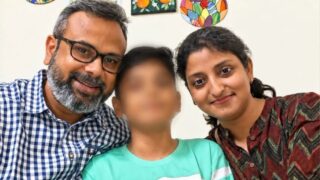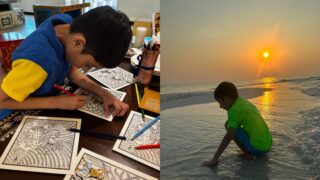

The experience of raising a child with a disability can be an isolating one, with families often finding it hard to connect with wider society and struggling to find acceptance, support and spaces where their children feel completely included. Nayi Disha’s founder Prachi Deo has spent years trying to change that.
Launched in 2015, Nayi Disha provides information, advice and practical resources to families of children and adults living with autism, intellectual and developmental disabilities (ID/DD),Down Syndrome and other types of developmental disorders. Whether it be helping parents understand a diagnosis of autism to preparing for adulthood, the organisation strives to ensure families feel informed, empowered and less alone at every stage in their journey.
Also Read: Is Vaccine Really Linked to Autism: Doctors Explain Trump’s Claims
In this interview, Prachi discusses the challenges families of children with disabilities face, the need for community support for these families and how real inclusion can help them graduate from isolation and fear to confidence and possibility.
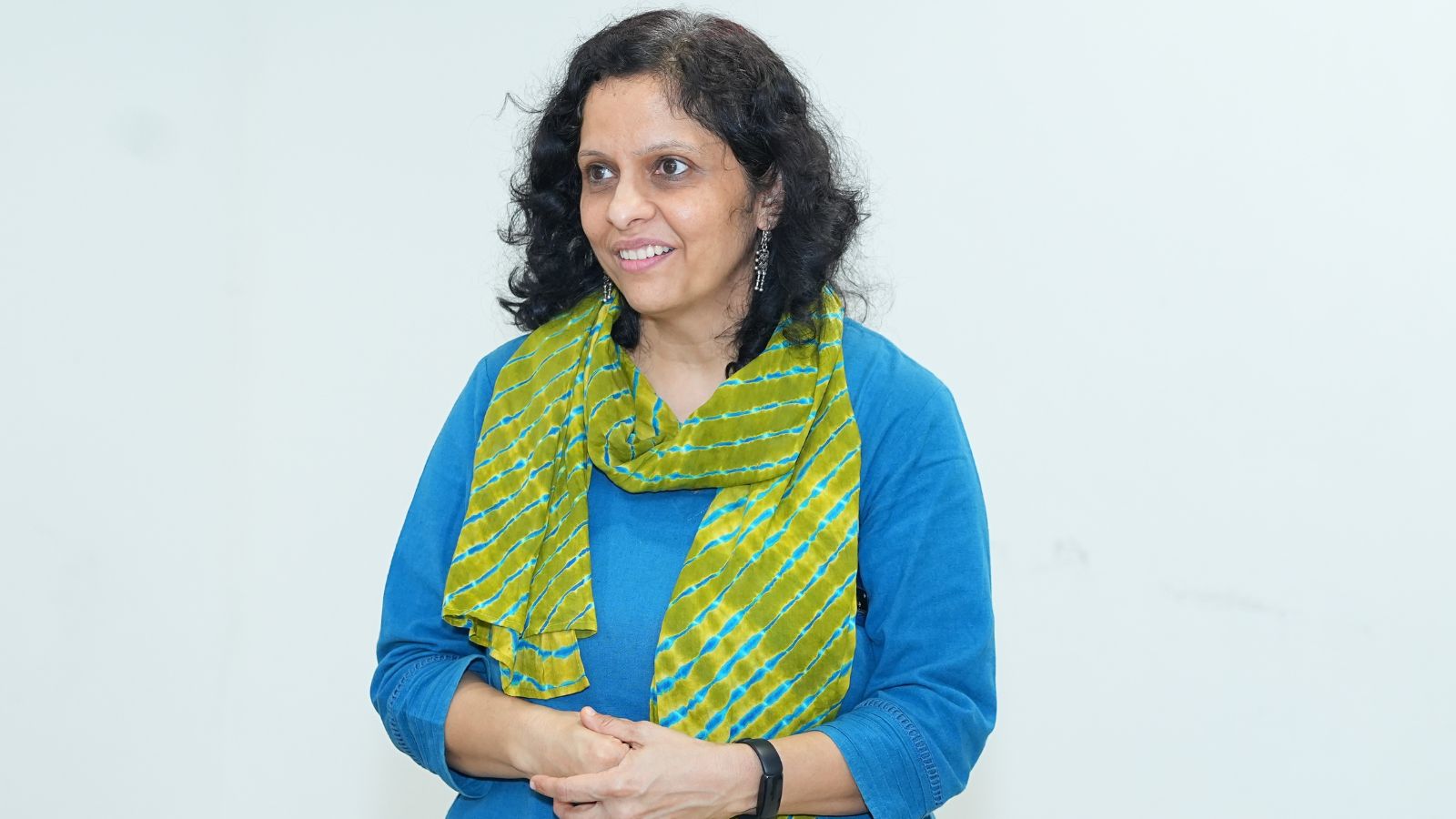
Q) Why do parents of children with disabilities often feel alone, even when they have family and a community around them? What can they do to keep their mental health in check?
Answer) The loneliness often stems not from being physically alone, but from feeling unseen, not understood. Quite often than not, family and friends may love you deeply but still not fully grasp the emotional, financial and practical realities that resurface at every small milestone. As a caregiver to my elder brother and working with countless families over the years, we have learnt that finding others who truly get it, without needing it to be explained, can be life-altering.
Also Read: How to Develop Language Skills in Neurodivergent Children
We as caregivers have to prioritise our own well-being to show up better for our loved ones.. Give yourself permission to rest, seek peer support, get counselling or ask for shared responsibilities.
Q) Why do some parents stop taking their child to birthday parties, malls or family functions because of people’s reactions? And is that really a solution? How can parents build their self-confidence and courage to give the kind of opportunity they deserve?
Answer) Repeated judgement, being stared down at and feeling excluded, wears parents down. And avoidance starts feeling safer than another round of whispered comments. For some, it may run deeper. They hold back because of the stigma and non-acceptance that still surrounds having a child with disability. Both isolate the child as well shrink the parents’ world further.
Acceptance and courage grows with small steps. Start with short outings, briefing hosts and friends beforehand, one supportive friend alongside you and connecting more with parents like yours. And finally, celebrate each positive experience and zoom out focus from what went wrong.
Q) What is one thing society and even relatives still get wrong about children with disabilities and their parents?
Answer) Ironically, even today the biggest misconception is that the child needs “fixing” or “being extraordinary” to be worthy of love and inclusion. All they truly need is to be treated as themselves – not pitied, not over-praised, just met with a little awareness and sensitivity. Neither low expectations that limit them, nor unrealistic ones that exhaust them. Parents are also not victims or saints. They are also like any other parent trying to do best for their child, to see their child learn, make friends and belong. Instead of assuming, just ask, listen and include them like any other.
Q) What can parents do when other children stare at, avoid or make fun of their child in public?
Amswer) It can be painful, but it can also become a moment to build understanding. What helps is responding calmly, since children take their cues from us. Interestingly, it’s often easier to help a curious child understand than to change an adult’s assumptions. A simple explanation like, “he communicates differently” or “she plays a little differently,” is often enough. If someone is unkind, it’s okay to set boundaries and move on. Your calm confidence reassures your child and keeps reinforcing your own child’s strengths at home, so the world’s reactions don’t define their self-worth.
Also Read: What Children With Autism, ADHD Really Need at School: Brisbane-Based Special Educator Explains
Q) Why do many parents struggle to find schools and neighbourhoods that truly include children with disabilities?
Answer) We have Sarva Siksha Abhivyaan, Right to Education Act but these policies remain on paper. While awareness has increased, policies have improved, implementation remains uneven. Schools often lack trained staff, appropriate curriculum, learning support and on top minimum accountability, making a child be present but not included. The public infrastructure from parks, playgrounds to transport and community spaces, is rarely designed with accessibility and inclusion in mind. Families are left advocating at every step. True inclusion and accessibility requires systems, institutions and communities to work together and share this responsibility.
Q) How can parents, grandparents, relatives and neighbours become a stronger support system beyond sharing therapy and doctor recommendations?
Answer) They are a child’s first support system, true allies and often their first advocates. A child, even when they become an adult, will always look back to this circle of love, reassurance and strength as they navigate a world that is still learning to be truly inclusive. Their role extends far beyond giving advice. It means learning how the child communicates, how to celebrate their smallest achievements, showing up without being asked, and simply standing beside the family without judgement, they create a safe haven for a child to thrive.
Also Read: How Home-Based Autism Therapy Helped Little Guru Thrive Against the Odds
Q) What are the most common problems parents come to Nayi Disha with today, and how do you help them find practical solutions?
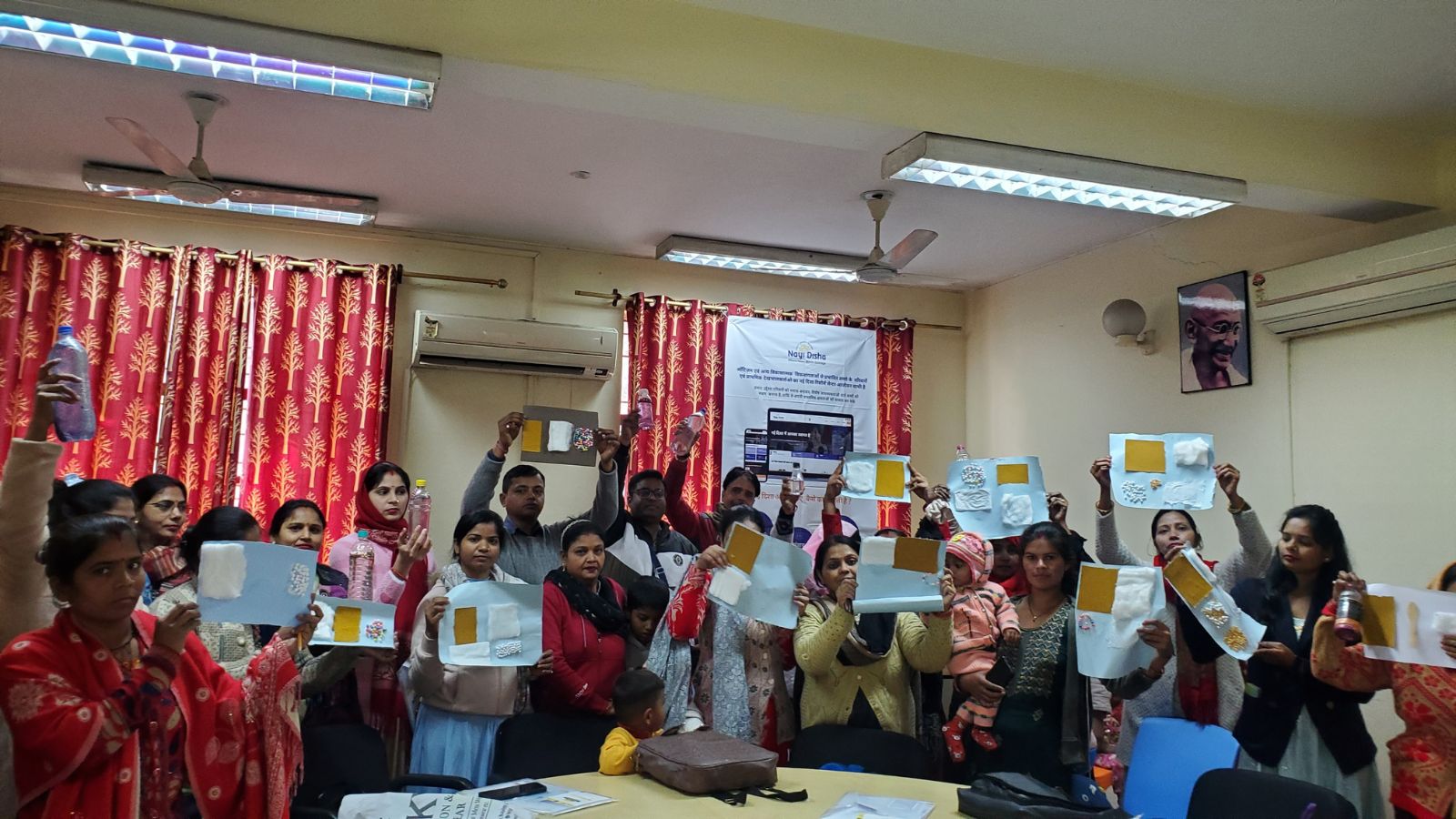
Answer) As the lifelong partner for families, Nayi Disha meets them at various stages of their children’s development. While parents of young children often reach us feeling overwhelmed after a diagnosis, unsure where to begin with therapies, how to find right support, or schools, parents of older children seek assistance with rights and benefits, behaviour, planning for adulthood and employment. Our role is to simplify their journey by providing them verified information and expert guidance through our digital and in-person services like Sakhi helpline and our website that hosts resources and a national services directory. We also assist them by developing skills and confidence to take better care of their child by training programmes like Saksham. Most importantly we help them connect with a larger peer support system to learn from other families and find solidarity through Saathiyan Support Groups.
Also Read: Diagnosed With Autism at 2.5, Thriving at 22: Milan Singh Shares Son Samar’s Journey
Q) Nayi Disha has built a community for families—what is the biggest change you have seen in parents after they find this support, especially in how they see their child’s future?
Answer) The biggest change we see in them is moving from fear to possibility by finding a support system that ‘gets’ them and knowing that they are not alone anymore. Almost daily, we watch parents transition from grieving “why my child is not like others” to confidently advocating for their child’s rights and inclusion and celebrating progress on their own terms. They stop chasing comparisons, and start making informed decisions about a child’s development, education and future. They feel confident about their own rock solid support for their child. That shift alone changes everything else. The fear of “what happens after me” turns into active planning building skills, savings, and a support system for the child. Hope replaces helplessness, and parents start seeing a future for their child and a world where they attain their true potential.
Interestingly, many families go on extending similar support to other caregivers by including them in the community, sharing their own lived experience and letting them know they are not alone in the journey.